
Planting
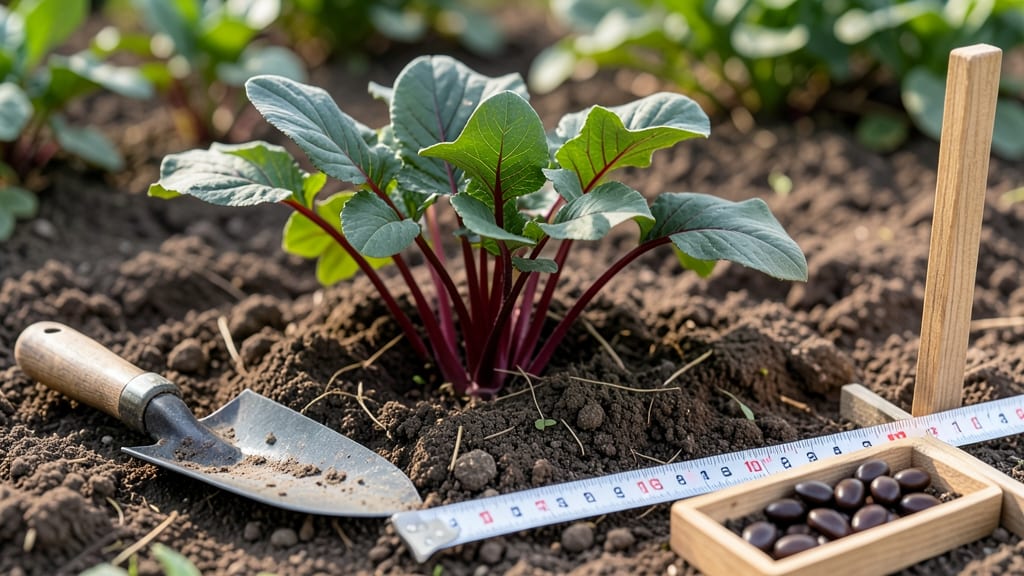
How far apart should beetroot be planted? The golden rule is 3–4 inches apart for sweet, plump roots—but get it wrong, and you’re left with stunted, bitter harvests.
Struggling to grow plump, sweet beetroot? The secret might be hiding in your planting spacing—get it wrong, and you’re sacrificing yield, flavor, and even disease resistance.
Most gardeners overlook how variety, soil, and even beet shape (round vs. long) change the ideal spacing. Too close, and roots fight for space; too far, and you waste garden real estate.
Here’s the science-backed spacing guide to transform your beetroot harvest, from beginner-friendly tips to advanced techniques for maximum yield.
Optimal beetroot planting spacing by variety and growth type
Getting your beetroot spacing right isn’t just about fitting more plants in—it’s about growing plump, disease-resistant roots with maximum flavor. Different varieties have unique needs, and crowding them too closely can lead to stunted growth or forked roots.
Whether you’re growing round Detroit Dark Red or cylindrical Chicago Lights, precise spacing ensures healthy foliage and robust roots.
Most gardeners make the mistake of treating all beet varieties the same, but spacing requirements vary by type. Baby beets, for example, need tighter spacing than their full-sized counterparts.
Meanwhile, row spacing and in-row spacing work together to prevent competition for nutrients and sunlight, which directly impacts your yield per square foot.
Here’s the breakdown you need to avoid overcrowding and maximize your harvest:
For round beet varieties, maintaining 3-4 inches between plants in the row allows roots to swell without competing. If you’re growing Detroit Dark Red, space rows 12-18 inches apart to give foliage room to spread while keeping the soil loose for root development.
This spacing also reduces disease pressure by improving airflow around leaves.
Cylindrical beets like Chicago Lights demand more elbow room—4-6 inches apart in rows and 18-24 inches between rows. Their elongated roots need horizontal space to grow straight and avoid forking, which happens when roots bump into neighbors.
In containers, limit to one seed per 5-gallon pot to prevent overcrowding, even if it means fewer plants overall.
Baby beets are the exception to the rule. Since they’re harvested young, you can plant them 2-3 inches apart in rows spaced 6-12 inches apart. This tight spacing works because you’ll harvest them before they fully mature, but it’s a game-changer for quick succession planting in small gardens.
For containers, sow 3-4 seeds per 5-gallon pot and thin to the strongest seedlings.
If you’re growing beets in containers or raised beds, adjust spacing based on pot size. A 5-gallon container can comfortably hold one full-sized beetroot or 2-3 baby beets, but larger pots (10+ gallons) let you squeeze in 2-3 full-sized plants.
Always amend container soil with compost or aged manure to compensate for limited root space.
Proper spacing isn’t just about fitting more plants—it’s about preventing disease and maximizing root quality. Overcrowded beets develop leaf spot fungus faster because moisture lingers on crowded foliage. Meanwhile, under-spaced plants compete for nutrients, leading to small, woody roots with poor flavor.
Aim for 4-6 beets per square foot in your garden beds for optimal yield and health.
For high-yield gardens, consider staggered planting every 2 weeks. This keeps your harvest continuous while ensuring you’re not overcrowding the soil at any one time. Pair beets with companion plants like radishes or lettuce, which mature faster and can be harvested before beets need the space.
This interplanting strategy boosts your yield per square foot without sacrificing root quality.
Remember, beetroots are shallow-rooted, so loose, well-draining soil is just as critical as spacing. Work in 2-3 inches of compost before planting to encourage strong root development. With the right spacing, you’ll harvest sweet, plump beets all season long—no more shriveled or forked roots! 🌱
Common spacing mistakes that stunt beetroot growth (and how to fix them)
Beetroot thrives when given the right space to grow, but many gardeners unknowingly crowd their plants, leading to stunted roots and poor yields. The most common mistake? Planting seeds too close together—often just 1 inch apart—without accounting for how much they’ll expand.
Even when thinning, some leave seedlings too close, forcing them to compete for nutrients and sunlight.
Another frequent error is ignoring the soil type when spacing. Clay-heavy soils slow root expansion, while sandy soils dry out faster. Without adjusting spacing, your beetroot may struggle to reach its full potential. Let’s fix these issues with science-backed solutions that boost both quantity and quality.
⚠️ callout warning
⚠️ Critical Spacing Rule for Beetroot
How far apart should beetroot be planted? Thin seedlings to 3-4 inches apart in rows spaced 12-18 inches apart. Baby beet varieties can tolerate 2-3 inches apart, but larger types (like Detroit Dark Red) need full spacing. Crowding beyond this leads to forked roots and bitter flavor.
🌱 Pro Tip: Use a ruler or spacing tool to mark rows—eyeballing often results in uneven gaps.
Overcrowding isn’t the only spacing sin. Many gardeners plant rows in straight lines without staggering, creating "gaps" where weeds thrive and sunlight gets blocked. Staggering rows by 6-12 inches improves airflow and maximizes space efficiency.
For example, in a 4-foot-wide bed, plant two staggered rows with 18-inch spacing between them.
Ignoring companion planting is another missed opportunity. Pairing beetroot with onions or garlic deters pests like leaf miners, while lettuce or radishes use the same space early in the season.
This "interplanting" strategy lets you grow 3x more beetroot per square foot without sacrificing root size. Just ensure companions have similar water needs to avoid competition.
Uneven distribution—like clustering seeds in one spot—creates "hot spots" where roots compete aggressively. To fix this, use a seed tape or precision seeder to space seeds evenly. If starting from scratch, scatter seeds thinly and mark rows with toothpicks or string before thinning. This ensures consistent growth and easier harvesting.
Finally, soil compaction from foot traffic or heavy tools can restrict root expansion, even with perfect spacing. After planting, gently loosen soil around seedlings with a hand fork and mulch with straw or grass clippings to maintain loose, aerated conditions. This simple step can increase root size by 20-30%.