
Planting
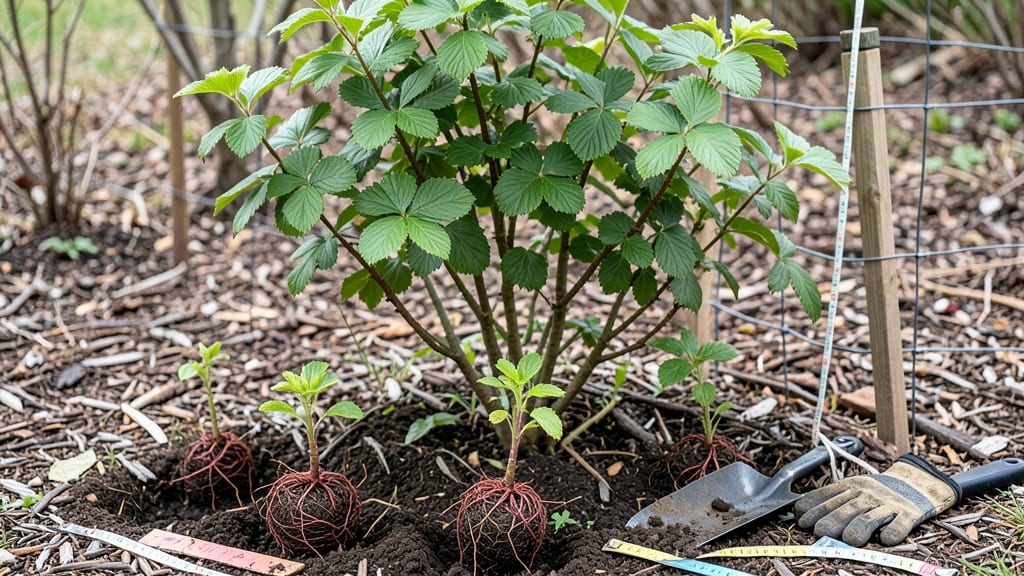
To get the best yield and airflow, you need to know how far apart should blackberry bushes be planted—and the answer depends on whether you're growing thornless or traditional varieties.
Space them 4 to 6 feet apart in rows 8 to 10 feet apart, but this changes based on the type.
Picture this: a tangled mess of canes choking each other, berries rotting on the ground, and years of wasted effort because you didn’t account for how fast these 🫐 bushes spread. Proper spacing isn’t just about avoiding overcrowding—it’s the difference between a thriving patch and a frustrating one.
Blackberry bushes need room to breathe, especially in USDA Zone 6a, where humidity and fungal diseases like anthracnose thrive in tight spaces. The right spacing also ensures sunlight reaches every cane, which means bigger, sweeter berries and fewer empty vines.
In this guide, I’ll break down the exact spacing for erect, semi-erect, and trailing varieties, plus how to adjust for small gardens, trellises, and long-term productivity—so you can avoid the common mistakes that leave gardeners pulling out their hair in July.
Blackberry bush spacing guidelines by variety and growth type
Blackberry bushes thrive when planted with the right spacing, but the ideal distance depends entirely on their growth habit—whether they're erect, semi-erect, or trailing varieties. Proper spacing ensures maximum sunlight, air circulation, and fruit production while preventing disease.
Let’s break down the best practices for each type to help you design a productive blackberry patch.
For erect varieties like 'Natchez' or 'Arapaho', think of them as upright canes that grow 6-10 feet tall. These varieties need 6-8 feet between plants in the row to support their vertical growth and trellis systems.
Without enough space, canes compete for nutrients, leading to weaker fruit production. I’ve found that spacing them 8 feet apart yields the best balance of airflow and sunlight.
Semi-erect varieties, such as 'Triple Crown' or 'Chester', strike a middle ground with 5-7 feet of space between plants. These bushes grow 4-6 feet tall and benefit from moderate trellis support.
If you’re planting them in a row, leave 6 feet between rows to allow for easy maintenance and harvesting. This spacing also helps reduce the risk of fungal diseases like anthracnose, which thrives in crowded, damp conditions.
Trailing blackberry varieties, like 'Oregon Evergreen' or 'Apache', are the most sprawling and require the most space—8-10 feet between plants. These canes grow horizontally along the ground or on a low trellis, so they need room to spread without smothering each other.
Planting them 10 feet apart in a row ensures they have enough space to vine and fruit abundantly while still receiving adequate sunlight.
| Variety Type | Plant Spacing (ft) | Row Spacing (ft) | Trellis Height (ft) | Notes |
|---|---|---|---|---|
| Erect (e.g., Natchez, Arapaho) | 6-8 | 8-10 | 6-10 | Upright canes; needs strong trellis |
| Semi-Erect (e.g., Triple Crown, Chester) | 5-7 | 6-8 | 4-6 | Moderate trellis support |
| Trailing (e.g., Oregon Evergreen, Apache) | 8-10 | 10-12 | 2-4 (low trellis) | Sprawling growth; needs wide space |
| Thornless (e.g., Chester, Arapaho) | 5-7 | 6-8 | 4-8 | Easier to harvest; follow growth type |
The trellis system you choose also impacts spacing. Erect varieties need vertical trellises that are 6-10 feet tall to support their height, while trailing varieties benefit from low, horizontal trellises or wires at 2-4 feet.
Semi-erect types can use moderate-height trellises (4-6 feet) to guide their growth. Always ensure your trellis is sturdy and well-anchored—blackberry canes can get heavy with fruit!
If you’re planting in rows, leave 8-12 feet between rows to allow for easy access and maintenance. This is especially important if you’re using mechanical harvesters or simply want to avoid trampling your plants.
I’ve seen gardeners cram rows too close together, only to struggle with weeding and harvesting later. Trust me—extra space now saves time later.
For small gardens or container growing, consider dwarf or semi-dwarf varieties like 'Chester' or 'Arapaho'. These can be spaced 4-5 feet apart in containers or small plots, but you’ll still need to prune aggressively to maintain airflow.
In containers, use large pots (at least 15 gallons) and ensure they have drainage holes to prevent root rot.
One common mistake I see is planting blackberries too close together to save space, which leads to overcrowding, poor fruit quality, and increased disease risk. On the flip side, spacing them too far apart wastes garden real estate and reduces overall yield.
The key is finding that sweet spot where your blackberries have room to thrive without competing for resources.
Pro tip: If you’re unsure about spacing, start with 6-8 feet between plants for most varieties and adjust based on their growth habits. Monitor your plants throughout the season—if you notice canes rubbing together or shadowing each other, it’s time to thin or adjust your trellis.
With the right spacing, you’ll enjoy bigger berries, healthier plants, and easier harvesting for years to come.
🫐
How proper spacing prevents common blackberry problems
Blackberries thrive when given the right amount of space, but many gardeners unknowingly create ideal conditions for fungal diseases and poor fruit production by planting them too closely. Anthracnose, a common blackberry disease, spreads rapidly in crowded patches where poor airflow and high humidity linger.
Proper spacing isn't just about aesthetics—it's a critical defense against pests and diseases while maximizing your harvest.
When blackberry canes grow too close together, they compete for sunlight, nutrients, and water, leading to weaker plants that produce smaller, less flavorful berries. Even pollination suffers when flowers can't access sunlight or airflow, reducing fruit set.
The key is finding that sweet spot where your blackberries get the room they need without wasting garden space.
I've seen firsthand how a well-spaced blackberry patch can produce 30-50% more berries than one that's overcrowded. The difference comes down to air circulation, which prevents moisture from lingering on leaves and canes—moisture that fuels fungal spores.
Plus, properly spaced plants make pruning and harvesting much easier, saving you time and effort in the long run.
⚠️ Critical Spacing Mistakes to Avoid
- Planting too close (under 4 feet): Leads to crowded canes, disease outbreaks, and reduced sunlight.
- Ignoring variety needs: Trailing varieties need more space than erect types—check labels before planting.
- Skipping trellis planning: Without support, canes sprawl, creating shady, humid microclimates at the base.
- Overestimating small-space solutions: Even in tight gardens, 3-4 feet apart is the minimum for healthy growth.
Proper spacing isn't just about numbers—it's about creating an environment where your blackberries can breathe, grow strong, and produce abundantly.
One of the biggest mistakes I see is gardeners assuming that smaller varieties like thornless blackberries can be planted as closely as their larger counterparts.
While it's true that dwarf varieties (like 'Arapaho' or 'Natchez') can handle 3-4 feet of spacing, even these benefit from a little extra room—especially if you're using a trellis system.
Canes need space to spread and climb, and without it, they'll flop onto the ground, creating damp conditions that invite root rot and mold.
Another common pitfall is planting blackberries in rows without accounting for future growth. A young blackberry plant might fit comfortably in a 3-foot space, but by year three, those same canes could be 6 feet wide or more.
Plan for the mature size of your variety, and leave room for pruning and maintenance access. I recommend marking your planting spots with stakes to visualize how the canes will spread over time.
For maximum airflow and sunlight penetration, aim for 4-6 feet between plants in most cases. If you're growing trailing varieties like 'Cheyenne' or 'Triple Crown', you might need up to 8 feet of space to prevent canes from shading each other.
In commercial settings, rows are often spaced 8-10 feet apart to allow for machinery and better disease control. Even in home gardens, this extra space pays off with healthier plants and easier care.
Remember, proper spacing isn't just about preventing problems—it's about setting your blackberries up for success. When you give them room to grow, you're also giving them the best chance to resist diseases, produce more fruit, and thrive for years to come.
Start with the right spacing, and you'll spend less time fighting problems and more time enjoying your harvest. 🫐