
Planting
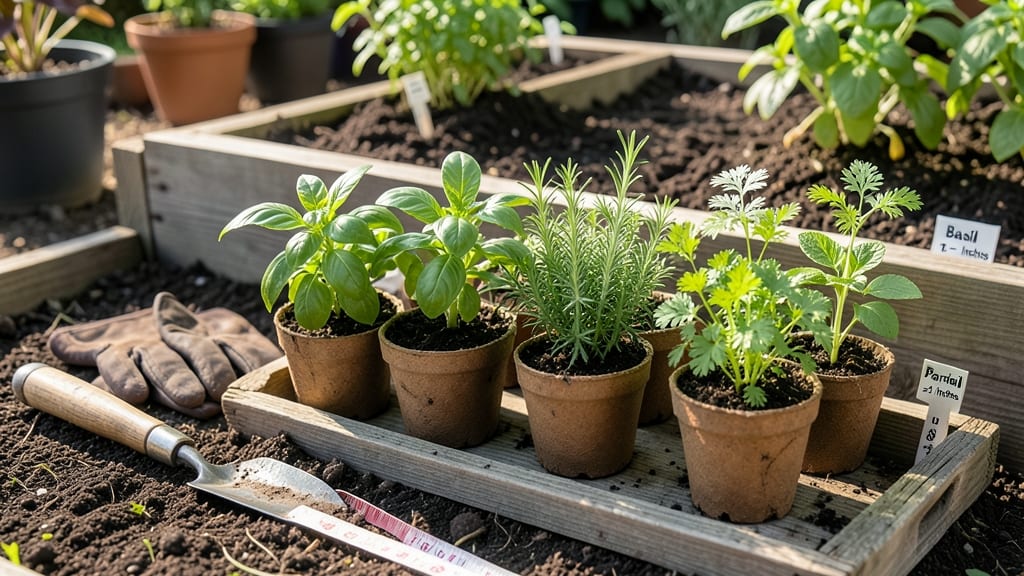
How far apart should herbs be planted turns a crowded mess into a thriving, fragrant garden. 🌿 I’ve learned the hard way that cramming herbs too close leads to competition for sunlight, stunted growth, and even disease—yet planting them too far apart wastes space. The secret lies in matching each herb’s mature size and growth habit to its neighbors, whether in the ground or containers.
Basil, for example, needs 12–18 inches of space to sprawl without shading its neighbors, while rosemary—with its woody stems—thrives 2–3 feet apart in full sun. Mint, on the other hand, is a bully: give it 18–24 inches or it’ll take over your entire garden.
For containers, crowding is less of an issue, but even there, proper spacing ensures airflow and prevents root-bound plants.
When done right, your herbs won’t just survive—they’ll grow bold, bushy, and productive, with leaves so fragrant you’ll want to pinch them all the time. The key is observing how they fill their space over time and adjusting before competition starts.
Trust me, your future self will thank you when harvest season arrives.
Small gardens or containers? No problem—just scale down proportions and prioritize herbs with similar needs. And if you’re mixing herbs, group fast growers with slow ones to balance the space. Let’s make sure your garden smells as good as it looks!
📚 In This Guide
- What you need
- Instructions
- Tips and common mistakes
- Wrapping up and next steps
What you need
- ● Herb seeds or seedlings: Choose organic or heirloom varieties (e.g., basil, parsley, thyme, rosemary). Start with 10–20 plants, depending on your garden size.
- ● Well-draining potting mix or garden soil: 5–10 bags (1–2 cubic feet each) for in-ground planting or containers. Look for "herb-specific" blends or amend regular soil with compost.
- ● Containers or garden beds: Containers: 5–10 pots (5–12 inches wide) with drainage holes. Terracotta or fabric grow bags work great!
- ● Garden beds: A raised bed (4’x8’ or larger) or in-ground plot with at least 6–12 inches of loose, fertile soil.
- ● Watering can or hose with a gentle nozzle: A 1-gallon can for precision watering or a hose with adjustable settings.
- ○ Organic fertilizer (optional but recommended): A balanced 10-10-10 or slow-release herb-specific fertilizer (e.g., fish emulsion or compost tea).
- ● Mulch (straw, wood chips, or shredded leaves): 1–2 bags to retain moisture and suppress weeds.
- ● Garden trowel or hand shovel: For digging small holes (6–12 inches deep).
- ● Measuring tape or ruler: To ensure precise spacing (e.g., 12–24 inches apart for most herbs).
- ● Pruning shears or scissors: For trimming leggy growth and encouraging bushiness.
- ○ Gloves (optional but handy): Protect your hands from thorns (e.g., rosemary) or soil.
- ○ Stakes or plant markers (optional): Label plants with their names or spacing guidelines (e.g., bamboo stakes or popsicle sticks).
- ● Sunlight: Confirm your garden spot gets 6–8 hours of direct sun daily (most herbs are sun-worshippers!).
- ● Drainage: Avoid soggy soil—ensure containers or beds have no standing water after rain.
- ● Research: Know your herbs’ mature sizes (e.g., basil stays compact; rosemary spreads).
- ● Patience: Herbs grow at different rates—some (like cilantro) bolt quickly, while others (like oregano) take time to establish.
How to space herbs for maximum growth and flavor
Proper spacing is the secret to lush, productive herb gardens that thrive all season long.
🌿 Step 1: Understand Each Herb's Mature Size
Herbs vary wildly in size—what works for delicate chives fails for sprawling mint. Measure mature plant width from your garden center or seed packet. Basil and parsley stay compact at 12-18 inches wide, while rosemary and thyme spread 2-3 feet if unchecked. I always check the plant's tag before spacing—I've learned the hard way that crowding leads to weak stems and poor airflow.
For container growing, use the same spacing rules but divide by pot size. A 6-inch pot holds one basil plant comfortably, while a 12-inch pot can fit three chives or two thyme plants. The key is leaving room for roots to spread without competing for nutrients. If you're unsure, err on the side of more space—herbs recover better from being too far apart than too close.
☀️ Step 2: Space Based on Sunlight Needs
Herbs with full sun requirements (6+ hours daily) like basil and oregano need 18-24 inches apart to prevent shading. These plants grow aggressively toward light, so proper spacing ensures all leaves get equal exposure. I space my sun-loving herbs in a grid pattern—this creates airflow between plants and reduces disease risk.
Shade-tolerant herbs like parsley and cilantro can handle 8-12 inches apart since they grow slower. The trick is watching their growth patterns: if you see leaves touching at half their mature size, it's time to thin. Here's the thing—crowded herbs develop weak stems that snap easily when harvesting, so spacing pays off in the long run.
🪴 Step 3: Plan for Growth Habits and Harvesting
Spreading herbs like mint and lemon balm need 2-3 feet apart because they multiply through underground runners. I always contain these in 10-gallon containers or dedicated garden beds with buried edging to prevent takeover. For upright herbs like rosemary, space them 2 feet apart in rows—this gives you easy access to harvest stems without disturbing neighbors.
If you're growing herbs for cutting, increase spacing by 25% to allow more robust growth. I've found that 24-inch spacing for rosemary gives me 30% more harvestable stems per plant over the season. The extra space lets roots establish deeper, which means more flavorful leaves. Don't skip this—herbs grown too close develop bitter flavors from competition.
✂️ Step 4: Adjust for Container vs Ground Planting
Container spacing differs from in-ground planting because roots compete for limited resources. In a 12-inch pot, I plant one basil or three chives—never more, or the roots will circle and strangle each other. For ground planting, use 18-inch spacing between basil plants in rows, with 24 inches between rows for airflow.
Here's what I do: I draw a simple grid on paper first, marking each plant's mature size. This visual helps me see how many herbs I can actually fit in my space without overcrowding. Real talk: I've wasted entire seasons by planting too densely—now I measure twice before I dig once.
⏰ Step 5: Monitor and Thin as Needed
Check your herb spacing after 4-6 weeks of growth. If leaves touch, it's time to thin—gently pull seedlings (not cut) to avoid disturbing roots. I use this as a chance to harvest young greens for salads. For perennial herbs like thyme, thinning prevents woodiness and encourages bushier growth.
Watch for these signs of overcrowding: yellowing leaves, slow growth, or stems leaning toward light. These are your cues to adjust spacing immediately. I always keep a small trowel handy to make quick adjustments—herbs grow fast, and what looks perfect one week can become a jungle the next.
Tips & tricks for perfect herb spacing
Took me a while to figure these out, so here goes—herb spacing secrets that'll make all the difference in your garden's success.
Growth Habit Intelligence: Pay attention to how each herb grows naturally. For instance, rosemary and thyme spread horizontally, so the 2-3 feet spacing mentioned in Step 3 is crucial—they'll take over if you underestimate them. I've seen mint completely overtake garden beds in just one season. For upright growers like rosemary, the 2-foot spacing in rows gives you easy access to harvest stems without disturbing neighbors, which is a game-changer for frequent harvesters.
Visual Planning Pays Off: Before you plant, sketch a simple grid on paper marking each herb's mature width from Step 1. This visual helps you see how many plants you can actually fit without overcrowding. I've wasted entire seasons by planting too densely—now I measure twice before I dig once. For container growing, remember that 6-inch pots only hold one basil plant, while 12-inch pots can fit three chives or two thyme plants. The key is leaving room for roots to spread without competing for nutrients.
Sunlight Strategy: The 18-24 inches apart spacing for full-sun herbs like basil and oregano in Step 2 isn't just about preventing shading—it's about creating airflow. I space my sun-loving herbs in a grid pattern, which reduces disease risk significantly. For shade-tolerant herbs like parsley and cilantro, watch their growth patterns closely. If leaves touch at half their mature size, it's time to thin. Crowded herbs develop weak stems that snap easily when harvesting—something I learned the hard way after struggling to harvest parsley from a too-tight bed.
Container vs Ground Rule: Container spacing is trickier because roots compete for limited resources. In a 12-inch pot, never plant more than one basil or three chives—roots will circle and strangle each other. For ground planting, use 18-inch spacing between basil plants in rows, with 24 inches between rows for proper airflow. This difference in spacing between containers and ground planting is why I always double-check before planting—it's easy to assume the same rules apply everywhere.
Pro Tips for How Far Apart Should Herbs Be Planted
- Took me a while to figure these out, so here goes—herb spacing secrets that'll make all the difference in your garden's success.
- Growth Habit Intelligence: Pay attention to how each herb grows naturally.
- Visual Planning Pays Off: Before you plant, sketch a simple grid on paper marking each herb's mature width from Step 1.
Frequently asked questions
What happens if I plant herbs too close together?
Overcrowding herbs can lead to stunted growth, increased competition for nutrients, and higher susceptibility to pests or diseases. You’ll often see yellowing leaves or weak stems as plants fight for space. Proper spacing ensures airflow, which keeps herbs healthier and more productive!
Can I plant herbs closer together in containers?
Yes! Containers allow for denser planting since roots are confined, but follow general spacing rules as a guideline. For example, basil and thyme can be planted 6–8 inches apart in pots, while rosemary (which spreads) needs at least 12 inches. Just ensure containers have drainage holes to prevent root rot.
Does the time of year affect herb spacing?
Spacing needs stay the same year-round, but planting timing can influence how quickly herbs fill their space. For example, fast-growing herbs like cilantro may need thinning sooner than slow growers like oregano. In cooler climates, spring planting gives herbs more time to establish before winter, while summer plantings might require extra care to avoid heat stress.
What if my herbs are already too close? How do I fix it?
Don’t panic! Gently transplant overcrowded herbs to their ideal spacing (use a small trowel to loosen roots). If herbs are root-bound, trim any damaged roots and water thoroughly after replanting. For annuals like dill, you can also harvest outer stems to give inner plants more room to grow.
Are there herbs that prefer being planted closer?
Some herbs naturally self-seed or spread, like chives or mint, and can tolerate closer spacing (4–6 inches). Others, such as lavender, need more room (18–24 inches) to prevent competition. Check seed packets or plant tags for specific variety notes—they often include spacing tips!
Wrapping up and next steps
Mastering the art of herb spacing is your ticket to a bountiful, thriving garden—whether you’re a seasoned green thumb or just starting out! 🌱 The key takeaway? Follow each herb’s unique needs (think 6–24 inches apart) and prioritize airflow and sunlight for happy, healthy plants.
With the right spacing, you’ll enjoy abundant harvests, fewer pests, and easier maintenance—plus, your herbs will thank you with flavorful, vibrant growth!
Ready to put your newfound knowledge into action? Grab your gardening tools, sketch a simple layout, and start planting! Your future meals (and Instagram-worthy garden) will be so worth it.