
Planting
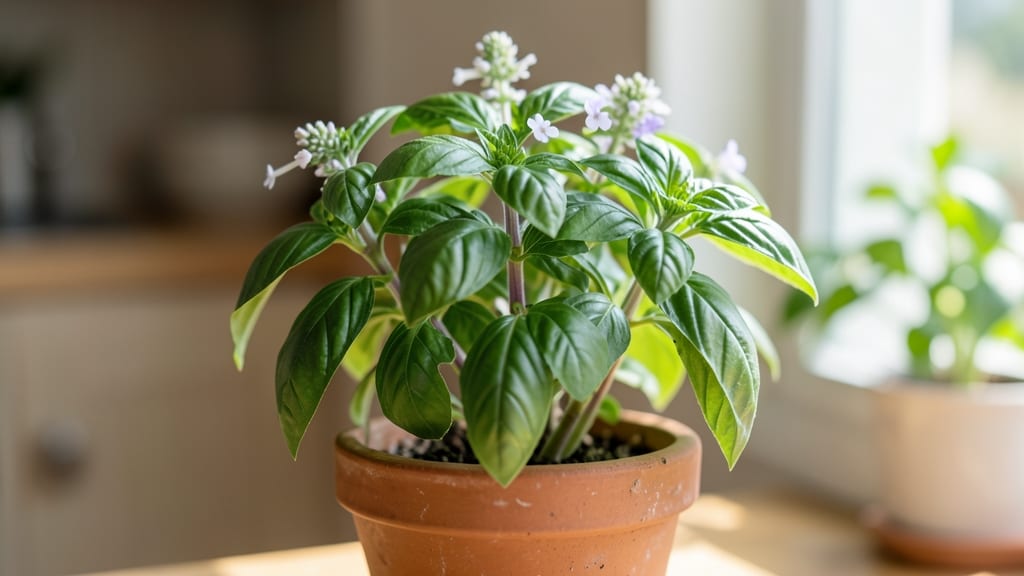
A single basil plant in a 4-inch pot can give you fresh leaves all year long—no greenhouse needed. 🌱 I’ve grown basil this way for three winters, and the secret isn’t fancy setups but matching its needs to your space.
Most people overwater or underlight it, but with the right balance, you’ll have vibrant green leaves ready for cooking whenever you want.
The trick starts with bright light—a south-facing window or a grow light for 6+ hours daily—and well-draining soil mixed with perlite. Water only when the top inch feels dry, and pinch off flowers to keep energy in leaves.
My plant stayed productive for 8 months straight last year, even in December.
You’ll harvest tender leaves in just 3-4 weeks, and the plant keeps growing back if you prune it right. The smell alone makes it worth it—nothing beats fresh basil in pesto or pasta. Plus, it repels pests like mosquitoes, so it’s a double win.
Works for kitchens, windowsills, or even under desk lamps. Here’s how to keep yours thriving year-round without the usual winter struggles.
📚 In This Guide
- What you need
- Instructions
- Tips and common mistakes
- Wrapping up and next steps
What you need
- ● Basil plant: 1 healthy seedling (genovese, sweet, or Thai basil work well). Look for compact varieties for small pots.
- ● 4-inch pot: 1 drainage hole required (terracotta or plastic with a saucer).
- ● Potting mix: 1 bag (6-8 quarts) of high-quality seed-starting mix or well-draining potting soil (avoid garden soil—it compacts!).
- ○ Drainage material (optional but recommended): Small pebbles, perlite, or hydroponic clay balls (½ cup) for the pot’s bottom layer.
- ● Trowel or small shovel: 1 for transplanting.
- ● Watering can or spray bottle: 1 with a fine rose nozzle (to avoid disturbing soil).
- ● Fertilizer: 1 bottle of balanced liquid fertilizer (5-5-5 or 10-10-10, diluted to half-strength).
- ● Pruning shears or clean scissors: 1 pair for harvesting.
- ● Sunlight spot: A south-facing window, grow light, or balcony with 6+ hours of direct sunlight daily.
- ● Grow light: 1 LED bulb (if natural light is insufficient).
- ● Mulch or compost tea: To retain moisture and boost nutrients.
- ● Support stake (tiny): For varieties that may flop as they grow.
- ● Humidity tray: A shallow tray with pebbles and water to increase air moisture.
How to grow a single basil plant in a 4-Inch pot
Here's how to keep one thriving basil plant producing fresh leaves all year—no garden needed.
🌱 Step 1: Choose the Right Container and Soil
Start with a 4-inch pot that has drainage holes—basil roots need oxygen, not soggy feet. I like terracotta because it breathes and wicks away excess moisture. Fill it halfway with high-quality potting mix (never garden soil—it compacts and suffocates roots). Add a handful of perlite or coarse sand to improve drainage.
Moisten the mix with warm water until it feels like a damp sponge—squeeze it gently, and it should hold together but not drip. This prevents waterlogged soil, which turns basil leaves yellow and mushy. A well-draining mix is your first line of defense against root rot.
🌿 Step 2: Plant Your Basil and Water Gently
Dig a small hole in the center of the pot—just deep enough to bury the plant up to its first set of true leaves (the second pair after the initial seed leaves). Gently tease the roots apart if they’re circling the root ball, and place the plant in the hole. Fill around it with the remaining potting mix, pressing lightly to remove air pockets.
Water immediately after planting, but don’t drown it. Pour water slowly until it drains out the bottom holes, then let the pot sit for 10-15 minutes before placing it in its sunny spot. Overwatering at this stage is the fastest way to kill your basil—wait until the top inch of soil feels dry before watering again.
☀️ Step 3: Position for Maximum Sunlight
Basil craves 6-8 hours of direct sunlight daily—a south-facing windowsill or a grow light setup works perfectly. If you’re using natural light, rotate the pot a quarter turn every few days so the plant grows straight instead of leaning toward the window. You’ll notice leaves growing unevenly if it’s always facing the same direction.
Keep the pot in a spot where temperatures stay between 65-75°F. Basil wilts in heat above 85°F and stops growing below 55°F. If your home runs cooler, supplement with a grow light for 12-14 hours a day to keep it happy year-round.
💧 Step 4: Water and Fertilize for Continuous Growth
Water your basil when the top inch of soil feels dry—stick your finger in the pot to check. Water deeply until it drains from the bottom, then empty the saucer to prevent root rot. Basil in small pots dries out faster, so check daily during hot weather. Underwatering causes leaves to curl and turn crispy at the edges.
Feed your plant every 4-6 weeks with a balanced liquid fertilizer (like 10-10-10) diluted to half strength. I mix it into the watering can and apply it when the soil is slightly dry. Over-fertilizing burns roots, so less is more—especially in small pots where nutrients build up quickly.
✂️ Step 5: Prune for Bushier Growth and Harvest
Pinch off the top set of leaves when the plant reaches 6 inches tall to encourage branching. This simple step turns a leggy stem into a full, bushy plant. Keep pruning regularly by snipping just above a leaf node (where leaves meet the stem) whenever you harvest. You’ll see new growth sprout within 3-5 days—that’s your plant’s way of saying, “More leaves, please!”
Harvest leaves in the morning after the dew has dried but before the heat of the day. Use clean scissors or your fingers to pluck leaves from the top or sides, leaving at least half the plant intact. Regular harvesting keeps basil productive and prevents it from flowering, which makes leaves bitter. With this method, you’ll get continuous harvests for months.
Tips & tricks for perfect year-round basil growth
Getting the most from your single basil plant means paying attention to details that keep it thriving in small spaces. Here's what I've learned after watching countless basil plants thrive—and just as many struggle.
Soil Preparation Secret: Before planting, mix a handful of worm castings into your potting soil for extra nutrients. I add about a tablespoon to the mix in Step 1—this gives your basil a nutrient boost right from the start and helps prevent yellowing leaves. The castings also improve soil structure, which is especially important in small pots where drainage is critical.
Sunlight Strategy: If your windowsill doesn't get the required 6-8 hours of sunlight, supplement with a grow light placed 6-12 inches above the plant. I use a simple LED grow light on a timer for 12-14 hours daily—this mimics natural daylight and prevents leggy growth. The key is consistency: basil needs reliable light to produce flavorful leaves.
Watering Wisdom: The top inch dry rule from Step 4 is golden, but here's the trick: water at the base of the plant rather than from above. This prevents water from sitting on leaves, which can cause fungal issues. I also recommend using room-temperature water—cold water can shock the roots, especially in small pots where temperature fluctuations happen quickly.
Pruning Payoff: When you reach Step 5 and pinch those top leaves, save the cuttings! Place them in a glass of water on a sunny windowsill, and you'll have baby basil plants in about 2 weeks. This is my favorite way to propagate new plants—it's free and ensures you always have fresh basil on hand. Just make sure to change the water every few days to prevent bacteria buildup.
Pro Tips for Single Basil Plant
- Getting the most from your single basil plant means paying attention to details that keep it thriving in small spaces.
- Soil Preparation Secret: Before planting, mix a handful of worm castings into your potting soil for extra nutrients.
- Sunlight Strategy: If your windowsill doesn't get the required 6-8 hours of sunlight, supplement with a grow light placed 6-12 inches above the plant.
Frequently asked questions
Got questions about growing a single basil plant in small spaces? You’re not alone! Here are answers to the most common queries to help you keep your basil thriving—even in a tiny 4-inch pot.
Can I grow basil in a 4-inch pot for more than one season?
Yes! With proper care, a single basil plant can thrive in a 4-inch pot for multiple seasons. Just repot it every 6–12 months to refresh the soil and prevent root-bound stress. Prune regularly to encourage bushier growth, and keep it indoors during winter if your climate dips below 50°F (10°C).
How often should I water a single basil plant in a small pot?
Check the soil daily—basil in small pots dries out fast. Water when the top inch feels dry, but avoid soggy soil (which causes root rot). In hot weather, you might water twice daily, while cooler months may only need once. A saucer under the pot helps catch excess water, but empty it after 10 minutes to prevent stagnation.
What’s the best way to revive a leggy or sparse single basil plant?
Leggy or sparse basil usually needs a pruning boost! Snip the top leaves just above a pair of lower leaves to encourage branching. Place the cutting in water for a few days to propagate a new plant. For indoor growth, move your pot to a sunny windowsill (6+ hours of light) or use a grow light. Overcrowded pots? Thin out stems to improve airflow.
Can I substitute basil in recipes if my single plant isn’t producing enough?
While nothing beats fresh basil, try these swaps:
- Thyme or oregano: Adds earthy depth to tomato-based dishes.
- Cilantro: Works well in salsas or soups (but avoid in pesto—it’s bitter!).
- Dried basil: Use 1/3 the amount of fresh basil in recipes.
- Spinach or parsley: Great for garnishes or mild flavor in salads.
How do I overwinter a single basil plant indoors?
Move your basil indoors before the first frost (aim for temps above 50°F/10°C). Place it near a south-facing window or under a grow light for 12+ hours daily. Reduce watering (let soil dry slightly between waterings) and prune to manage size. If leaves yellow, it may need more light or less water—adjust gradually!
Wrapping up and next steps
Growing a single basil plant in a 4-inch pot isn’t just possible—it’s a rewarding way to enjoy fresh herbs year-round! With the right care, you’ll harvest lush leaves for months, even in small spaces.
Whether you’re a beginner or a seasoned gardener, this method proves that big flavors come in tiny pots.
Ready to take the next step? Start by planting your basil today—and soon, you’ll be savoring homegrown goodness in every dish! 🌱