
Planting
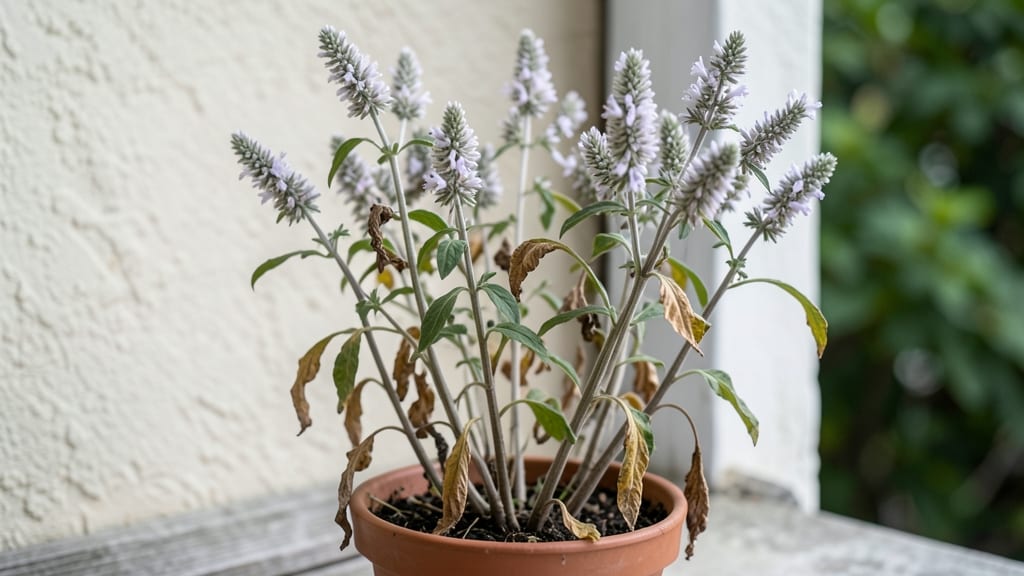
When your basil plant has gone to seed before its time, the first thing you want is to save those precious leaves before they turn bitter. 🌱 I’ve watched my own basil bolt twice—once from heat stress, once from neglect—and both times, I managed to coax it back into leaf production with a few key tricks.
The good news? Even a seed-bound basil isn’t dead; it just needs the right approach to reset its growth cycle.
Basil bolts (or flowers) for two main reasons: stress from heat or drought, or simply reaching its natural life cycle. But here’s the secret—you can often prune it back aggressively and restart leaf growth, even if it’s already flowering.
The trick is cutting just above a leaf node (where leaves meet the stem) to encourage new shoots. For indoor plants, this means moving them to cooler spots or adjusting light exposure, while outdoor plants might need shade cloth or afternoon shade.
What you’ll end up with is a bushier, more productive basil plant—sometimes even better than before. Within 2-3 weeks, you’ll see fresh, tender leaves regrowing from the base, and the flowers can even be saved for seeds if you’re growing heirloom varieties.
The key is acting fast and giving your plant the right conditions to recover.
This works for both potted basil and in-ground plants, though container-grown basil often recovers faster. If your plant is truly exhausted, you can still propagate new stems in water to grow fresh plants. Let’s bring that basil back to life!
📚 In This Guide
- What you need
- Instructions
- Tips and common mistakes
- Wrapping up and next steps
What you need
- ● Basil stems: 4–6 healthy, non-woody stems (4–6 inches long), cut just below a leaf node (where leaves grow). Pro tip: Avoid stems with flowers or seeds—focus on fresh, leafy growth!
- ● Containers: Small pots or cups (3–4 inches wide) – 2–3 containers (one per stem or a few stems per pot).
- ○ Glass jars or water bottles (optional, for water propagation).
- ● Potting mix: Well-draining, seedling-friendly mix (e.g., 50% peat/coir + 50% perlite or vermiculite). 💡 Avoid garden soil—it’s too dense!
- ○ Rooting hormone (optional but helpful): A small bottle (4–8 oz) to boost root growth.
- ● Pruning shears or clean scissors: Sharp tools to make clean cuts and avoid damaging stems.
- ● Spray bottle: For gentle watering (avoids disturbing delicate roots).
- ● Plastic wrap or humidity dome: A clear bag or DIY cover to retain moisture (e.g., a cut-off plastic bottle).
- ● Sunlight access: A bright windowsill (south-facing) or grow lights (12–16 hours/day).
- ● Fertilizer: A diluted liquid seaweed or fish emulsion (1:10 ratio) to nourish new growth after roots form.
- ● Label markers: To track varieties (e.g., Genovese, Thai, or Purple basil).
- ● Humidity tray: A shallow tray with pebbles and water to increase ambient moisture.
- ● Grow lights: LED or fluorescent lights if natural light is limited (12–16 inches above plants).
How to revive and regrow basil from seed stems
Here's the simple method I use to rescue basil gone to seed—no fancy tools needed, just a few supplies and a little patience.
🌱 Step 1: Harvest the Seed Stems
Wait until the basil plant has fully bolted—you'll see tall, woody stems with flower buds forming. Use clean, sharp scissors to cut 4-6 inch sections from the base of the plant, just below the first set of leaves. Avoid cutting through flower buds, as they won't regrow.
I like to harvest on a dry morning so the stems stay sturdy. Place the cuttings in a glass of room-temperature water immediately to prevent wilting. You'll notice the stems begin to soften within an hour—that's the first sign they're ready to root.
💧 Step 2: Encourage Root Growth
Change the water every 2-3 days to keep it fresh and prevent bacterial growth. Place the glass in a spot with bright, indirect light—a kitchen windowsill works perfectly. You'll see tiny white roots forming at the stem base within 7-10 days.
If the water gets cloudy before roots appear, dump it and rinse the stems under cool water. This keeps the stems healthy and ready to root. I've had cuttings take up to 2 weeks to root, especially in cooler conditions—don't rush it.
☀️ Step 3: Plant the Rooted Stems
Once roots reach 1-2 inches long, transfer the cuttings to 4-inch pots filled with fresh potting mix. Gently press the soil around the stems to secure them, leaving the leaves above the soil line. Water lightly to settle the mix without disturbing the roots.
Place the pots in a warm spot with 4-6 hours of sunlight daily. You'll notice new leaves emerging within 2-3 weeks—that's your signal the plant is reviving. Keep the soil lightly moist but never soggy to encourage healthy regrowth.
✂️ Step 4: Maintain and Harvest
Once the new growth reaches 3-4 inches tall, pinch off the top set of leaves to encourage bushier growth. This prevents the plant from bolting again and keeps it productive. I harvest leaves regularly to promote continuous growth—just snip what you need and leave at least half the plant intact.
Fertilize lightly every 4-6 weeks with a balanced liquid fertilizer. You'll know it's working when the leaves stay vibrant green and new growth appears quickly after harvesting. With proper care, your revived basil will produce fresh leaves for months.
Tips & tricks for reviving basil plants gone to seed
Here's what nobody tells you about bringing back your basil—these are the details that make all the difference between success and disappointment.
Timing Secret: That first hour after cutting is critical. Place your stems in water immediately after harvesting, even if you're not ready to start the process. The longer they sit out of water, the faster they'll wilt and lose their ability to root. I've seen stems that sat just 10 minutes too long fail to root completely—don't make that mistake.
Lighting Strategy: Bright, indirect light is non-negotiable during the rooting phase. A south-facing window gets too intense, while north-facing windows might not provide enough. I've had best success with east-facing windows—morning sun is gentle but strong enough to support growth. If you don't have good window light, a simple grow light on a timer works wonders.
Root Growth Rescue: If your water gets cloudy before roots appear, don't just dump it and reuse the same glass—this can introduce bacteria. Rinse the stems thoroughly under cool water, then transfer them to fresh, clean water. I've revived stems that looked hopeless by doing this simple step. The key is keeping everything clean while maintaining that room-temperature water requirement.
Transplanting Tip: When transferring your rooted stems to soil, handle them like delicate glass—gentle pressure is everything. Press the soil firmly around the stems to eliminate air pockets, but don't compact it too much. I like to use my fingers to create small holes in the soil before inserting the stems, which helps them establish roots more quickly in the new environment.
Pro Tips for Basil Plant Gone To Seed
- Here's what nobody tells you about bringing back your basil—these are the details that make all the difference between success and disappointment.
- Timing Secret: That first hour after cutting is critical.
- Lighting Strategy: Bright, indirect light is non-negotiable during the rooting phase.
Frequently asked questions
Got questions about your basil plant gone to seed? You’re not alone!
Whether you’re wondering how to save it, why it happened, or how to prevent it next time, we’ve got the answers. Here’s what you need to know:
Why did my basil plant go to seed so fast?
Basil bolts (goes to seed) quickly due to stress—like heat, drought, or overcrowding. It’s also a natural response to flowering, triggered by long daylight hours or age. If your plant was leggy or stressed, bolting helps it reproduce. Pro tip: Keep plants healthy with consistent water and shade in peak summer to delay flowering.
Can I still harvest basil after it goes to seed?
Yes! While the leaves may taste bitter, you can still harvest them—just avoid the flower stems. Cut back the seed stalks to encourage new growth. For the best flavor, focus on younger leaves near the base. Once seeds form, the plant’s energy shifts, so expect reduced yield.
How do I revive a seeded basil plant?
Trim the flower stalks and any yellow leaves to redirect energy. Water deeply but avoid soggy soil. If the plant is woody or sparse, propagate from cuttings instead. Place cuttings in water or moist soil, and keep them in bright, indirect light until roots form.
Is seeded basil still good for cooking?
Seeded basil loses some of its sweet, aromatic flavor as it matures, but it’s not ruined! Use it sparingly in dishes like pesto (where bitterness blends well) or as a garnish. For fresh basil flavor, regrow from cuttings or start new plants from seed.
How can I prevent my basil from bolting next time?
Start with healthy plants, space them 12–18 inches apart, and water consistently. Use shade cloth in hot climates, and pinch off flowers as they form. Choose slow-bolting varieties like Genovese or Spicy Globe for longer harvests. Succession planting every 2–3 weeks keeps fresh basil on hand!
Wrapping up and next steps
Don’t let a basil plant gone to seed feel like the end of your herb garden! With the right care—whether pruning, propagating, or even saving seeds—you can breathe new life into your plants.
Even if it’s past its prime, these methods ensure your basil keeps thriving, saving you time and money.
Ready to green-thumb it? Grab those stems and start growing! Try one of the techniques above today—your kitchen (and taste buds) will thank you. 🌱✨