
Planting
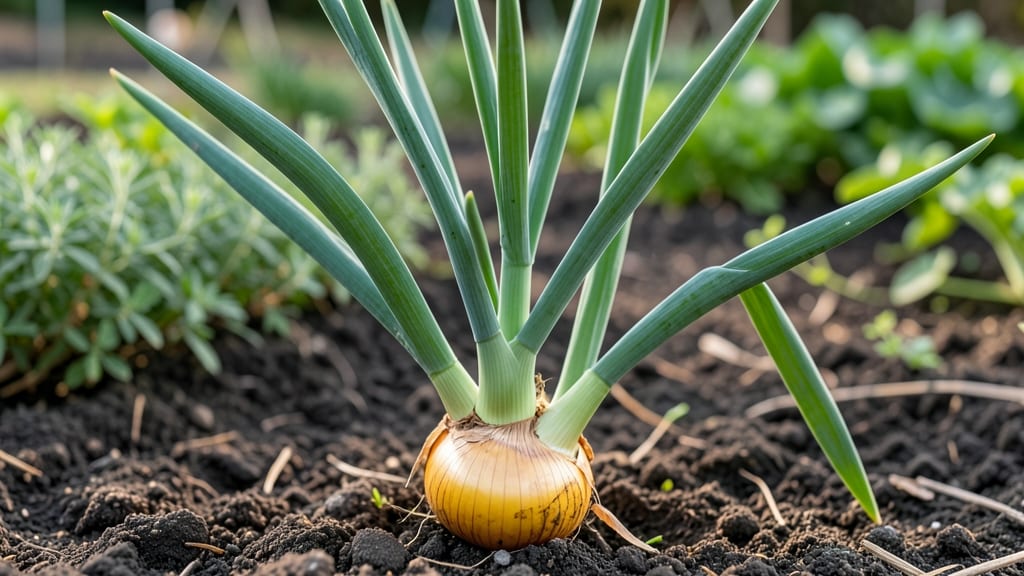
Growing yellow onions 🧅 from seed to harvest takes about 100 to 120 days, though green onions can be ready in as little as 60 days—and getting the timing right makes all the difference between a bountiful harvest and waiting months for bulbs that never quite form.
If you’ve ever planted yellow onions only to watch them linger in the soil for what feels like forever, you’re not alone. The key to success lies in understanding the growth stages, soil conditions, and even the type of onion you’re cultivating—because not all varieties mature at the same pace.
In this guide, we’ll break down the full timeline, from seed germination to bulb formation, and share the most important tips to speed up growth without sacrificing quality.
Whether you’re starting with seeds or sets, you’ll learn how to optimize your planting schedule for a harvest that arrives right when you need it.
From ideal spacing to recognizing when onions are truly ready, you’ll discover how to turn those 100 days into a predictable, rewarding process—no more guesswork, just homegrown flavor.


Yellow onion growth stages: seed vs transplant timeline breakdown
Growing yellow onions from seed or transplant is a rewarding process that unfolds in predictable stages, but timing can vary based on your climate and growing conditions.
Whether you're starting with tiny seeds or planting mature sets, understanding the week-by-week growth timeline helps you anticipate milestones like leaf emergence, root development, and bulb formation. Most yellow onion varieties reach maturity in 100-120 days, but this can stretch to 150 days in cooler climates.
From the moment you plant, your onions go through distinct phases: germination, leaf growth, bulb initiation, and finally, bulb maturation. Each stage requires specific care to ensure healthy development. For example, seedlings need consistent moisture during germination, while mature bulbs benefit from reduced watering to toughen their skins.
Let’s break down what to expect each week and how to optimize growth at every turn.
When growing from seed, the first 2 weeks are all about creating the right conditions for germination. Yellow onion seeds need consistent soil temperatures between 50-70°F and moisture without waterlogging. If your soil is too cold, germination can take 3-4 weeks instead of the usual 7-14 days.
Pro tip: Use a seedling heat mat if your spring soil is still chilly—this can cut germination time in half.
By week 3-4, you’ll see the first true leaves emerge, signaling that your seedlings are thriving. This is the perfect time to thin seedlings to 2-3 inches apart, giving each plant room to grow.
If you’re starting with transplants (sets), they’ll already be 1-2 inches tall and ready to be planted directly into the garden. The key difference here is that transplants skip the germination phase entirely, saving you 4-6 weeks of waiting.
Between weeks 5-8, your onions will focus on leaf growth, with each new leaf indicating a stronger root system below ground. This is when you should increase spacing to 4-6 inches to prevent competition. Watch for signs of onion thrips or aphids, which love young onion foliage.
A quick spray of neem oil can keep pests at bay without harming your plants. During this phase, you’ll also notice the base of the plant thickening—this is the bulb beginning to form.
At week 9-12, the real magic happens as the bulb starts to swell. This is when you’ll need to adjust your watering strategy. Too much water now can lead to soft, rot-prone bulbs, while too little can stunt growth.
Aim for 1 inch of water per week, delivered directly to the soil. If your onions are growing in hot, dry conditions, consider using drip irrigation
Factors that speed up or delay yellow onion maturity
Yellow onions typically take 100–120 days to mature, but this timeline can shift dramatically based on your growing conditions.
As someone who’s planted hundreds of onion sets over the years, I’ve learned that climate, soil health, and even variety selection play starring roles in determining when you’ll pull those golden bulbs from the ground. Understanding these factors lets you accelerate growth or adjust expectations when delays happen.
One of the biggest surprises for new gardeners is how daylight hours affect maturity. Yellow onions are classified as either short-day or long-day varieties, and planting the wrong type in your region can add weeks to your harvest timeline.
For example, a short-day onion grown in a long-day climate may never form a proper bulb, leaving you with skinny, pungent green onions instead of plump storage bulbs.
Short-day varieties (e.g., Texas Early White) need 10–12 hours of daylight to bulb. Long-day types (e.g., Yellowstone) require 14+ hours. Planting the wrong type in your zone can delay maturity by 30–50 days.
Onions thrive in 50–85°F soil. Cold soil (below 45°F) slows root growth by 20–30%, while heat (above 90°F) stresses plants, reducing bulb size. Use black plastic mulch in spring to warm soil faster.
Inconsistent watering causes uneven bulb development. Drought stress during bulb formation (60–90 days after planting) can shrink yields by 40%. Aim for 1–1.5 inches of water weekly, but reduce to ½ inch in the final 2 weeks before harvest.
Excess nitrogen (N) promotes leafy growth but delays bulb maturation. Use a balanced 10-10-10 fertilizer early, then switch to low-nitrogen (5-10-10) when tops start yellowing to encourage bulb swelling.
Overcrowded onions compete for nutrients, slowing growth by 15–25 days. Space sets 4–6 inches apart in rows 12–18 inches apart. Thinning seedlings to 2 inches apart gives roots room to expand.
Let’s talk about soil temperature, which is often overlooked but critical. Onions are cool-season crops that struggle in hot, compacted soil. In my Zone 6a garden, I’ve seen maturity dates stretch from 100 days to over 140 days when spring planting happens in cold, wet soil.
To speed things up, I pre-warm the soil by covering beds with black plastic 2–3 weeks before planting. This simple trick can shave 10–14 days off your timeline.
Another game-changer is watering strategy. Most gardeners overwater early in the season, thinking onions need lots of moisture. But during the bulb-forming stage (around 60 days after planting), you’ll want to reduce water slightly to trigger bulb swelling.
I once had a batch of onions take 3 weeks longer to mature because I kept watering heavily right up until harvest. The bulbs stayed small and watery—definitely not ideal for storage!
For those in long-day climates (like the Pacific Northwest or New England), choosing the right onion variety is non-negotiable. Long-day onions like Candy or Sweet Sandwich need those extra daylight hours to form bulbs.
If you plant a short-day variety, you’ll end up with small, pungent bulbs—or no bulbs at all. Always check seed packets for day-length requirements and match them to your growing zone.
Finally, don’t underestimate the power of early-season fertilization. A light application of compost or balanced fertilizer at planting gives onions the nutrients they need to establish strong roots quickly.
I’ve found that adding aged manure or worm castings to the planting hole can cut 7–10 days off the early growth phase. Just avoid heavy nitrogen later in the season—it’ll keep your onions leafy but delay bulb development.