
Planting
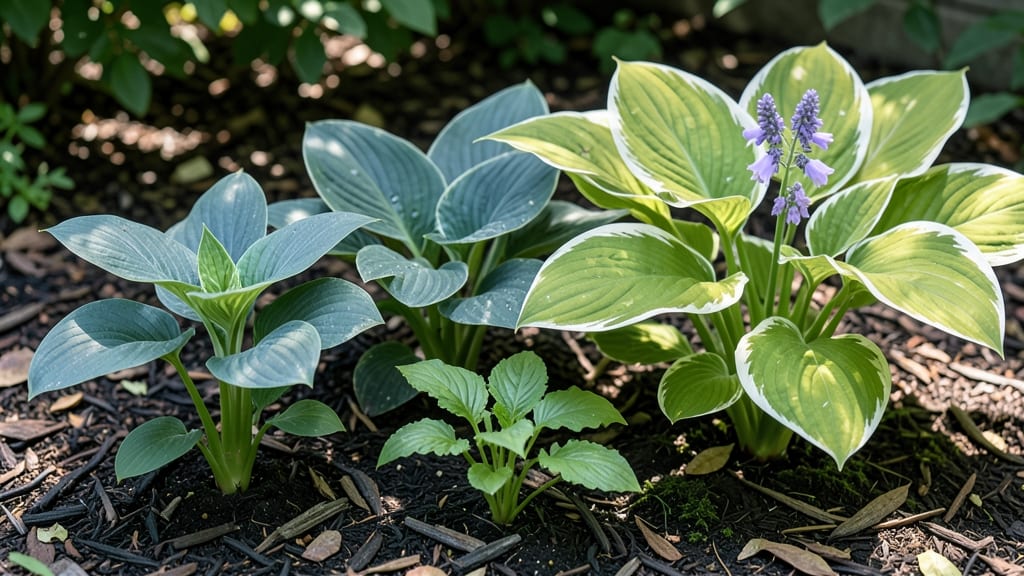
Growing hostas from seed to full size takes 3 to 5 years—a slower process than many gardeners expect, but one that rewards patience with stunning foliage.
If you’ve ever planted hostas hoping for instant lush foliage, you’ve likely been disappointed—these prized perennials take patience. But understanding their growth timeline can help you plan your garden for maximum impact.
The journey begins with tiny seeds that may take 2 to 4 weeks to germinate, depending on temperature and soil conditions. By year two, you’ll see noticeable growth, but true maturity—when hostas reach their full height and spread—typically happens in years three to five.
In this guide, we’ll break down each stage of hosta growth, share tips to speed up development, and explain how sunlight, soil, and care influence their timeline. Ready to transform your garden with these shade-loving stars?


Hosta growth timeline: from seed to mature plant in stages
Hostas are the patient gardener’s dream plant—known for their stunning foliage and low-maintenance nature, but they demand time to reach their full glory. From the first seed germination to a mature clump of lush leaves, hostas typically take 3-5 years to fully establish.
Understanding each growth stage helps you set realistic expectations and provide the right care at the right time.
Growing hostas from seed is a slower process than planting established divisions, but it’s incredibly rewarding. Seed germination usually takes 2-4 weeks under ideal conditions, while seedling growth in the first year is minimal.
Most gardeners prefer starting with smaller divisions or nursery plants, which jumpstart the timeline by 1-2 years.
Here’s what to expect at each stage of hosta growth, including how climate and care influence the timeline:
| Stage | Growth Timeline | Key Actions | Climate Impact |
|---|---|---|---|
| Seed Germination | 2-4 weeks | Keep soil moist, maintain 60-70°F temps | Warmer climates germinate faster; cooler zones may take longer |
| First Year (Seedling) | 6-12 inches tall | Provide partial shade, mulch to retain moisture | Slow growth in USDA Zones 3-5 due to shorter growing seasons |
| Year 2 (Establishment) | 1-2 feet tall, spreading roots | Light fertilization in spring, divide if overcrowded | Faster growth in Zones 6-9 with consistent moisture |
| Year 3 (Maturing) | 2-3 feet tall, dense foliage | Apply balanced fertilizer, monitor for pests | Drought stress slows growth; mulch helps retain moisture |
| Full Maturity (Years 4-5+) | 3-4 feet tall, clumping spread | Divide every 3-5 years, remove old leaves | Warmer climates reach maturity faster; cooler zones may take longer |
The first year after planting is all about root development. Your hosta may only produce a few small leaves, but its roots are working hard underground to establish a strong foundation.
In USDA Zone 6a, where many gardeners grow hostas, the first frost in October can slow growth, so focus on protecting young plants with a thick layer of mulch.
By year two, you’ll notice more vigorous growth as the plant puts energy into both foliage and roots.
This is when hostas begin to resemble their mature form, though their leaves may still be smaller. Partial shade is critical during this stage—too much sun can scorch delicate leaves, while too little light may reduce variegation in patterned varieties.
Full maturity typically occurs by year three or four, depending on the variety and growing conditions. Standard-sized hostas like 'Blue Angel' can reach 3-4 feet tall with a 2-3 foot spread, while dwarf varieties like 'Pandora' stay compact at just 6-12 inches.
The key to faster maturity is consistent care: well-draining soil, regular watering, and annual division every 3-5 years to prevent overcrowding.
Climate plays a huge role in how quickly hostas grow. In warmer southern climates (Zones 7-9), hostas can mature faster due to longer growing seasons, while those in cooler northern zones (Zones 3-5) may take an extra year or two.
For example, a hosta planted in Zone 8 might reach full size in 3 years, whereas the same variety in Zone 4 could take 5 years.
One common question is when hostas will bloom. Most hostas produce flowers on 2-3 foot stalks in late summer, but this isn’t a sign of maturity—even young plants may flower. The real indicator of a mature hosta is its leaf size and clump density.
A fully mature plant will have large, healthy leaves and a thick crown that’s ready for division.
To speed up the process, consider these growth-boosting tips: Start with nursery-grown divisions instead of seeds, plant in well-amended soil, and avoid overwatering, which can lead to root rot.
With the right conditions, you can see noticeable growth each year, making the wait for those stunning hosta leaves a little more exciting.
🌿
How fast do hostas grow? Factors that speed up or slow down maturity
Hostas are the patient gardener’s dream plants—lush, low-maintenance, and stunning—but their growth speed depends entirely on your care routine. While most hostas take 3-5 years to reach full maturity, some varieties like 'Blue Angel' can mature faster with ideal conditions, while others like 'Francee' may take longer.
The key lies in understanding which factors control their pace.
From sunlight exposure to soil nutrition, every element plays a role. Even watering habits can either accelerate growth or leave your hostas struggling. Let’s break down the critical factors that determine how quickly your hostas will establish and flourish in your garden.
🌱 5 Key Factors That Control Hosta Growth Speed
- 1 Sunlight Exposure: Hostas thrive in partial shade (3-6 hours/day). Too much sun scorches leaves, while deep shade slows growth. Morning sun is ideal.
- 2 Soil Quality: Rich, moist but well-draining soil with organic matter speeds growth. Amend clay soil with compost to prevent root rot.
- 3 Watering Habits: Consistent moisture is critical—water deeply 1-2x weekly (more in summer). Avoid soggy soil, which causes fungal diseases.
- 4 Fertilization: Feed with balanced fertilizer (5-10-10) in early spring and after flowering. Over-fertilizing burns roots and slows growth.
- 5 Division Method: Dividing hostas every 3-4 years rejuvenates growth. Smaller divisions establish faster than large clumps, which can take years to fill out.
One of the biggest misconceptions is that hostas grow quickly—many gardeners expect year-one blooms or full-size foliage, but reality is far more gradual. In their first year, hostas focus on root development, producing only a few small leaves.
By year two, you’ll see noticeable growth, but full maturity (when they reach their mature size) typically takes 3-5 years.
For example, 'Halcyon', a popular variety, may reach 12-18 inches tall in its second year but won’t fully spread until year four or five. Meanwhile, 'Guacamole', a faster grower, can hit 2 feet tall by year three with proper care.
The difference? Sunlight and soil nutrients—both of which we can control.
If you’re eager to see faster results, focus on dividing established clumps every few years. Smaller divisions establish roots quicker and fill out their new space within 1-2 seasons.
Pair this with regular mulching (2-3 inches of organic mulch) to retain moisture and suppress weeds, which reduces stress on young plants. With these adjustments, you could see 20-30% faster growth compared to neglected hostas.
Remember, hostas reward patience with decades of lush foliage. While they may not deliver instant gratification, the right conditions turn them into the showstopping perennials every garden deserves. Start with the basics—partial shade, rich soil, and consistent water—and watch your hostas thrive year after year. 🌿