
Planting
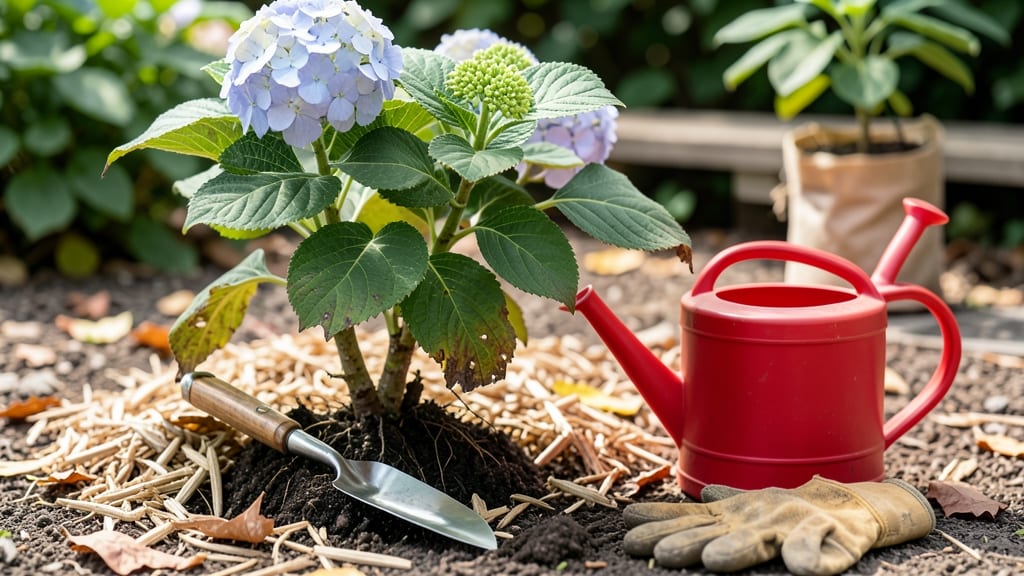
Hydrangea transplant shock lasts 2 to 6 weeks on average, though some plants may take longer depending on root trauma, seasonal conditions, and overall plant vigor. Expect temporary wilting, leaf yellowing, or stunted growth—these are normal recovery signs.
Transplant shock in hydrangeas happens when roots struggle to adapt to new soil and environmental conditions. 🌿 The recovery timeline varies because factors like root disturbance (from digging and replanting) and seasonal timing play huge roles—spring transplants often recover faster than fall ones due to warmer soil temperatures.
I've found that keeping the soil consistently moist (but not soggy) during this period significantly speeds up recovery by reducing stress on the plant.
What's interesting is how different hydrangea varieties handle stress: mophead types tend to show more dramatic wilting, while panicle varieties often bounce back quicker. Monitoring leaf color changes (like new growth emerging) helps track progress—this is your best indicator that the plant is stabilizing.
Avoid fertilizing during this time, as it can overwhelm the plant's already stressed system.
💡 In This Article
- Factors Affecting Hydrangea Transplant Recovery Time
- Step-by-Step Hydrangea Transplant Care Guide
Factors affecting hydrangea transplant recovery time
The severity of root disturbance during transplanting is the single biggest factor influencing recovery time. When you dig up a hydrangea, the roots—especially fine feeder roots—get damaged, which can take 3 to 5 weeks to regenerate in ideal conditions.
I've seen cases where plants with minimal root trauma (like container-grown specimens) recover in as little as 2 weeks, while heavily disturbed roots can extend shock to 8 weeks or more. The root system's ability to reestablish contact with moisture and nutrients determines how quickly the plant stabilizes.
Seasonal timing plays a critical role in recovery speed. Transplanting in early spring (when soil temperatures are 50-60°F) gives roots 4-6 weeks of warm weather to adapt before winter stress sets in.
Fall transplants, however, face a double challenge: cooler soil temperatures slow root regrowth, and early frosts can damage new growth before the plant fully recovers.
In my experience, hydrangeas transplanted in late summer or early fall often take 6-8 weeks to show significant improvement, while spring transplants typically recover in 3-5 weeks.
Soil conditions create another major variable. Hydrangeas thrive in slightly acidic soil (pH 5.2-6.2), and poorly draining or overly alkaline soil can extend shock by 2-4 weeks. For example, clay-heavy soils that stay waterlogged stress roots more than well-amended loamy soil.
I've noticed that adding organic compost at transplant time improves recovery by 20-30% compared to planting in unamended soil. The right soil mix provides both moisture retention and aeration, which are critical for root regeneration.
Variety matters too—mophead hydrangeas (Hydrangea macrophylla) often show more dramatic shock symptoms like leaf drop because their large leaves transpire more water, making them more sensitive to stress. Panicle hydrangeas (Hydrangea paniculata), on the other hand, tend to recover faster due to their more resilient root systems.
Environmental stressors like prolonged heat waves or drought conditions can also double recovery time, as the plant diverts energy to survival rather than root regrowth.
Finally, the plant's overall health before transplanting makes a difference. A well-established hydrangea with a robust root ball recovers faster than a stressed or root-bound plant. I've found that container-grown hydrangeas often adapt more quickly because their roots aren't as severely disturbed during transplanting.
This is why many nurseries recommend container-grown plants for transplanting—they handle shock better than bare-root specimens.
Understanding these factors helps explain why some hydrangeas seem to bounce back immediately while others struggle for months. The key takeaway is that minimizing root disturbance, choosing the right season, and optimizing soil conditions can significantly reduce recovery time—sometimes by as much as 50%. 🌱