
Planting
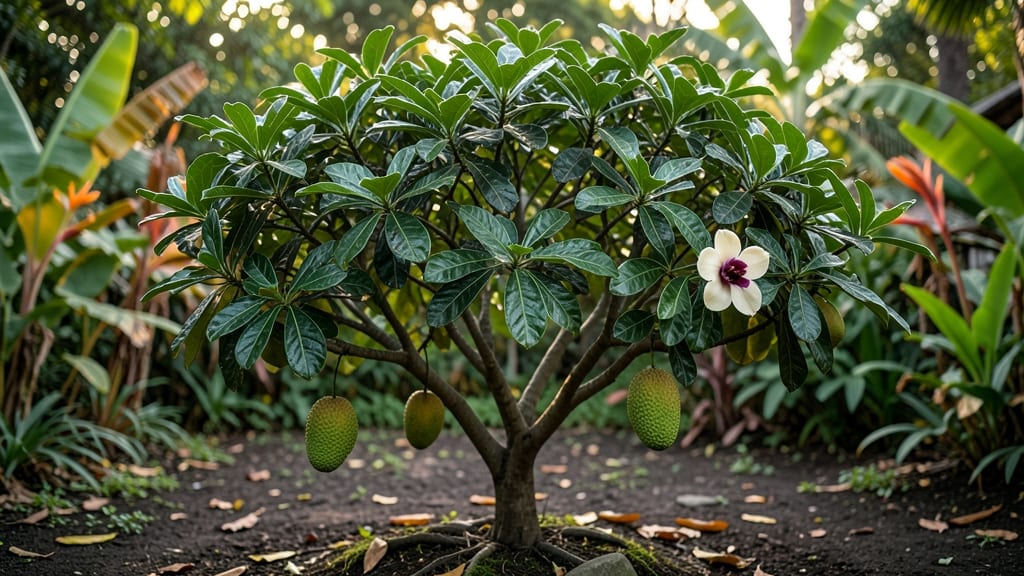
Growing a sugar apple 🍈 from seed to fruit-bearing maturity takes 3 to 5 years, but with the right care, you can cut months off that timeline—and avoid common pitfalls that leave trees struggling.
If you’ve ever dreamed of harvesting sweet, fragrant sugar apples from your own backyard, understanding the growth timeline is your first step to success—because these tropical trees take patience, not just space.
From the first sprout in 4-8 weeks to the first flower in 1-2 years, each stage depends on soil, sunlight, and temperature. In USDA Zone 6a, planting in spring (March–April) gives young trees the best shot at thriving before winter.
Here’s what to expect month by month, plus the key adjustments that help sugar apples fruit faster—so you’re not waiting five years for your first harvest.


Sugar apple growth timeline: month-by-month development from seed to fruit
Growing a sugar apple tree from seed to fruiting maturity is a rewarding but patient journey that typically takes 3 to 5 years. Each stage—from germination to flowering—requires specific care to ensure healthy development.
Understanding this month-by-month timeline helps you track progress and anticipate key milestones, like when your tree will finally produce those sweet, custard-like fruits.
Sugar apples (Annona squamosa) thrive in warm climates but can be grown in containers in cooler regions. The first 2 years focus on root and branch establishment, while years 3-5 bring flowering and fruiting.
With proper care, you can accelerate this process slightly, but patience is key—these trees aren’t fast growers like annuals.
| Stage | Duration | Key Milestones | Care Tips |
|---|---|---|---|
| Germination | 2-4 weeks | Seeds sprout; first leaves appear | Keep soil warm (75-85°F) and moist; use a heat mat if needed |
| Seedling | 3-6 months | 1-2 ft tall; true leaves develop | Transplant to 5-gallon pot with well-draining soil; provide bright indirect light |
| Sapling (Year 1) | 12 months | Reaches 3-5 ft; woody stem forms | Move to 10-gallon pot or ground; fertilize with balanced NPK (6-6-6) every 6 weeks |
| Juvenile (Year 2) | 12 months | Grows to 6-10 ft; first signs of buds | Prune to encourage branching; protect from frost (below 32°F) |
| Flowering (Year 3) | 6-12 months | White/purple flowers appear; first fruit sets | Hand-pollinate flowers with a soft brush; reduce watering slightly |
| Fruiting (Years 3-5+) | Ongoing | Fruits ripen 4-6 months after flowering; harvest when fragrant | Thin fruits to 6-8 per branch for larger size; mulch to retain moisture |
In the first 2 months, your sugar apple seeds will germinate if kept in warm, humid conditions. Use a seedling heat mat to maintain soil temperatures between 75-85°F, and cover the tray with plastic wrap to retain moisture.
Once sprouts emerge, thin them to the strongest 2-3 seedlings per pot to avoid competition.
By month 6, your saplings will reach 1-2 feet tall and develop their first true leaves. This is the ideal time to transplant them into 5-gallon containers filled with a mix of potting soil and compost.
Place them in a location with bright, indirect sunlight to prevent leaf scorch, especially if you’re growing them indoors near a south-facing window.
During year 1, your sugar apple will grow rapidly, reaching 3-5 feet tall if given proper care. Focus on balanced fertilization (like a 6-6-6 NPK mix) every 6 weeks to encourage strong root and branch development.
If growing in containers, upgrade to a 10-gallon pot by late summer to accommodate root growth.
By year 2, your tree will mature into a 6-10 foot sapling with a woody stem. This is when you’ll notice the first buds forming along the branches.
Prune lightly to remove dead or crossing branches, and protect young trees from frost damage by moving containers indoors or wrapping the trunk with burlap.
The big milestone arrives in year 3 when your sugar apple finally flows. White or pale purple flowers will appear, followed by the first fruit set. Hand-pollinate flowers with a soft paintbrush to increase fruit production, especially if you’re growing in a low-pollinator area.
Reduce watering slightly during this stage to prevent fruit rot.
Once fruits appear, they’ll take 4-6 months to ripen. Harvest when the skin turns yellowish-green and emits a sweet, tropical fragrance. Remember, sugar apples won’t bear fruit heavily until years 4-5, so be patient! Thin fruits to 6-8 per branch to
Factors that speed up or delay sugar apple growth (and how to optimize them)
Your sugar apple tree (Annona squamosa) thrives under the right conditions, but small changes in care can dramatically shift its growth timeline.
In ideal conditions, these tropical trees bear fruit in 3-5 years, but poor soil, inconsistent watering, or insufficient sunlight can stretch that timeline to 7+ years. The good news? With targeted adjustments, you can accelerate fruiting by 1-2 years—or prevent costly delays entirely.
Climate plays the biggest role in sugar apple growth speed. These trees originate in tropical regions where temperatures stay between 70-90°F year-round. If you're gardening in USDA Zone 9-11, your tree will grow fastest with minimal stress.
Gardeners in Zones 8 or cooler must protect their trees from frost and provide winter mulching to maintain steady growth. Even a single late frost can set your tree back 6-12 months by damaging new growth.
Soil quality directly impacts root development, which is the foundation for faster fruiting. Sugar apples demand well-draining, slightly acidic soil (pH 6.0-6.5). Heavy clay soils or compacted ground can suffocate roots, slowing growth by 30-50%.
Amend your soil with compost and perlite before planting, and top-dress annually with aged manure or worm castings. I’ve seen sugar apple saplings in amended soil reach 3 feet in their first year, compared to just 1 foot in unamended native soil.
Growth Speed Factors: What Works (And What Doesn’t)
✅ Speed Up Growth
- Full sun exposure (6+ hours daily)
- Consistent watering (deep soak weekly)
- Rich, well-draining soil (pH 6.0-6.5)
- Balanced fertilizer (6-6-6 NPK, spring/summer)
- Protect from frost (mulch in cooler zones)
❌ Slow Down Growth
- Partial shade (delays flowering by 1-2 years)
- Overwatering (root rot stunts growth)
- Poor drainage (compacted or clay soil)
- Nutrient deficiencies (yellow leaves = slower growth)
- Frost damage (sets tree back 6-12 months)
Pro Tip: Prune selectively in late winter to remove dead wood and encourage new growth—this can shave 6 months off your fruiting timeline.
Sunlight is non-negotiable for sugar apples. These trees require full sun (6+ hours daily) to produce flowers and fruit. In my Zone 9 garden, I’ve noticed that trees receiving only 4 hours of sun take 2 years longer to bear fruit compared to those in full sun.
If your backyard lacks direct sunlight, consider growing your sugar apple in a large container and moving it to a sunny patio during peak hours. Just ensure the pot has drainage holes—waterlogged roots are a surefire way to delay growth.
Watering habits can make or break your sugar apple’s growth speed. These trees prefer consistent moisture but hate soggy roots. Deep watering once weekly (or daily in extreme heat) encourages strong root development, while shallow, frequent watering leads to weak stems and delayed fruiting.
I recommend using a moisture meter to check soil depth—aim for 1-2 inches of dryness between waterings. During the first year, young trees need extra attention; neglect here can extend maturity by 12+ months.
Finally, don’t underestimate the power of fertilization timing. Sugar apples respond best to balanced fertilizer (6-6-6 NPK) applied in early spring and summer.
I’ve found that gardeners who fertilize only once a year see 20% slower growth compared to those who feed every 4-6 weeks during the growing season. Avoid high-nitrogen fertilizers—they promote leafy growth at the expense of fruit production. Instead, opt for a fruit-specific formula to encourage flowering and fruiting.