
Planting
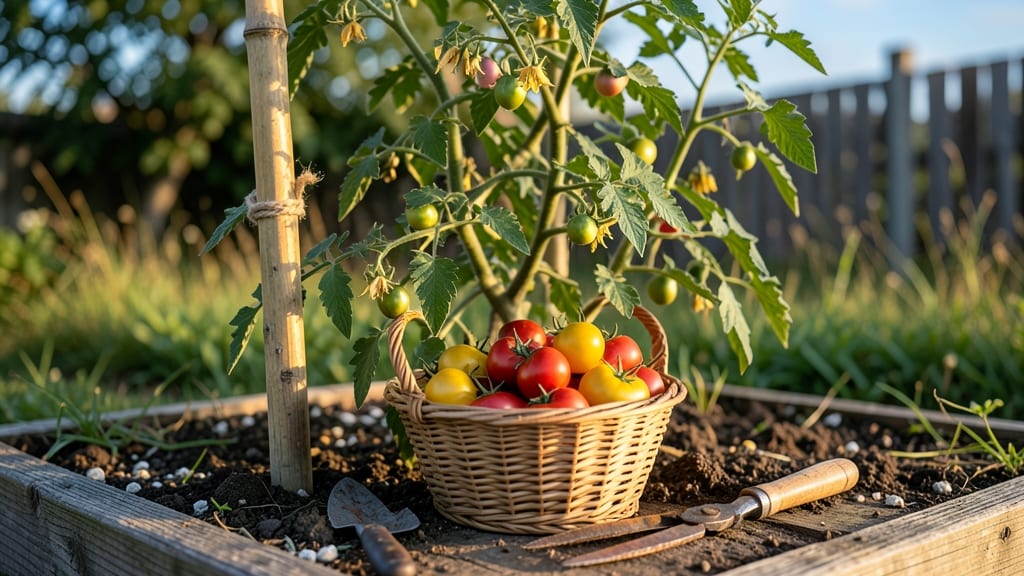
Getting 50 to 100+ tomatoes from one plant isn’t just luck—it’s about choosing the right variety and giving it the care it craves.
Picture this: a single 🍅 indeterminate vine heavy with fruit, stretching toward the sky all summer, while its determinate cousin delivers a single burst of harvest before calling it quits. That difference? 10 to 30 pounds of tomatoes per plant. Which one will you grow?
Whether you’re working with cherry tomatoes or beefsteaks, sunlight, pruning, and soil quality are the real yield game-changers. I’ll break down the numbers, the secrets to maximizing your harvest, and why your spacing might be costing you pounds of tomatoes.
By the end, you’ll know exactly what to expect from your plants—and how to push them to produce even more.

Determinate vs. indeterminate tomatoes: yield differences explained
If you're dreaming of a tomato harvest that fills your kitchen with fresh, homegrown produce, understanding the difference between determinate and indeterminate varieties is your first step to success.
These two growth habits don't just change how your plants look—they dramatically impact how many tomatoes you'll harvest from each plant. Let me break it down for you.
Determinate tomatoes are the bushy, compact varieties that stop growing once they reach maturity. They produce fruit all at once, creating a heavy harvest in just a few weeks. Indeterminate tomatoes, on the other hand, keep growing and producing fruit until frost kills them.
This means a longer, staggered harvest over the entire growing season. The choice between the two can mean the difference between 50 pounds of tomatoes in August or 100 pounds spread from June to October.
Here's the game-changer: space efficiency. Determinate varieties are perfect for small gardens, containers, or urban balconies because they stay compact. Indeterminate varieties need trellises or cages to support their vining growth, but they can produce twice as many tomatoes per plant in the right conditions.
Let's compare their yields head-to-head so you can decide which fits your garden best.
Let's talk about determinate tomatoes first. These varieties are like the reliable friends of the garden world—they deliver a big harvest all at once, which is perfect if you're planning to can or make sauce.
For example, a Roma tomato plant (a determinate variety) might give you 15-20 pounds of fruit in just a few weeks. This makes them ideal for preserving or if you prefer a short, intense harvest rather than a drawn-out one.
Now, imagine an indeterminate tomato plant like 'Sungold' cherry tomatoes climbing your trellis. Instead of one big harvest, you'll get continuous production from early summer until frost. A single plant can yield 20-30 pounds of sweet, juicy tomatoes over 10+ weeks.
That's why gardeners with limited space often choose cherry tomato varieties—they maximize yield without taking up much room when trellised properly.
Here's a pro tip: if you're growing determinate tomatoes, consider planting multiple varieties with staggered maturity dates. This way, you'll extend your harvest window naturally, even though each plant produces all its fruit at once.
For example, plant early-season Celebrity tomatoes alongside late-season Better Boy determinates to enjoy tomatoes from June through September.
For indeterminate varieties, focus on pruning and support. Regularly remove suckers (the small shoots that form in the leaf axils) to direct the plant's energy into fruit production rather than extra foliage.
Use strong cages or trellises to support the weight of heavy fruit like beefsteak tomatoes. A well-pruned indeterminate plant can produce 30-50 pounds of tomatoes in a season!
One common mistake gardeners make is assuming more plants = more tomatoes. While this can work with determinate varieties, indeterminate plants often
Factors that boost or reduce tomato yield per plant
Your tomato plant's yield isn't just luck—it's a science of light, soil, and care. I've learned that sunlight exposure alone can increase your harvest by 30-50% when optimized. Even the richest soil won't save a plant struggling for 6+ hours of direct sun daily.
Let's break down the key factors that determine how many tomatoes you'll actually harvest from each plant.
First, the variety you choose sets your baseline. Determinate tomatoes produce all their fruit at once, while indeterminate varieties keep growing and fruiting all season. But even with the best variety, poor soil quality can cut yields by half.
I once grew cherry tomatoes in clay soil—my 20-plant harvest dropped from 500 tomatoes to just 150! The fix? Amending with compost and organic matter to improve drainage and nutrient availability.
- 1 Sunlight Exposure: 6-8+ hours of direct sun daily. Partial shade reduces yields by 20-40%.
- 2 Soil Quality: pH 6.0-6.8 with high organic matter. Poor soil cuts yields by 30-50%.
- 3 Pruning Technique: Indeterminate varieties need regular pruning to boost yields by 25-40%. Remove suckers weekly.
- 4 Watering Schedule: Deep watering every 2-3 days (1-2 gallons per plant). Overwatering causes blossom end rot.
- 5 Climate Conditions: Temperatures 70-85°F optimize growth. Heat above 90°F reduces pollination by 50%.
Don't overlook pruning techniques—this is where many gardeners lose 20-30% of potential yield. I prune my indeterminate Sungold cherry tomatoes aggressively, removing suckers weekly to direct energy toward fruit production.
For determinate varieties like Roma, I skip pruning entirely to encourage bushier growth. The key is matching your pruning style to your plant's natural growth habit.
Your watering schedule directly impacts yield too. I've seen blossom end rot wipe out entire harvests when plants get inconsistent water. The fix? Deep watering in the morning—never at night—to keep roots hydrated without promoting fungal diseases.
A simple drip irrigation system has increased my yields by 15-20% by maintaining consistent moisture.
Finally, climate conditions play a surprising role. Tomatoes thrive in 70-85°F temperatures but struggle when heat exceeds 90°F. In my Zone 6a garden, I use shade cloth during peak summer to protect plants from heat stress.
Even a 10°F temperature drop can boost pollination rates, leading to more consistent fruit set.
Master these factors, and you'll consistently get 20-50% more tomatoes from each plant. Start with soil testing and sunlight mapping—these two steps alone will reveal where your current yields could double! 🌱