
Planting
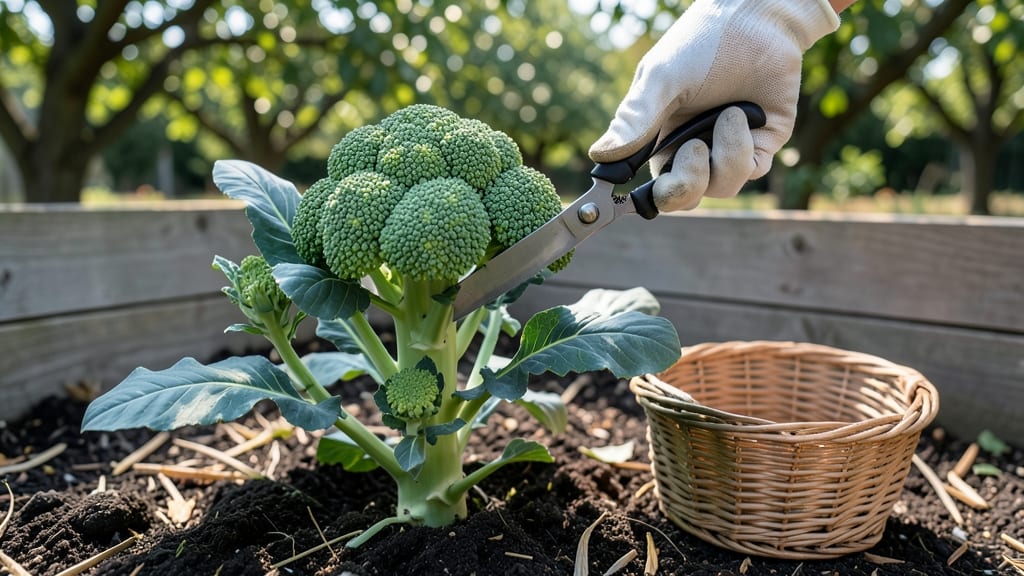
How to cut broccoli off the plant at the right time turns a single harvest into a continuous bounty—and the stem-cleaving trick is the secret. 🌱 I learned this after wasting half my crop by cutting too late, when the buds had already flowered. The key is timing: harvest the main head when it's 6-8 inches wide and still tight, before the yellow flowers appear. This isn’t just about one big cut—it’s about encouraging the plant to send up side shoots for weeks of harvests.
You’ll need sharp pruners or a knife, a clean cutting surface, and a plan for the stem below. The trick? Don’t just snip at the base—leave 1-2 inches of stem attached to the plant.
This stem will regrow into new side shoots, giving you 3-5 more harvests from one plant. I’ve seen my broccoli plants produce pounds of extra heads using this method, and it keeps the crown healthy for longer growth.
What you’ll end up with is a lush, productive plant that doesn’t just give you one harvest and quit. The side shoots start appearing in 2-3 weeks, and they’re just as flavorful as the main head.
Just avoid cutting into the main stem—that’s where future growth comes from. With this method, I’ve gone from one lonely head per plant to a steady supply that lasts through the growing season.
This works for all broccoli varieties, from classic Calabrese to smaller varieties like De Cicco. The only rule? Don’t over-cut—leave at least two sets of leaves on the plant after each harvest to keep it strong.
And if your plant starts flowering before you’re ready, those buds can still be harvested as broccoli raab for a different (but delicious) use. Now grab those pruners—your plant’s about to reward you.
📚 In This Guide
- What you need
- Instructions
- Tips and common mistakes
- Wrapping up and next steps
What you need
- ● Sharp pruning shears or garden scissors – A clean, sterilized pair (5–7 inch blades) for precise cuts. Pro tip: 💡 Avoid dull tools—they crush stems and invite pests!
- ○ Gloves (optional but recommended) – Heavy-duty gardening gloves (size medium/large) to protect hands from thorns or rough stems.
- ● Disinfectant (e.g., rubbing alcohol or bleach solution) – A small bottle to sterilize tools before/after use (1:10 bleach-water ratio).
- ● Bucket or harvest basket – A sturdy, shallow container (1–2 gallons) to collect broccoli heads and stems.
- ○ Water spray bottle (optional) – For misting plants post-harvest to reduce stress (16 oz sprayer).
- ● Mature broccoli plant – Look for heads 3–6 inches wide with tightly closed florets (color: deep green or purple).
- ● Sunny morning or late afternoon – Harvest when plants are hydrated (after dew dries but before peak heat).
- ● Weather check – Avoid harvesting after rain (stems may be slippery) or during frost.
Step-by-Step guide to harvesting broccoli using the stem-cleaving trick
Master this technique and you'll coax your broccoli plants into producing bigger, more abundant heads for weeks.
✂️ Step 1: Identify the Perfect Harvest Time
Wait until the main head reaches 6-8 inches in diameter and the individual florets are still tight and green. Press your thumb and forefinger gently on the florets—if they don't spring back immediately, it's past peak. The stem should feel firm, not woody or hollow-sounding when tapped lightly.
Never harvest when the florets start turning yellow or brown. That's your plant's way of saying "I've given what I can for now." The stem-cleaving trick only works on plants that still have energy to redirect into side shoots. I always check the underside of the main head for tiny side buds—those are your future harvests.
🌱 Step 2: Make the Initial Cut Using the Stem-Cleaving Technique
Position your knife or pruners at a 45-degree angle, about 1-2 inches below the main head. This angled cut prevents water from pooling on the stem, which could rot the plant. I use clean, sharp pruners to avoid crushing the stem—dull blades cause unnecessary damage that stresses the plant.
Cut through the stem completely, but leave a small portion of the stem attached to the plant. This stump acts as a growth signal, telling the plant to redirect its energy toward producing side shoots. Don't cut too close to the base—you want to leave at least ½ inch of stem to prevent disease entry points.
🌿 Step 3: Encourage Side Shoot Growth Immediately After Cutting
Within 2-3 weeks, you'll notice tiny side buds forming where the main head was. These are your next harvests. The key to maximizing yield is keeping the plant well-watered and fertilized during this recovery period. I always add a balanced, water-soluble fertilizer at half-strength right after harvesting the main head.
Watch for new growth emerging from the leaf axils (where leaves meet the stem). These side shoots won't be as large as the main head, but they'll produce 3-5 smaller harvests over the next 4-6 weeks. Thin out any crowded shoots to give the remaining ones room to grow—this prevents competition for nutrients and light.
⏰ Step 4: Harvest Side Shoots Using the Same Technique
When side shoots reach 3-5 inches in diameter, repeat the stem-cleaving process. Cut at the same 45-degree angle, but this time leave only ½ inch of stem to encourage the final flush of small florets. These miniature heads are perfect for salads and stir-fries—don't overlook them!
After harvesting the last side shoots, the plant will begin to yellow and die back. This is normal—broccoli is a cool-season crop that bolts when temperatures rise. If you're in a warm climate, succession planting every 2-3 weeks ensures a continuous harvest. In cooler regions, you might get 2-3 harvest cycles before the plant calls it quits.
☀️ Step 5: Maintain Plant Health for Future Harvests
Keep the soil consistently moist but never soggy—broccoli plants hate wet feet. Water at the base in the morning to allow foliage to dry, reducing disease risk. I always mulch around the plants with 1-2 inches of straw or grass clippings to retain moisture and suppress weeds.
Monitor for pests like cabbage worms and aphids. A quick spray of neem oil or insecticidal soap keeps them at bay without harming beneficial insects. Healthy plants produce bigger heads and more side shoots. If you notice yellowing leaves, it's often a sign of nitrogen deficiency—add a quick boost of fish emulsion or compost tea to revive the plant.
Tips & tricks for perfect broccoli harvesting
Mastering the stem-cleaving technique transforms your broccoli plants into continuous producers—here's how to maximize every harvest.
Timing is Everything: The 6-8 inch diameter rule for the main head is non-negotiable. I learned this the hard way after harvesting overripe heads that yielded nothing but bitter florets. Press those florets gently—if they don't spring back immediately, you've waited too long. The plant's energy is already shifting to seed production, not side shoots. For side shoots in Step 4, aim for 3-5 inches—they'll be smaller but more abundant, perfect for quick stir-fries or salads.
Tool Selection Matters: Sharp pruners are your best friend here. I've tried dull knives and ended up crushing stems, which stresses the plant and invites disease. The 45-degree angle isn't just for looks—it prevents water pooling that leads to rot. For larger plants, consider heavy-duty pruning shears. Just remember: clean tools prevent spreading plant diseases between harvests.
Post-Harvest Care: That first fertilizer application after harvesting the main head is crucial. I use a balanced water-soluble fertilizer at half-strength to avoid burning the plant's roots. The 2-3 week window for side shoot emergence is your opportunity to keep soil consistently moist (but never soggy) and monitor for pests. Yellowing leaves after harvest? It's often nitrogen deficiency—fish emulsion works wonders when applied to the soil, not the leaves.
Climate Considerations: Warm climates demand more frequent succession planting every 2-3 weeks. In cooler regions, you might get 2-3 harvest cycles before the plant bolts. If you notice your plants flowering prematurely, try shading them during hot afternoons or provide consistent moisture to delay bolting. The mulch layer (1-2 inches) isn't just for looks—it regulates soil temperature and retains moisture during those critical growth periods.
Pro Tips for Cut Broccoli Off The Plant
- Mastering the stem-cleaving technique transforms your broccoli plants into continuous producers—here's how to maximize every harvest.
- Timing is Everything: The 6-8 inch diameter rule for the main head is non-negotiable.
- Tool Selection Matters: Sharp pruners are your best friend here.
Frequently asked questions
Got questions about harvesting broccoli like a pro? Here are some of the most common ones—plus quick, actionable answers to keep your garden thriving!
When is the best time to cut broccoli from the plant?
The ideal time to harvest broccoli is when the main head is tight, firm, and 4–8 inches in diameter—before the buds start to open or turn yellow. Morning harvests work best because the plants are hydrated and cooler, reducing stress. For side shoots (baby broccoli), wait until they’re at least 2–3 inches wide to maximize yield.
How do I cut broccoli without damaging the plant?
Use a sharp knife or pruning shears to cut the stem about 5–7 inches below the head. Angle the cut slightly to avoid tearing the stem, and leave the lower leaves intact—they’ll help the plant regrow side shoots. Pro tip: Wear gloves if your plant has thorns!
Can I cut broccoli and still get more harvests?
Broccoli is a cut-and-come-again crop. After harvesting the main head, the plant often produces 3–5 smaller side shoots (called "baby broccoli") over 2–3 weeks. Keep the plant well-watered and fertilized with nitrogen to encourage regrowth. Some varieties, like ‘De Cicco,’ are bred specifically for multiple harvests!
What should I do if my broccoli head starts to flower?
If the head bolts (sends up a flower stalk), it’s past its prime for eating—bolting usually happens due to heat stress, age, or poor soil conditions. However, you can still harvest the smaller side shoots that form lower on the stem. To prevent bolting next time, plant cool-season varieties and provide shade during hot spells.
What’s the difference between cutting and snapping broccoli?
Both methods work, but cutting (with a knife) gives you cleaner results and less damage to the plant, especially for larger heads. Snapping (twisting off the stem) is faster but can leave jagged edges and may stress the plant more. For side shoots, snapping is fine—just grip the stem firmly and twist sharply at the base.
Wrapping up and next steps
Mastering the stem-cleaving trick is your ticket to a bountiful broccoli harvest—no more wasted stems or missed opportunities! 🌱 With the right tools, timing, and technique, you’ll transform scraps into new plants and enjoy homegrown goodness all season.
Ready to put your skills to the test? Head to the garden, grab your pruners, and watch those side shoots thrive—your future harvest (and taste buds) will thank you!
💡 Pro Tip: Keep a garden journal to track which methods yield the biggest side shoots—you’ll be a broccoli-growing pro in no time!