
Planting
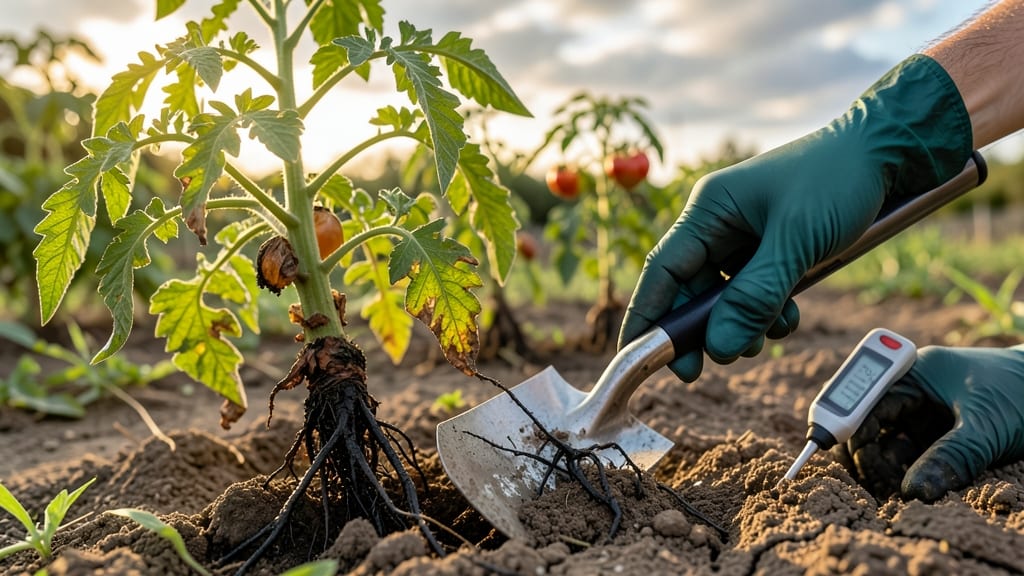
Knowing when a plant is truly dead saves you from unnecessary replanting—and heartbreak. 🌿 The difference between a struggling plant and one that’s beyond saving often comes down to three simple checks: how it looks, how it smells, and whether it responds to touch.
Start with the leaves: crispy, brown, and brittle means it’s gone, but yellowing or wilting could just mean it’s thirsty or dormant. Then check the stems—if they snap like dry kindling, that’s a bad sign. Finally, give it a sniff: a foul, rotting odor means decomposition has already begun.
You’ll also want to dig into the roots (if possible) to see if they’re mushy or just dry. A healthy root system should feel firm and white, while dead roots crumble easily. This method works for houseplants, herbs, and even perennials in your garden beds.
Once you confirm it’s dead, don’t toss it—compost it! Just prune away any remaining healthy growth first, and you’ll turn what was a loss into garden gold.
📚 In This Guide
- What you need
- Instructions
- Tips and common mistakes
- Wrapping up and next steps
What you need
- ● Healthy eyesight (or a magnifying glass 🔍 for close inspection of leaves/stems)
- ● Clean hands (or disposable gloves 🧤 for hygiene)
- ● Natural light source (sunlight or a bright lamp 💡 for proper visibility)
- ● Fresh air (open a window or step outside to test smells 🌬️)
- ○ Small notepad & pen (optional but helpful to jot down observations 📝)
- ● Digital scale (to measure weight loss in potted plants 📏)
- ● pH testing kit (if soil health is suspected 🌱💧)
- ● Thermometer (to check soil temperature in extreme cases 🌡️)
- ● Camera or phone (to document symptoms before disposal 📸)
How to tell if a plant is beyond saving
Don't toss that plant just yet—here's how to check if it's truly gone.
🌿 Step 1: Examine the Stems for Structural Integrity
Run your fingers along the main stems. If they feel mushy or collapse when touched, that's a red flag. Healthy stems should be firm but flexible—like a fresh celery stalk. I always check the base first; this is where rot or disease often starts. If the stem snaps easily and doesn't bend, the plant's vascular system is likely compromised.
Look for dark, sunken spots or blackened areas. These indicate internal decay that's spreading through the plant's core. Even if leaves look okay, if the stems are mushy or hollow inside, the plant is dead or dying. This is the most reliable test because stems don't recover once they rot completely.
🌱 Step 2: Check the Leaves for Irreversible Damage
Pull off a few leaves and examine their texture. If they crumble into dust or feel brittle like dried paper, the plant has lost all moisture. Healthy leaves should resist breaking and have a slight give when pinched. I've seen plants with just one or two crispy leaves bounce back, but if most leaves are like this, it's too late.
Look for leaf color changes beyond just yellowing. Blackened, brown, or gray leaves with a papery texture are classic signs of death. Even if some leaves still look green, if they're limp and don't perk up when watered, the plant's water transport system has failed. This is especially true for plants that should be upright—like tomatoes or peppers—when they suddenly flop over.
💧 Step 3: Test the Roots for Life
Gently remove the plant from its pot and examine the roots. Healthy roots should be white or tan and firm to the touch. If you see only black, mushy roots with a foul smell, the plant is dead. I like to rub a few roots between my fingers—if they disintegrate like wet toilet paper, that's your answer.
Even if some roots look okay, if most are rotted or covered in fuzzy mold, the plant can't recover. You might notice roots growing outward from the pot instead of downward—this is a desperate attempt to find nutrients when the plant is already dying. When in doubt, try replanting the roots in fresh soil and watch for new growth in a week.
👃 Step 4: Use Your Nose for Confirmation
Take a deep sniff near the base of the plant. A healthy plant has a clean, earthy smell. If you detect a sour, fermented odor or a strong musty smell, that's a clear sign of bacterial or fungal rot working its way through the plant's tissues. I've learned the hard way that ignoring this smell leads to spreading disease to other plants.
Pay attention to the soil too. If it smells like spoiled milk or has a sharp, chemical-like stench, your plant is likely dead and the soil may need replacing. This smell comes from decomposed plant matter and harmful microbes that have taken over. Even if the plant looks questionable, this smell is often the final confirmation it's beyond saving.
⏰ Step 5: Give It a Final Water Test
Water the plant thoroughly and wait 24 hours. If it shows no signs of life—no leaves perking up, no stems firming up—it's time to let go. I've seen plants that looked completely dead spring back after this test, but if there's absolutely no response, the plant's systems have shut down permanently.
Look for any tiny signs of recovery: new buds forming, leaves slowly turning green again, or stems that regain some stiffness. If you see even the slightest improvement, keep caring for it. But if everything stays exactly the same after 48 hours, that plant is truly gone. This test separates hopeful gardeners from those who know when to cut their losses.
Tips & tricks for diagnosing a plant's final moments
Real talk: Even experienced gardeners sometimes misread a plant's last signals. Here's how to avoid the heartbreak of false hope.
Stem Test Nuance: In Step 1, focus on the base of the stem where it meets the soil—this is where rot hides best. I've seen plants with perfectly fine-looking tops but completely hollow stems at the base. If you can't even feel the stem's natural give when you gently squeeze it, that's your wake-up call. Confession: I skipped this step for years and wondered why my plants kept dying despite "good care."
Leaf Texture Over Color: When checking leaves in Step 2, pay more attention to texture than color. A leaf might still look green but feel like brittle paper—that's a sure sign the plant can't recover. I learned this the hard way with my fern collection: some leaves stayed green for weeks after the plant was already dead. The texture test is foolproof.
Root Recovery Window: For Step 3, if you replant roots in fresh soil as suggested, give it exactly one week to show signs of life. If there's no improvement after that, the plant's root system has permanently failed. I've had gardeners swear their plants came back after replanting—only to see them die again a month later. The 48-hour water test is your final judge.
Smell as the Tiebreaker: Trust your nose over everything else in Step 4. That sour, fermented smell isn't just unpleasant—it's a biological red flag. I once ignored this smell with my rose bush and ended up losing three neighboring plants to the same rot. When in doubt, sniff first, then decide.
Pro Tips for Know When A Plant Is Dead
- Real talk: Even experienced gardeners sometimes misread a plant's last signals.
- Stem Test Nuance: In Step 1, focus on the base of the stem where it meets the soil—this is where rot hides best.
- Leaf Texture Over Color: When checking leaves in Step 2, pay more attention to texture than color.
Frequently asked questions
Can a plant come back to life after showing all the signs of being dead?
Sometimes! If your plant is completely dry, brittle, and brown but still has some green stems or roots, it might revive with proper care—like soaking in water for a few hours or trimming dead parts. However, if the entire plant is mushy, black, or smells foul, it’s likely beyond saving. Always check the roots for signs of life!
How long should I wait before deciding a plant is truly dead?
Give it 1-2 weeks of consistent care (water, light, and proper soil) before declaring it dead. Some plants, like succulents or dormant perennials, may look lifeless but bounce back when conditions improve. If there’s no change after this period, it’s safe to say it’s gone.
What can I do with a dead plant instead of throwing it away?
Don’t toss it! Repurpose it:
- Compost it for nutrient-rich soil.
- Use it as mulch around other plants.
- Create homemade plant food by steeping dead leaves in water.
- Get creative with art or crafts (dried flowers, pressed leaves).
Why does my plant smell bad even though it looks healthy?
A foul odor (like rot or mold) usually means root rot or fungal issues, even if the leaves look fine. Check the soil—if it’s soggy or the roots are mushy and black, your plant is in trouble. Act fast by trimming affected roots, repotting in fresh soil, and adjusting watering habits.
Can I save a plant if only the leaves are brown and crispy?
Maybe! If the stems are still green and firm, the plant might recover with proper hydration and humidity. Trim the dead leaves, reduce watering (if overwatered), or increase it (if underwatered), and move it to brighter light. If the stems are also brown and hollow, it’s likely too late.
Wrapping up and next steps
Don’t let a failed plant dim your gardening spirit—every gardener loses a plant or two! 🌱💔 By learning to spot the signs (wilting, discoloration, or that off smell), you’ll become a pro at diagnosing plant health.
Next time, channel this knowledge into reviving your green friends or confidently repotting with fresh starts. Your next plant is waiting—go grow something amazing!