
Planting
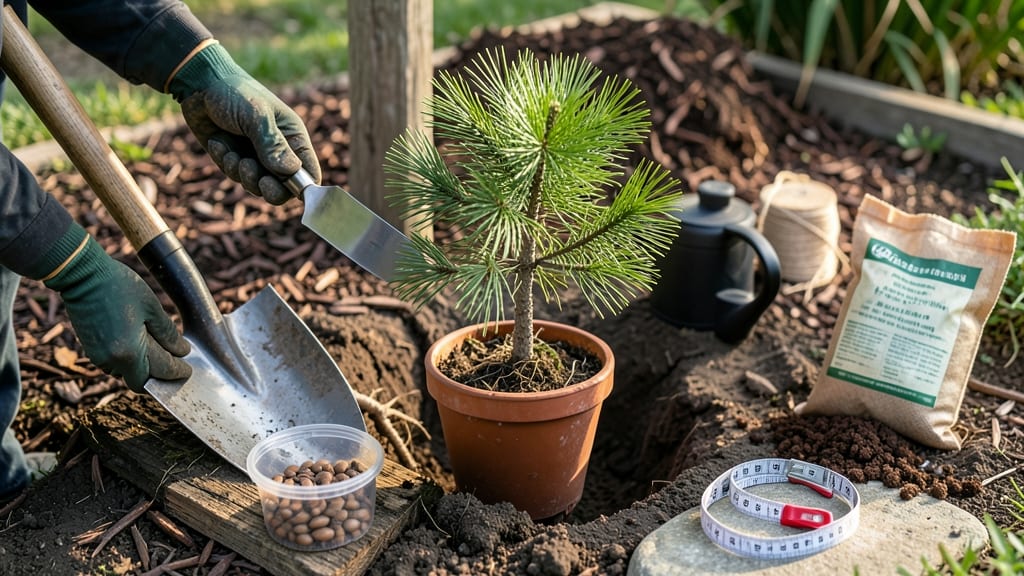
Planting a sequoia tree is like starting a living monument in your backyard—if you nail the conditions. 🌲 These giants need space, specific soil, and cool summers, but when everything aligns, you're growing a tree that could outlive your grandchildren.
The secret isn't complicated: well-draining soil, full sun, and patience. Most people fail because they underestimate how much room these trees need—think 30-50 feet between seedlings, not the 6 feet you'd give a maple.
First, check your climate: sequoias thrive in zones 5-7, where winters dip below freezing and summers stay mild. Your soil should be sandy and acidic, not the heavy clay most home gardens have. If yours doesn't drain well, mix in 20% sand or perlite and adjust the pH to 5.0-6.0.
Dig a hole twice as wide as the root ball but no deeper—sequoias hate sitting in soggy soil. The planting season is narrow: late fall or early spring, when roots can establish before extreme heat or cold.
Once planted, water deeply but infrequently—once a week for the first month, then taper to every 2-3 weeks. Mulch heavily (3-4 inches of wood chips) to keep roots cool and moist. The first year is critical: sequoias grow slowly, and stress now means stunted growth for decades.
You'll see 1-2 feet of growth per year if conditions are perfect, but don't expect instant giants—this is a 50-year commitment.
Here's the kicker: sequoias are fire-adapted, so avoid fertilizers—they encourage weak, fast growth that burns easily. Prune only dead branches, and never top the tree. With the right spot, your sequoia could become the centerpiece of your landscape, a living testament to long-term gardening.
Just don't plant it where you'll need to mow around it in 20 years.
📚 In This Guide
- What you need
- Instructions
- Tips and common mistakes
- Wrapping up and next steps
What you need
- ● Sequoia seedling or sapling: 1 healthy Sequoiadendron giganteum (giant sequoia) or Sequoia sempervirens (coast redwood) sapling (3–5 feet tall for best results).
- ● Ensure it’s nursery-grown with a well-developed root system (bare-root or containerized).
- ● Planting site: Full sun exposure (6+ hours daily).
- ● Well-draining, slightly acidic soil (pH 5.0–6.5).
- ● Space: At least 20–30 feet between trees (they grow wide!).
- ● Tools: Shovel or spade (for digging a hole).
- ● Garden hose or watering can (with a gentle spray nozzle).
- ● Pruning shears (to trim damaged roots or branches).
- ● Mulch (3–4 inches of wood chips or pine straw).
- ○ Soil amendment (optional but helpful): Compost or peat moss (mix 20% into native soil).
- ● Tree stake and ties (if planting in windy areas).
- ● Organic fertilizer (low-nitrogen, like 10-10-10, applied lightly).
- ● Soil test kit (to check pH and nutrient levels).
- ● Erosion control fabric (for sloped or sandy soil).
- ● Tree guard or protective fence (to shield from animals).
Step-by-Step instructions for planting a sequoia tree
Here's the straightforward method I use to give these giants the best start possible.
🪴 Step 1: Choose the Perfect Planting Spot
Sequoias need full sun—at least 6 hours daily—and plenty of space to grow. Look for a spot with well-draining soil and room to spread (they can reach 30 feet wide at maturity). Avoid low areas where water pools after rain.
Test your soil by digging a 1-foot deep hole. If water sits for more than an hour, amend with sandy loam or plant on a slight slope to improve drainage. I always check for underground utilities—call 811 before digging to be safe.
🌱 Step 2: Prepare the Planting Hole
Dig a hole twice as wide as the root ball but only as deep as the container. Sequoias hate having their roots buried too deep—this encourages rot. Gently loosen the sides of the hole with a shovel to help roots spread into the native soil.
If your soil is heavy clay, mix in compost or peat moss to improve aeration. I like to add a 5-gallon bucket of compost to the bottom of the hole—this gives young roots an instant nutrient boost. Avoid fertilizers at planting; they can burn tender roots.
☀️ Step 3: Remove the Tree from Its Container
Water the tree 24 hours before planting to reduce transplant shock. Gently squeeze the container sides while lifting—if the root ball sticks, run a knife around the edges to loosen it. Never pull or yank; sequoias have delicate root systems that break easily.
Inspect the roots. If they’re circling tightly, untangle them with your fingers—this prevents girdling as the tree matures. Place the tree in the hole so the top of the root ball sits level with the ground. Fill gaps with native soil, tamping lightly every 2 inches to remove air pockets.
💧 Step 4: Water Deeply and Mulch Correctly
Give the tree a slow, deep watering—enough to soak the root ball completely. You’ll know it’s right when water runs out the bottom of the hole. Afterward, add 3-4 inches of mulch (wood chips or bark) in a 3-foot diameter ring around the base, keeping it 6 inches away from the trunk to prevent rot.
Mulch helps retain moisture and regulates soil temperature, but too much can smother the roots. I always check that the trunk stays exposed—this prevents disease. Water again 2-3 days later to settle the soil around the roots.
✂️ Step 5: Stake Only If Necessary
Unless your sequoia is in a windy location, skip staking. Young sequoias have strong taproots that anchor them naturally. If you must stake, use two flexible stakes on opposite sides, tied loosely with soft fabric strips—never wire, which can cut into the bark.
Leave the stakes in for only 6 months, then remove them. The goal is to encourage the tree to develop its own stability. I always check the ties monthly to ensure they’re not too tight—you should be able to slip a finger between the strap and the trunk.
🌿 Step 6: Monitor and Protect for the First Year
Water once a week during the first year, providing 1-2 gallons each time unless rain provides moisture. Sequoias are drought-tolerant once established, but young trees need consistent water to develop strong roots. You’ll know it’s enough when the soil 1 inch down feels damp but not soggy.
Protect the tree from deer, rabbits, and rodents with a tree guard or wire mesh around the base. I’ve lost young sequoias to browsing—these trees grow slowly, and early damage is hard to recover from. Keep the area weed-free within the mulch ring to reduce competition for water.
Tips & tricks for planting a sequoia tree
These simple tricks will help your sequoia thrive from day one—no green thumb required.
Sunlight Strategy: That 6 hours of daily sun is non-negotiable, but here's the thing: sequoias actually prefer more sun than they'll get in most urban yards. If your spot only gets 5 hours, consider planting near a south-facing wall or fence that reflects sunlight. I've seen sequoias struggle in partial shade—watch for yellowing needles as an early warning sign.
Root Ball Rescue: When you're removing that root ball in Step 3, here's what nobody tells you—don't be afraid to get your hands dirty. If you see roots circling tightly, gently tease them apart with your fingers. I've untangled roots that were wrapped around the container like a pretzel, and those trees are now thriving. The key is patience—don't force it, just work the roots loose like you're unraveling a sweater.
Mulch Mastery: That 3-4 inches of mulch in Step 4 is your moisture insurance policy. But here's my secret: I always add a second layer of mulch in spring to protect against temperature swings. Just remember to keep it 6 inches away from the trunk—this prevents rot that can kill young trees. Think of it like a cozy blanket for your tree's roots, not a smothering snowdrift.
Watering Wisdom: The 1-2 gallons weekly guideline in Step 6 is perfect, but timing matters more than quantity. Water in the early morning when evaporation is lowest. I've learned this the hard way—watering at night can lead to fungal issues. And here's a pro move: use a soaker hose to deliver water slowly at the base rather than overhead watering, which wastes water and can spread disease.
Pro Tips for Plant A Sequoia Tree
- These simple tricks will help your sequoia thrive from day one—no green thumb required.
- Sunlight Strategy: That 6 hours of daily sun is non-negotiable, but here's the thing: sequoias actually prefer more sun than they'll get in most urban yards.
- Root Ball Rescue: When you're removing that root ball in Step 3, here's what nobody tells you—don't be afraid to get your hands dirty.
Frequently asked questions
Got questions about growing these towering giants?
Here are answers to the most common ones—helping you avoid pitfalls and plant with confidence!
Can I grow a sequoia tree in my backyard?
Sequoias thrive best in spacious, open areas with plenty of sunlight and well-draining soil. While they’re adaptable, they need 100+ feet of vertical space to mature—so check local zoning laws and tree height restrictions before planting. Smaller varieties like Sequoia sempervirens (coast redwoods) are more manageable for yards.
How long does it take for a sequoia tree to grow?
Sequoias grow slowly but steadily—expect 1–2 feet per year in ideal conditions. A 100-foot giant could take 500+ years! Young trees grow faster in their first decade, but patience is key. For quicker greenery, consider faster-growing alternatives like Douglas fir or cedar.
What’s the best time of year to plant a sequoia?
Plant in early spring or fall (March–May or September–November) when temperatures are mild. Avoid extreme heat or frost, which can stress young roots. Water deeply after planting and mulch to retain moisture—sequoias hate soggy soil but need consistent hydration while establishing.
Why is my sequoia seedling dying?
Common killers include:
- Overwatering (roots rot in waterlogged soil—ensure drainage!).
- Underwatering (dry soil = wilting; water 1–2 inches per week).
- Pests (aphids, bark beetles—use neem oil or insecticidal soap).
- Poor sunlight (sequoias need 6+ hours of sun daily).
Are there smaller sequoia alternatives?
If space is limited, try these sequoia-like but easier-to-grow trees:
Tree
Height
Care Level
Dwarf Sequoia (Sequoiadendron giganteum 'Pendulum')
10–15 ft
Moderate (slow-growing, drought-tolerant)
Dawn Redwood (Metasequoia glyptostroboides)
40–60 ft
Easy (fast-growing, cold-hardy)
Western Red Cedar (Thuja plicata)
40–70 ft
Low (shade-tolerant, pest-resistant)
Wrapping up and next steps
Planting a sequoia tree isn’t just about nurturing a plant—it’s about cultivating a legacy. With the right location, soil prep, and patience, you’re giving this majestic giant a fighting chance to thrive for centuries.
Remember, sequoias may grow slow, but their impact on the landscape—and your heart—will be unforgettable.
Ready to take the next step? Mark your calendar for planting season (fall or early spring) and start gathering your supplies. Then, watch your tiny sapling grow—because every great tree starts with a single seed!