
Planting
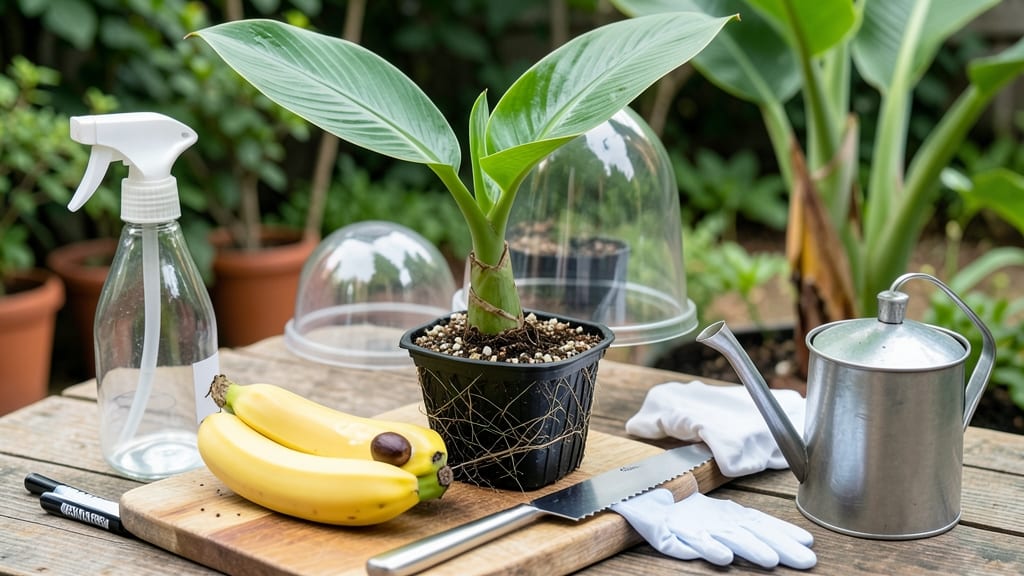
Planting a banana tree from fruit is easier than you think—and yes, you can start with the fruit from your grocery store!
Did you know you can grow a banana tree from the fruit you buy at the grocery store? With just a little patience and the right technique, you can turn that store-bought bunch into a thriving tropical plant—even if you don’t live in a warm climate.
All you need is a ripe banana, a warm spot, and a few weeks of consistent care. The process is simple: save the seed from the center of the fruit, dry it, plant it in moist soil or water, and wait for the first signs of life.
It may take months, but the reward—a 15-foot-tall banana tree—is worth it.
In this guide, I’ll walk you through every step, from picking the right banana to troubleshooting common issues like slow germination or mold. By the end, you’ll know exactly how to give your banana seed the best shot at growing into a healthy, productive plant.

Step-by-step guide to propagating banana trees from store-bought fruit
Growing a banana tree from store-bought fruit is one of the most rewarding propagation projects you can try. Most grocery store bananas—especially Cavendish or Lady Finger varieties—contain viable seeds that can sprout into a tropical plant with patience and care.
The key is selecting the right fruit, preparing it properly, and creating ideal germination conditions.
Unlike commercial banana plants (which are sterile clones), seed-grown bananas may not produce fruit identical to the parent plant. However, you’ll still end up with a stunning ornamental plant that thrives in USDA Zones 10-12.
Even if you live in cooler climates, you can grow it as a houseplant or overwinter it indoors. Let’s dive into the step-by-step process to maximize your success rate.
How to Plant a Banana Tree From Fruit
-
Step 1: Select the Right Banana
Choose a firm, ripe banana with no bruises. Look for thick, plump fruit—these have larger seeds. Cavendish bananas (the most common grocery variety) work best.
-
Step 2: Extract the Seeds
Cut the banana in half lengthwise and scoop out the gel-like pulp. Rinse the seeds under cool water to remove excess pulp. Keep only the largest, firm seeds (discard soft or shriveled ones).
-
Step 3: Choose a Rooting Method
Decide between water propagation (faster to monitor) or soil propagation (closer to natural conditions). For water, use a small glass jar with 2-3 inches of water. For soil, use a well-draining potting mix with perlite.
-
Step 4: Plant the Seeds
For water propagation: Place seeds in the jar, ensuring half are submerged. For soil propagation, plant seeds ½ inch deep in moist mix. Label your container with the planting date.
-
Step 5: Create Ideal Conditions
Place your container in a warm, bright spot (70-85°F). Avoid direct sunlight initially—use indirect light or a grow light. Keep humidity high with a plastic dome or misting.
-
Step 6: Monitor and Maintain
Change water every 3-4 days to prevent mold. If using soil, keep it moist but not soggy. Germination can take 2-6 months—patience is key! Once sprouts appear, move to more light gradually.
-
Step 7: Transplant Seedlings
When seedlings reach 4-6 inches tall and have 2-3 leaves, transplant to a 5-inch pot with tropical potting mix. Harden off for 1 week before moving outdoors (if in a warm climate).
One of the biggest challenges with banana seed propagation is slow germination. Some seeds may never sprout, while others take months to break through the soil. To improve your odds, I recommend starting with 5-10 seeds at once—this increases your chances of success.
Once your seedlings emerge, they’ll grow surprisingly fast, especially with consistent warmth and high humidity.
If you’re growing indoors, position your banana tree near a south-facing window or under grow lights for 12-14 hours daily. These plants love tropical conditions, so mimic their natural habitat with daily misting and occasional lukewarm water showers. Avoid drafts, as sudden temperature drops can stunt growth.
As your banana tree matures, it may develop large, dramatic leaves that can reach 2-3 feet long. While it’s unlikely to produce edible fruit (unless you’re in a tropical climate), the ornamental value is unmatched.
With proper care, your indoor banana tree can grow 10-15 feet tall over time, making it a stunning centerpiece for any home.
Remember, banana trees are monocarpic, meaning they produce fruit once and then die. However, they often send up suckers (baby plants) from the base, allowing you to propagate new trees indefinitely. This makes them a self-sustaining tropical addition to your garden or home.
🌱
Best banana varieties for propagation and where to plant them
Not all bananas are created equal when it comes to propagation. The Cavendish variety, found in most grocery stores, is the easiest to grow from fruit but produces sterile seeds—meaning no bananas will grow.
For true propagation success, look for Lady Finger or Red Dacca bananas, which often contain viable seeds. These varieties are more common in specialty markets or tropical regions.
To identify a banana with seeds, examine the fruit's stem end. Look for small, hard black specks—these are the seeds you need. Avoid bananas labeled as "seedless" or "Cavendish," as they won’t sprout.
Even with seeds, germination can take 3-6 months, so patience is key. I’ve found that Lady Finger bananas have the highest success rate for home propagation.
Banana trees thrive in USDA Zones 10-12, where temperatures stay above 50°F (10°C) year-round. If you live in cooler climates (Zones 6-9), grow them in containers and bring them indoors during winter.
For outdoor planting, choose a location with full sun (6+ hours daily) and well-draining soil, mimicking their tropical habitat.
| Variety | Seed Viability | Best Climate | Indoor/Outdoor | Germination Time |
|---|---|---|---|---|
| Lady Finger | High (visible seeds) | Zones 10-12 (or containers) | Indoor/Outdoor | 3-6 months |
| Red Dacca | High (large seeds) | Zones 10-12 (containers ideal) | Indoor/Outdoor | 4-8 months |
| Cavendish | None (sterile) | Zones 10-12 (ornamental only) | Outdoor (decorative) | N/A |
| Blue Java | Medium (small seeds) | Zones 10-11 (containers) | Indoor/Outdoor | 5-7 months |
For indoor cultivation, place your banana plant near a south-facing window or under grow lights (12+ hours daily). Use a well-draining potting mix with perlite or coconut coir to prevent root rot.
If growing outdoors, plant in spring after the last frost and protect young plants from frost with mulch or row covers.
Once your banana tree reaches 3-4 feet tall, it can tolerate cooler temperatures but will need extra humidity (50%+). In containers, I’ve kept mine thriving in Zone 8 by moving them to a garage during winter and resuming outdoor growth in spring.
With the right variety and care, your grocery store banana can become a stunning tropical centerpiece—even if it never bears fruit!
Remember, patience is key. Some seeds take up to a year to sprout, but the reward of watching a banana tree grow from a simple fruit is unmatched. Start with Lady Finger bananas, and you’ll have the best chance of success—whether indoors or outdoors. 🌱🍌