
Planting
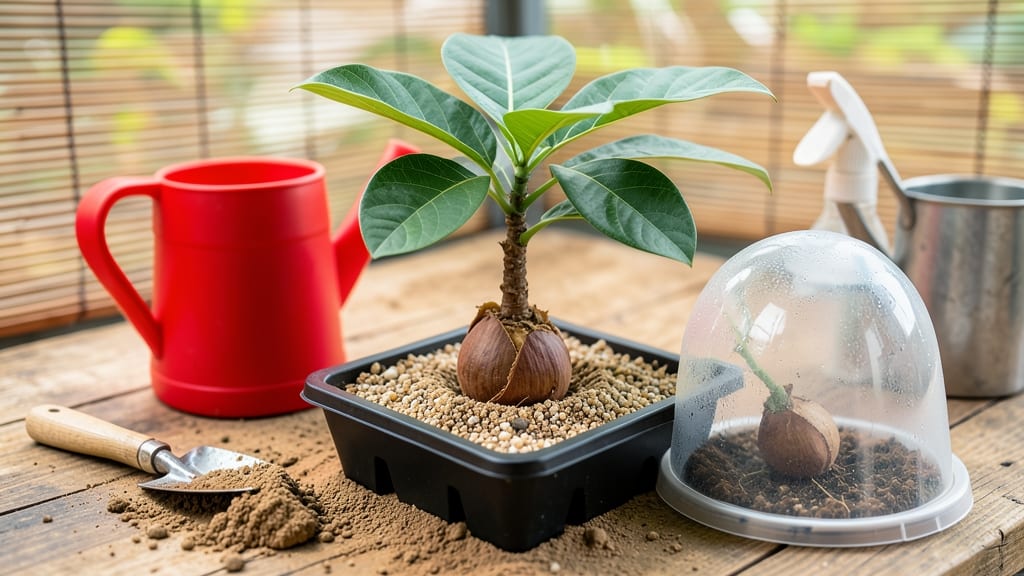
Planting durian seeds unlocks the potential for a towering tropical giant in your yard—if you know the secrets. 🌿 While most seeds fail to sprout, these steps dramatically improve your odds, even if you're starting from a grocery store fruit.
The key begins with selecting plump, undamaged seeds (discard any that float in water—they won't grow). Soak viable seeds for 24 hours to soften the tough outer shell, then plant them just below the surface in a well-draining mix of peat moss and perlite.
Keep the soil consistently moist but never soggy, as durian seeds rot easily when overwatered. Germination can take 4-12 weeks, with some seeds taking months to crack open. Once sprouts appear, move them to bright indirect light and gradually introduce direct sun to harden the young stems.
The real test comes when you transplant seedlings outdoors—only do this after the last frost in USDA zones 10-12. For home gardeners in cooler climates, consider growing durians in large containers that can overwinter indoors.
Patience is critical: mature trees take 10-15 years to produce fruit, but the journey starts with that first stubborn sprout pushing through the soil.
📚 In This Guide
- What you need
- Instructions
- Tips and common mistakes
- Wrapping up and next steps
What you need
- ● Durian seeds: 1–3 fresh, plump seeds (harvested from a ripe durian—avoid seeds from store-bought fruit if possible, as they may be treated).
- ● Well-draining potting mix: 1 bag (1–2 cubic feet) of a blend designed for tropical plants (e.g., 60% coconut coir, 30% perlite, 10% compost). Pro tip: Avoid heavy garden soil—durian roots hate soggy feet! 🌡️
- ○ Small pots or seed trays: 2–4 (4–6 inches in diameter) with drainage holes. Optional: Biodegradable pots for transplanting later.
- ● Plastic wrap or humidity dome: 1 sheet or a small greenhouse cover to retain moisture.
- ● Spray bottle: For gentle watering (avoid over-saturating the seeds).
- ● Fertilizer (balanced, water-soluble): 1 small bottle (e.g., 10-10-10 NPK ratio) for later stages.
- ● Trowel or small knife: For gently slicing seeds if needed (some durian seeds have hard shells).
- ● Sunlight access: A warm, bright spot (60–80°F / 15–27°C) with indirect light initially.
- ● Grow lights: LED or fluorescent bulbs for seedlings if natural light is limited.
- ● Rooting hormone: A gel or powder to boost germination (especially for stubborn seeds).
- ● Larger nursery pots: 1–2 (1-gallon size) for transplanting once seedlings sprout.
- ● Soil moisture meter: To monitor drainage and prevent overwatering.
- ● Label markers: To track seed varieties (if experimenting with multiple types).
- ● Patience (and a sense of humor!): Durian seeds can take months to germinate—think of it as a long-term investment. 😄
Step-by-step instructions for planting durian seeds
Here's my battle-tested method for coaxing those stubborn durian seeds into thriving tropical trees.
🌱 Step 1: Extract and Prepare the Seed
Durian seeds are encased in a thick, fibrous husk that needs careful removal. Use a sharp knife to slice through the husk lengthwise, then pry it open to reveal the seed inside. The seed itself is large—about 3-4 inches long—with a hard, dark brown shell. This shell must be softened before planting, so soak the seed in warm water for 24-48 hours.
Here's the thing—durian seeds are sensitive to cold. If your water temperature drops below 70°F, germination slows dramatically. I like to use a shallow container of water and change it every 12 hours to prevent bacterial growth. Watch for the seed to swell slightly—this signals the shell has softened enough for planting.
🪴 Step 2: Choose and Prepare the Planting Container
Durian trees need room to grow, so start with a 5-gallon container or larger. Fill it with a well-draining mix of 50% coconut coir, 30% perlite, and 20% compost. This airy blend prevents root rot while providing the nutrients young durian trees crave. Moisten the mix until it feels like a damp sponge—no puddles, just even moisture.
Durian seeds germinate best in warmth and humidity. If your climate dips below 75°F at night, consider using a seedling heat mat set to 80-85°F. Place the container in a spot with bright, indirect light—direct sun now will scorch the seed before it even sprouts.
💧 Step 3: Plant the Seed and Maintain Humidity
After soaking, plant the seed 1 inch deep in the center of the container, pointy end up. The seed's natural shape ensures proper orientation. Cover it lightly with the soil mix, then water gently until the surface feels moist but not soggy. This is critical—durian seeds rot if overwatered during germination.
Create a humidity dome by covering the container with clear plastic wrap or a humidity tent. Secure it loosely so air can circulate slightly. Place the container in a warm, shaded area. Germination can take 2-4 weeks, but don't be surprised if it takes longer—patience is key. You'll know it's working when you see a small crack appear in the seed shell.
☀️ Step 4: Transition to Light and Care for the Seedling
Once the seedling emerges, remove the humidity dome immediately to prevent fungal growth. Place the container under bright, indirect light for the first 2 weeks. Gradually introduce morning sun over 7-10 days to harden the young plant. Durian seedlings are delicate—too much sun too soon causes leaf scorch.
Water when the top 1-2 inches of soil feel dry. Use room-temperature water to avoid shocking the roots. Fertilize lightly with a balanced liquid fertilizer (10-10-10) diluted to half strength every 4 weeks. You'll notice new leaves emerging in 3-6 months—this is your signal that the seedling is thriving.
⏰ Step 5: Prepare for Transplanting Outdoors
Durian trees are tropical and need year-round warmth. Only transplant outdoors when nighttime temperatures stay above 60°F consistently. Choose a spot with full sun exposure—at least 6-8 hours daily. The tree's massive canopy will eventually need 20+ feet of space, so plan accordingly.
Before moving the seedling, harden it off by placing it outside in a sheltered spot for 2-3 hours daily over 10-14 days. Watch for signs of stress like wilting or yellowing leaves—these indicate it's not ready yet. Once acclimated, transplant carefully, keeping the root ball intact. Mulch the base with 2-3 inches of organic mulch to retain moisture and regulate soil temperature.
Tips & tricks for perfect durian seed germination
Let me save you from the heartbreak of watching your durian seed fail to sprout. These are the hard-won lessons from years of trial and error that'll give your seed the best possible start.
Soaking Success: The 24-48 hour soak isn't just about softening the shell—it's about creating the perfect hydration environment. Use a container wide enough for the seed to float freely, and change the water every 12 hours to prevent bacterial buildup. I've found that adding a drop of hydrogen peroxide (just 1 teaspoon per quart of water) during the final soak helps keep things sterile without harming the seed. Watch for the seed to develop a slight curve—this indicates it's ready for planting and has begun the germination process internally.
Temperature Matters: Durian seeds are tropical divas—they demand warmth, and they won't tolerate anything below 70°F. If your home runs cool, consider using a small aquarium heater in the soaking water to maintain consistent temperature. For the planting container, I've had the most success with a seedling heat mat set to 80-85°F during the germination phase. Pro tip: Place your thermometer near the soil surface, not in the air—soil temperatures can be significantly warmer than ambient air, especially with heat mats.
Planting Precision: That 1-inch depth recommendation isn't arbitrary—it's the Goldilocks zone for durian seeds. Plant too shallow and the seed may dry out; too deep and it struggles to push through the soil. I like to make a small dimple with my finger, place the seed pointy end up, then cover it with just enough soil to create a gentle mound. This helps water runoff during the critical early stages. After planting, give the soil a gentle press around the seed to eliminate air pockets that could prevent proper moisture contact.
Germination Patience: The 2-4 week estimate can feel like an eternity, but don't be tempted to disturb the seed if you don't see immediate results. I've seen seeds take up to 6 weeks to crack—especially in cooler conditions. The key is maintaining that humidity dome while ensuring good air circulation. If you notice condensation forming inside the plastic, prop it open slightly with a toothpick to prevent mold. Once that first crack appears, remove the dome immediately to prevent fungal growth on the emerging shoot.
Pro Tips for Plant Durian Seed
- Let me save you from the heartbreak of watching your durian seed fail to sprout. These are the hard-won lessons from ...
- Soaking Success: The 24-48 hour soak isn't just about softening the shell—it's about creating the perfect hydration e...
- Temperature Matters: Durian seeds are tropical divas—they demand warmth, and they won't tolerate anything below 70°F....
Frequently asked questions
Got questions about growing durian from seed? You’re not alone—this tropical fruit is finicky, but the rewards are worth it! Here are answers to the most common queries to help you avoid pitfalls and nurture your future durian tree like a pro.
How long does it take for a durian seed to sprout?
A durian seed typically sprouts within 1–3 weeks if kept in warm, moist conditions. If nothing happens after 4 weeks, check for rot (overwatering) or dryness. Patience is key—some seeds take up to 2 months! Keep the soil consistently damp (not soggy) and in a warm spot (75–85°F).
Can I plant a durian seed directly in the ground, or should I start indoors?
For best results, start indoors in a pot with well-draining soil (6–8 weeks before last frost). Durian seeds are sensitive to cold, and young seedlings need protection. Once the seedling is 12+ inches tall and the weather is warm (above 60°F), transplant it outdoors. Pro tip: Use a heat mat if your climate is chilly!
Why did my durian seed turn mushy or moldy?
Mushy seeds usually mean overwatering or poor drainage. Durian seeds need moisture but not soggy conditions. Use a mix of peat moss, perlite, and coconut coir to prevent rot. If mold appears, remove the seed, let it dry for a day, and replant in fresh, sterile soil. Airflow is your friend—keep the container slightly open!
Will my durian tree grow from seed produce edible fruit?
Most likely, no—seeds grown from store-bought durians are not true to the parent plant. Commercial durians are grafted for consistency. However, you’ll still get a durian tree (just with unpredictable fruit quality). For edible durians, buy a grafted sapling from a nursery. Patience pays off—it takes 5–10 years for a seedling to bear fruit!
What’s the best climate for growing a durian tree from seed?
Durian trees thrive in tropical climates with high humidity, warm temperatures (75–90°F), and no frost. If you live in a cooler zone, grow it in a large container and bring it indoors during winter. Durian trees need 12+ hours of sunlight daily—place them in a sunny spot or use grow lights. Bonus: They love rainfall but adapt to regular watering!
Can I grow a durian tree in a pot, or does it need a garden?
Yes! Durian trees can grow in large pots (15+ gallons) for years, but they’ll need repotting every 2–3 years as they outgrow their space. Choose a pot with drainage holes and use a mix of garden soil, compost, and perlite. If kept in a pot long-term, fertilize monthly with a balanced tropical plant food during growing season.
Wrapping up and next steps
Growing a durian tree from seed is a rewarding journey that blends patience with the thrill of nurturing something extraordinary. 🌱 From selecting the right seeds to providing the ideal tropical conditions, each step brings you closer to cultivating your very own "king of fruits."
Remember, while results may take years, the process itself is pure joy—so embrace the adventure and let nature do its magic!
Now that you’re armed with the secrets to success, why not start today? Grab those seeds, prepare your growing space, and take the first step toward a lush, fruiting durian tree. Happy planting!