
Planting
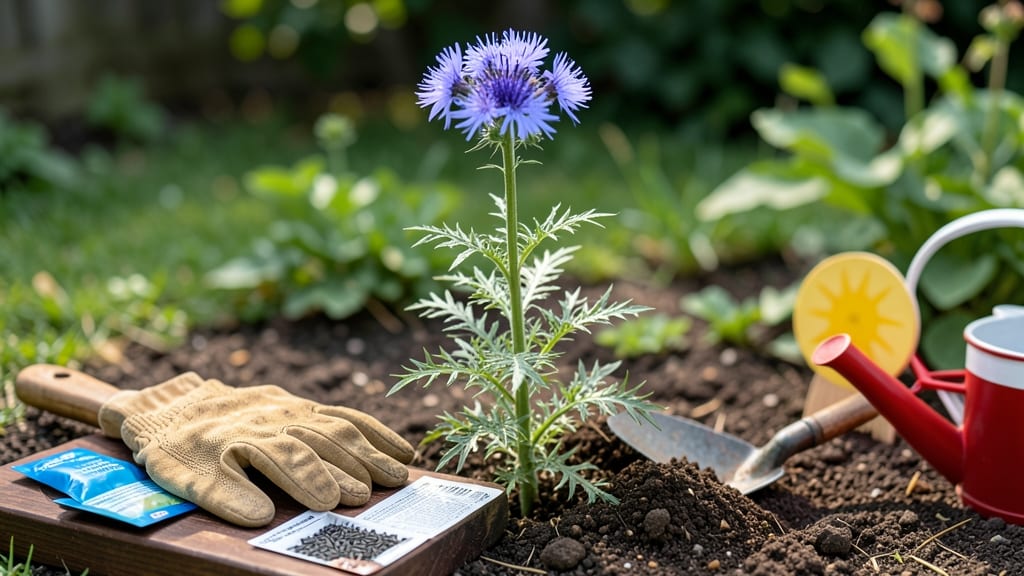
Planting cornflowers brings unexpected bursts of blue to any garden—easy as long as you nail the timing and soil. 🌿 I’ve grown them for years, and the secret isn’t complicated: these hardy annuals just need well-drained soil, full sun, and a little patience.
The first year, my patch produced dozens of blooms with almost no effort, and they self-seeded everywhere the next spring. Start seeds indoors 6-8 weeks before last frost or sow directly in spring after the soil warms to 50°F.
Press seeds ¼-inch deep in rows spaced 12-18 inches apart—they’re tiny but tough, so don’t worry about perfect spacing. Water gently to keep soil moist but not soggy, and watch for those first pale green leaves in 7-14 days.
By midsummer, you’ll have sturdy stems topped with classic blue (or pink, white, or purple) blooms that attract bees and butterflies. The plants stay compact, so they’re perfect for borders, cottage gardens, or wildflower mixes. Just snip spent blooms to encourage more flowers all season.
Troubleshooting is simple: if seedlings look leggy, thin them to 6 inches apart and give them more light. Poor germination? Try pressing seeds into the soil with a board to ensure good contact.
Pair them with lavender or marigolds for a fragrant, low-maintenance display that keeps coming back year after year.
📚 In This Guide
- What you need
- Instructions
- Tips and common mistakes
- Wrapping up and next steps
What you need
- ● Cornflower seeds: Choose heirloom or organic seeds for best results. Aim for 1-2 grams per 10 square feet (about 30-60 seeds for small containers).
- ● Well-draining potting mix: Use a high-quality seed-starting mix or blend 50% garden soil + 50% compost for outdoor planting.
- ● Containers or garden bed: For containers: Use pots at least 6 inches deep with drainage holes (e.g., 6-8" diameter for 1-2 plants).
- ● For garden beds: Ensure full sun (6+ hours/day) and loose, sandy or loamy soil with a pH of 6.0-7.0.
- ● Watering can or hose: With a gentle spray nozzle to avoid disturbing seeds.
- ○ Fertilizer (optional but helpful): Balanced, water-soluble fertilizer (10-10-10) or compost tea for young seedlings.
- ● Avoid high-nitrogen fertilizers—cornflowers prefer low nutrients!
- ○ Gloves (optional but recommended) to protect hands from prickly stems.
- ● Trowel or small shovel for digging soil in garden beds.
- ● Plant labels & markers to track varieties (e.g., ‘Moonbeam’ or ‘Black Ball’).
- ● Pruners or scissors for deadheading spent blooms (encourages more flowers!).
- ● Timing: Plant seeds 2-3 weeks before your last frost date (cornflowers tolerate light frost!).
- ● Sunlight: Confirm your planting spot gets full sun (6+ hours/day)—cornflowers love basking!
- ● Drainage check: Ensure containers or soil isn’t waterlogged (cornflowers hate soggy roots!).
Step-by-step instructions for planting cornflowers
Here's the straightforward method I use to grow these cheerful blooms with minimal fuss.
🌱 Step 1: Choose the Right Location and Prepare the Soil
Cornflowers thrive in full sun, so pick a spot that gets at least 6-8 hours of direct sunlight daily. They're incredibly adaptable to soil types, but well-draining soil prevents root rot. Work in a 2-3 inch layer of compost to enrich the soil and improve drainage—this is especially important if your soil tends to stay damp.
Loosen the top 6 inches of soil with a garden fork or tiller to create a loose, crumbly texture. Cornflowers have deep taproots, so breaking up compacted soil early gives their roots room to establish. If your soil is heavy clay, mix in sand or perlite to improve aeration. I like to scatter a handful of bone meal (about 1 tablespoon per square foot) at this stage for extra phosphorus, which encourages strong root development.
🌱 Step 2: Plant Seeds at the Correct Depth and Spacing
Sow cornflower seeds directly in the garden after the last frost date, when soil temperatures reach at least 50°F. Scatter seeds ½ inch deep—they're tiny, so I use a seed tray or shallow container to portion them out evenly. Space seeds 12-18 inches apart for single plants or 6-12 inches apart if you're planting them in drifts for a naturalized look.
Press the seeds lightly into the soil with your fingers or the back of a rake—just enough to cover them. Avoid burying them too deeply, as they need light to germinate. Water gently but thoroughly after planting to settle the soil around the seeds. You'll see sprouts in 10-21 days, depending on your climate. If you're planting in a windy area, consider using a biodegradable mesh to protect the seedlings until they're established.
☀️ Step 3: Maintain Water and Fertilizer for Healthy Growth
Cornflowers are drought-tolerant once established, but keep the soil consistently moist until they reach 6 inches tall. Water deeply 1-2 times per week, aiming for 1 inch of water per week. You'll know they're getting enough moisture when the soil feels damp 2 inches below the surface. Once they're established, reduce watering to once a week or when the top inch of soil feels dry.
Fertilize lightly during the growing season with a balanced, low-nitrogen fertilizer (like 5-10-5) every 4-6 weekscompost tea mid-season to give them a gentle nutrient boost without risking over-fertilization. Deadhead spent blooms to encourage continuous flowering throughout the season—this simple step keeps your cornflowers looking tidy and promotes more blooms.
Tips & tricks for planting cornflowers
These simple yet game-changing tips will help you grow cornflowers that stand out in your garden with minimal effort.
Sunlight Strategy: While cornflowers tolerate partial shade, the boldest blue blooms come from full sun exposure. If your garden only gets 4-6 hours of direct sunlight, position cornflowers where they'll receive the most light during peak hours (10 AM to 4 PM). I've seen dramatic differences in flower intensity when moving plants just a few feet to sunnier spots.
Soil Prep Secret: The 2-3 inch layer of compost isn't just about nutrients—it's about creating the perfect crumbly texture cornflowers crave. For heavy clay soils, mix in sand or perlite to improve drainage, but don't overdo it. Aim for soil that holds moisture but drains freely, like a well-worn sponge. This prevents the root rot that can plague poorly-drained areas while still providing the moisture cornflowers need during establishment.
Planting Precision: When sowing those tiny seeds at ½ inch depth, think of them like delicate snowflakes—handle with care. Using a seed tray to portion them out ensures even spacing, and pressing them lightly with your fingers creates just enough soil contact for germination without burying them too deep. For large plantings, consider using a seed starter mat to maintain consistent soil temperature until sprouts appear.
Watering Wisdom: The 1-2 times per week watering guideline assumes average rainfall. In hotter climates or during drought, you may need to water every 3-4 days instead. The key is maintaining that 1 inch per week total—check soil moisture by sticking your finger 2 inches deep. If it feels dry at that depth, it's time to water. Mulching with straw after planting helps retain moisture and keeps soil temperatures stable during germination.
Pro Tips for Plant Cornflowers
- These simple yet game-changing tips will help you grow cornflowers that stand out in your garden with minimal effort.
- Sunlight Strategy: While cornflowers tolerate partial shade, the boldest blue blooms come from full sun exposure.
- Soil Prep Secret: The 2-3 inch layer of compost isn't just about nutrients—it's about creating the perfect crumbly texture cornflowers crave.
Frequently asked questions
Got questions about growing cornflowers? You’re not alone! Here are answers to the most common queries to help you cultivate stunning blue blooms with confidence.
When is the best time to plant cornflowers?
For most U.S. regions, plant cornflower seeds outdoors in early spring (after the last frost) or late summer (for fall blooms). If starting indoors, sow seeds 6–8 weeks before the last frost date. Cornflowers thrive in cool weather and can even self-seed—just give them well-drained soil and full sun!
How long does it take for cornflowers to grow?
From seed to bloom, expect 8–12 weeks under ideal conditions. Fast-growing varieties may flower sooner (6–8 weeks), while taller types take a little longer. Pro tip: Deadhead spent blooms to encourage continuous flowering all season!
Can I grow cornflowers in containers or small spaces?
Cornflowers adapt well to containers, window boxes, or small gardens—just ensure pots are at least 6–12 inches deep and have drainage holes. Pair them with other drought-tolerant plants like lavender or marigolds for a striking display.
Are cornflowers deer-resistant or pest-free?
Cornflowers are moderately deer-resistant (deer may nibble if hungry), but they’re not pest-proof. Watch for aphids or spider mites—spray with water or neem oil if needed. Their bright blue blooms attract pollinators, so they’re a great addition to wildlife-friendly gardens!
How do I collect and save cornflower seeds for next year?
Let some flower heads dry on the stem, then snip them and rub the seeds into a paper bag. Store in a cool, dry place until spring. Fun fact: Cornflower seeds can remain viable for 2–3 years! For variety, mix saved seeds with fresh ones to avoid inbreeding.
Wrapping up and next steps
Growing cornflowers is a rewarding journey that brings vibrant blue blooms to your garden with minimal effort!
With the right soil, sunlight, and a little patience, you’ll enjoy their cheerful beauty from early summer to fall. Don’t forget to deadhead spent blooms to encourage more flowers and share seeds with fellow gardening enthusiasts!
Ready to transform your garden? Start planting today—your future blue paradise awaits! 🌸 For more tips, explore our garden care guides or tag us in your cornflower photos. Happy gardening! 🌿