
Planting
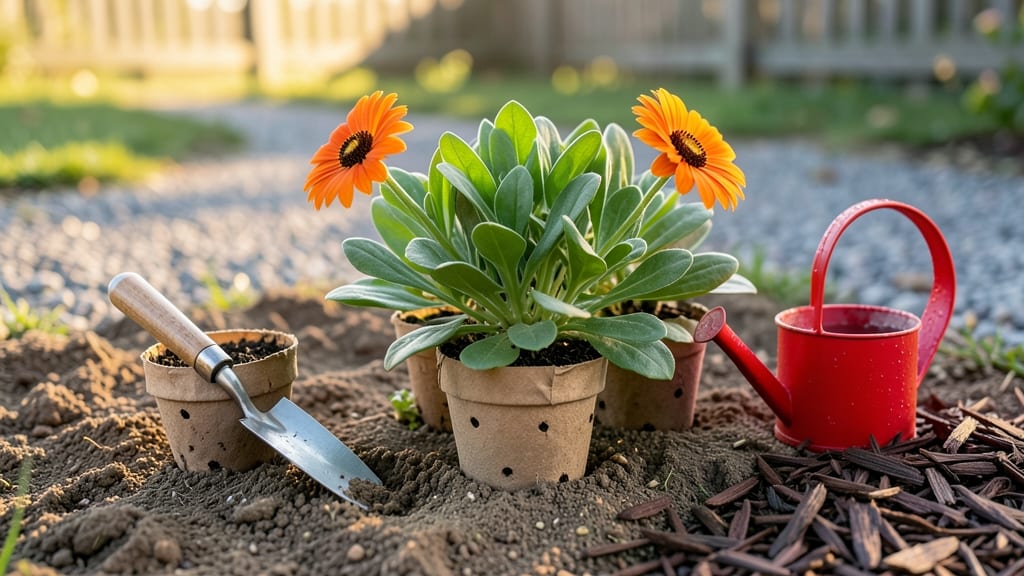
Planting gazania transforms your sunny garden into a vibrant explosion of color that refuses to quit—even when other flowers wilt in the heat. 🌞 These drought-tolerant beauties thrive in full sun and poor soil, making them the perfect low-maintenance choice for hot, dry climates.
The secret lies in their shallow roots and quick growth: plant them too deep, and you’ll smother their natural resilience. Most gardeners overlook soil prep, but gazania rewards loose, well-draining soil mixed with a little sand or gravel.
A handful of compost at planting time gives them a gentle boost without risking soggy roots. Space them 12-18 inches apart—closer for borders, wider for full sun exposure—and they’ll spread into lush, mounded displays by summer’s end.
The key? Don’t water them after planting unless your area gets extreme heat; their roots need to establish before they’ll drink deeply. By late spring, you’ll see those first bright blooms opening at dawn and closing by afternoon—nature’s built-in shade mechanism.
They’ll keep flowering until frost, with minimal care beyond occasional deadheading. The only real mistake? Planting them in shade or heavy clay; everything else, they handle with surprising ease. Works in borders, containers, or even rocky slopes—just give them sun and space.
Here’s how to get them growing strong from day one.
📚 In This Guide
- What you need
- Instructions
- Tips and common mistakes
- Wrapping up and next steps
What you need
- ● Gazania plants: Seeds: 1–2 packets (50–100 seeds per packet, depending on variety)
- ● OR
- ● Transplants: 3–6 healthy seedlings (check for sturdy stems and vibrant leaves)
- ● OR
- ● Cuttings: 3–5 healthy stem cuttings (4–6 inches long, with at least 2–3 leaf nodes)
- ● Well-draining soil: 1–2 cubic yards (or enough to fill your planting area to 6–8 inches deep). Mix in: 50% potting soil or garden soil
- ● 30% perlite or coarse sand (for drainage)
- ● 20% compost or peat moss (for nutrients)
- ● Containers or garden bed: For seeds: Seed trays (50+ cells) or small pots (3–4 inches deep)
- ● For transplants/cuttings: Containers (6+ inches deep) or garden beds with full sun exposure (6+ hours/day)
- ● Required: Garden trowel or small hand shovel
- ● Watering can or hose with a gentle spray nozzle
- ● Gloves (gardening or work gloves)
- ● Measuring tape or ruler (for spacing)
- ○ Optional (but helpful!): Mulch (straw or gravel, to retain moisture and suppress weeds)
- ● Slow-release fertilizer (10-10-10 or balanced formula, 1 tbsp per plant)
- ● Plant markers (to label varieties if growing multiple types)
- ● Pruning shears (for trimming spent blooms or cuttings)
- ● Climate: Plant after the last frost (gazanias love heat—ideal temps: 70–90°F/21–32°C). Avoid planting in freezing conditions.
- ● Sunlight: Full sun (6+ hours of direct sunlight daily). No shade allowed!
- ● Watering schedule: Keep soil consistently moist (but not soggy) until established, then water deeply 1–2 times per week.
- ● Spacing: Seeds: 12–18 inches apart
- ● Transplants/Cuttings: 12–18 inches apart (or 6–9 inches for bushier varieties)
Step-by-step instructions for planting gazania
Here's how to get these heat-loving beauties thriving in your garden with minimal fuss.
🪴 Step 1: Choose the Right Location and Prepare the Soil
Gazania loves full sun—at least 6-8 hours daily. Pick a spot with southern or western exposure where they’ll get maximum light. These plants wilt dramatically in shade, so avoid areas with afternoon shade or dappled light. I always test the site by watching how other sun-loving plants perform there first.
Loosen the soil to a depth of 12 inches with a garden fork or tiller. Gazania roots need good drainage, so if your soil feels heavy or clay-like, mix in 2-3 inches of compost or coarse sand to improve aeration. The goal is loose, well-draining soil that mimics their natural sandy, arid habitat.
🌱 Step 2: Plant at the Correct Depth and Spacing
Dig holes just slightly larger than the root ball of your gazania plants. For containers, remove them from their pots and gently tease apart any circling roots. Plant so the top of the root ball sits just below soil level—burying too deep can cause rot, while planting too shallow leaves the base exposed and prone to drying.
Space plants 12-18 inches apart for a full, lush display. I like to arrange them in clusters of three or five for a natural, abundant look. Water lightly after planting to settle the soil, but don’t drown the roots—gazania hates soggy conditions. The first few days are critical; keep the soil lightly moist until you see new growth.
☀️ Step 3: Water and Mulch for Optimal Growth
Water gazania deeply but infrequently—once a week during the first month, then only when the top 1-2 inches of soil feel dry. These plants store water in their thick leaves, so overwatering leads to rot. I use a soaker hose or drip irrigation to deliver water directly to the roots without wetting the foliage, which reduces disease risk.
Apply a 2-inch layer of mulch around each plant, keeping it 2 inches away from the stem to prevent rot. Use coarse mulch like pine bark or gravel—organic mulches can compact and retain too much moisture. Mulching helps regulate soil temperature and keeps roots cool in the heat, which gazania appreciates.
✂️ Step 4: Maintain and Encourage Continuous Blooms
Deadhead spent blooms regularly by pinching off the faded flowers with your fingers or clean scissors. This encourages the plant to produce more buds and extends the blooming season. I do this every 2-3 days during peak bloom time, usually late morning when the flowers are dry and dewy.
Fertilize lightly every 4-6 weeks with a balanced, water-soluble fertilizer diluted to half strength. Too much fertilizer leads to lush foliage but fewer flowers. I switch to a low-phosphorus formula in late summer to keep blooms vibrant without promoting excessive leaf growth. Gazania thrives on neglect, so don’t overdo it.
🌿 Step 5: Prepare for Winter and Overwintering
Gazania is an annual in most climates, but if you live in a mild winter zone (USDA zones 9-11), you can coax them to return next year. Once temperatures drop below 50°F at night, the plants will go dormant. Cut back the foliage to 1 inch above the soil and reduce watering to keep the soil barely moist.
In colder zones, treat gazania as a summer annual and enjoy their vibrant blooms while they last. Save seeds from your healthiest plants by letting a few flowers go to seed in late summer. Store the seeds in a cool, dry place until next spring. Their bright, cheerful faces are worth the temporary goodbye!
Tips & tricks for perfect gazania planting
Common pitfalls—and how to sidestep every one when growing these sun-loving stars.
Sunlight Secret: Those 6-8 hours of daily sun are non-negotiable, but here's the thing: morning sun with afternoon shade can still work in hotter climates. If your gazania starts wilting by midday, consider providing light afternoon shade during peak summer heat (especially in zones 8 and above). I've seen gazania thrive with 5 hours of direct morning sun + 3 hours of filtered afternoon light—just monitor their response and adjust.
The Soil Test: Before amending your soil with 2-3 inches of compost or coarse sand, do this quick check: grab a handful of damp soil and squeeze it. If it holds its shape like a brick, you need more sand. If it crumbles easily, your drainage is already good. Gazania roots hate soggy conditions, so never skip the drainage test—it's the #1 reason these plants fail.
Watering Wisdom: That first month's once-a-week watering can be tricky—overwatering is the silent killer. Here's my trick: stick your finger 1-2 inches deep into the soil. If it feels dry, water deeply until it runs out the bottom of the pot or drainage holes. If it's still moist, wait another day. I've lost count of how many gazania plants I've drowned trying to keep them "happy."
Deadheading Timing: Those 2-3 days between deadheadings during peak bloom might seem frequent, but here's why it works: gazania produces flowers on long stems that grow from the base. By removing spent blooms early in the morning, you're signaling the plant to focus energy on new buds rather than seed production. Pro tip: use clean, sharp scissors to avoid damaging the stem—your plants will thank you with bigger, brighter blooms.
Pro Tips for Plant Gazania
- Common pitfalls—and how to sidestep every one when growing these sun-loving stars.
- Sunlight Secret: Those 6-8 hours of daily sun are non-negotiable, but here's the thing: morning sun with afternoon shade can still work in hotter climates.
- The Soil Test: Before amending your soil with 2-3 inches of compost or coarse sand, do this quick check: grab a handful of damp soil and squeeze it.
Frequently asked questions
Got questions about growing gazanias? You’re not alone! Here are answers to the most common queries—from timing to troubleshooting—to help you cultivate vibrant blooms with confidence.
When is the best time to plant gazanias?
Plant gazanias after the last frost in spring (when soil temps hit 60°F+) or in early summer. They’re heat-loving annuals, so avoid planting in fall—they won’t survive winter frosts. For containers, you can start seeds 6-8 weeks before the last frost indoors under grow lights.
How often should I water gazanias?
Water gazanias deeply but infrequently—about once a week (or when the top inch of soil is dry). Overwatering causes root rot, while underwatering leads to wilting. Pro tip: Mulch around plants to retain moisture and discourage weeds, but keep mulch 2 inches away from stems to prevent rot.
What pests or diseases commonly affect gazanias?
Gazanias are generally pest-resistant, but watch for aphids, spider mites, or slugs. Treat aphids with a strong spray of water; for slugs, use beer traps or diatomaceous earth. Powdery mildew can occur in humid conditions—improve airflow and avoid overhead watering. Preventative tip: Space plants 12-18 inches apart for better circulation.
Can gazanias grow in containers or hanging baskets?
Gazanias thrive in containers with well-draining soil and at least 6-inch-deep pots. Use a mix of potting soil and perlite (or sand) to prevent soggy roots. For hanging baskets, choose trailing varieties like ‘Gazania rigens’ and water from the bottom to avoid stem rot.
Do gazanias come back every year, or are they annuals?
In most climates, gazanias are tender annuals—they die back with frost. However, in USDA Zones 10-11 (warm winters), they may self-seed or return as perennials. To extend their life, cut back dead blooms and enjoy their colorful displays until cold weather arrives.
How can I encourage more blooms on my gazanias?
Deadhead spent flowers regularly to prompt new blooms. Also, ensure they get full sun (6+ hours daily) and fertile, well-draining soil. Feed with a balanced liquid fertilizer (10-10-10) every 4-6 weeks during the growing season. Bonus tip: Pinch back leggy stems to encourage bushier growth!
Wrapping up and next steps
Planting gazanias is a rewarding way to add vibrant color to your garden while embracing low-maintenance beauty! With the right sunny spot, well-draining soil, and a little patience, these cheerful blooms will flourish and brighten up your outdoor space. 🌞
Now that you’re ready to plant, take the next step—grab your gardening tools and start creating your own sunny oasis! Whether you’re a beginner or a seasoned gardener, gazanias are the perfect addition to any heat-loving garden.