
Planting
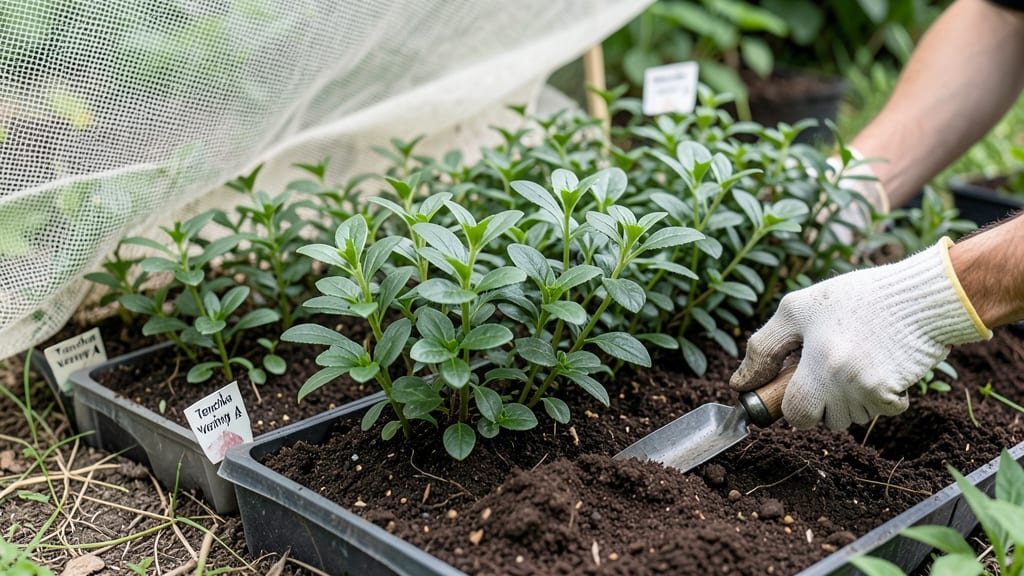
Growing matcha at home means sipping your own shade-grown tea leaves in just two months. 🌿 I’ve tried growing Camellia sinensis—the plant behind matcha—and while it’s not as simple as growing herbs, it’s absolutely doable in the right conditions.
The key? Mimicking the cool, shaded environments where commercial matcha thrives.
Matcha demands humid, acidic soil (think pH 5.0–6.0) and dappled shade—full sun will scorch the delicate leaves. Start with a young plant (not seeds, unless you’re patient) and plant in spring after the last frost.
Space plants 6–8 feet apart to allow airflow and future pruning for tea production. Water consistently—never let the soil dry out, but avoid soggy roots.
By 60 days, you’ll see tender new growth perfect for harvesting. The real art comes in pruning: pinching back new shoots to encourage bushier growth (and more leaves).
It’s not instant gratification, but the first taste of homegrown matcha—bright, vibrant, and packed with umami—makes every step worth it.
Yes, commercial matcha comes from Japan’s shaded groves, but hobbyists in USDA Zones 7–9 can grow it too. The biggest hurdle? Patience. Matcha plants take years to mature fully, but even young plants yield enough leaves for a few cups of tea.
Start small, protect those leaves, and you’ll be steeping your own matcha in no time.
📚 In This Guide
- What you need
- Instructions
- Tips and common mistakes
- Wrapping up and next steps
What you need
- ● Matcha seeds or seedlings: 3–5 organic Camellia sinensis seeds (preferably Camellia sinensis var. assamica for matcha quality) OR
- ● 1–2 healthy matcha seedlings (aged 6+ months, disease-free).
- ● Well-draining soil: 5–10 lbs of acidic, nutrient-rich potting mix (pH 5.5–6.5). Mix with 20% perlite or sand for aeration.
- ● Containers: 2–3 6–8 inch nursery pots (with drainage holes) OR a 12-inch raised bed for seedlings.
- ● Watering can or spray bottle (with a fine mist nozzle).
- ● Fertilizer: Balanced organic fertilizer (e.g., 10-10-10) OR compost tea (for seedlings).
- ● Humidity dome or plastic wrap (to retain moisture during germination).
- ● Grow lights or sunny windowsill: 12–16 hours of indirect light daily (LED grow lights work if natural light is insufficient).
- ● Pruning shears (sterilized, for shaping plants).
- ● Soil moisture meter (to avoid over/under-watering).
- ● Shade cloth (30–50% coverage for young plants in harsh sun).
- ● Epsom salt (1 tsp/month in water for magnesium boost).
- ● Pest control spray (neem oil or insecticidal soap).
- ● Journal or app (to track growth stages and harvest dates!).
Step-by-step instructions for growing matcha plants
Ready to cultivate your own vibrant matcha plants? Here’s how to nurture them from seed to harvest in just 60 days.
🌱 Step 1: Select and Prepare Seeds for Germination
Matcha comes from the Camellia sinensis plant, specifically the shade-grown variety Tencha. Start with organic, non-GMO seeds or young plants from a reputable nursery. Soak the seeds in lukewarm water for 12 hours to soften the outer shell—this speeds up germination. Place them between damp paper towels in a sealed container for 3-5 days until tiny white roots appear.
Use a sterile seed-starting mix (not garden soil) in 3-inch pots to avoid damping-off. Fill each pot halfway, then plant 1-2 seeds per container at a depth of ¼ inch. Cover lightly with more mix—don’t press down, as matcha roots prefer loose soil. Mist the surface with water until damp but not soggy.
☀️ Step 2: Provide Ideal Light and Temperature for Sprouting
Matcha seedlings thrive in warmth (65-75°F) and bright, indirect light. Place pots under a grow light (12-14 hours daily) or near an east-facing window. Avoid direct sun, which can scorch delicate leaves. If using a heat mat, maintain 70-75°F soil temperature—this ensures steady germination in 7-14 days. You’ll know it’s working when first true leaves (not the initial cotyledons) emerge.
Once sprouts appear, remove the grow light cover (if used) and increase airflow by placing a small fan 6 inches away for 2 hours daily. This strengthens stems and prevents leggy growth. Watch for yellowing leaves—this signals overwatering or poor drainage. Adjust watering so the top ½ inch of soil feels dry before moistening again.
🌿 Step 3: Transplant and Train for Shade Adaptation
After 4-6 weeks, when seedlings show 4-6 true leaves, transplant them into 5-gallon containers (or larger) with well-draining potting mix. Matcha plants need deep roots, so dig a hole twice as wide as the root ball and 1 inch deeper to encourage downward growth. Gently firm soil around the base but avoid compacting.
Here’s the key: matcha thrives in shade (30-50% sunlight). Move plants to a north-facing window or under 50% shade cloth for 2 weeks to acclimate. Gradually increase shade over 7 days to prevent sunburn. You’ll see darker green, glossy leaves as they adapt—this is your cue that they’re ready for full shade.
💧 Step 4: Maintain Moisture and Fertility for Harvest
Matcha plants need consistent moisture—water when the top 1 inch of soil feels dry, aiming for 1 inch of water per week. Use a drip irrigation system or water at the base to avoid wetting leaves (this prevents fungal diseases). Fertilize every 4 weeks with a balanced organic fertilizer (10-10-10) diluted to half strength. Avoid high-nitrogen feeds, which promote leaf growth over flavor development.
By 60 days, your plants should be 2-3 feet tall with lush, vibrant leaves. This is when you can begin harvesting young shoots (the first flush). Use clean, sharp scissors to cut 2-3 inches from the top, leaving lower leaves intact to encourage regrowth. Avoid harvesting more than ⅓ of the plant at once—this ensures a steady supply.
✂️ Step 5: Prune and Prepare for Future Harvests
After the first harvest, prune any yellow or damaged leaves to redirect energy to new growth. Pinch back new shoots to encourage bushier plants. Matcha thrives with regular pruning, so trim 1-2 inches from the tips every 4-6 weeks during the growing season. This maintains compact growth and improves leaf quality for future harvests.
To extend the season, move pots indoors before frost (matcha is not frost-tolerant). Place them under grow lights for 12 hours daily and reduce watering slightly. With proper care, your plants can produce 2-3 harvests per year, yielding enough leaves for homemade matcha powder or fresh tea.
Tips & tricks for growing matcha plants
Here's what I wish I knew before starting my own matcha garden—these tricks will help you avoid common pitfalls and grow healthier plants.
Germination Secret: Don't rush the 12-hour soak—this is when the seed's protective shell softens enough for roots to emerge. I learned the hard way that cutting this short leads to weak sprouts. After soaking, place seeds between two layers of damp paper towels in a sealed container. The key is maintaining consistent moisture without creating a soggy environment—think of it like a damp spa for your seeds.
Temperature Matters: Maintaining that 70-75°F soil temperature during germination is non-negotiable. If your space runs cooler, consider using a seedling heat mat underneath the pots. I've seen germination times double when seeds are kept below 65°F. Once sprouts appear, the 65-75°F air temperature range becomes crucial for healthy growth—this is when those first true leaves develop properly.
Transplanting Technique: When moving your seedlings to 5-gallon containers after 4-6 weeks, focus on the root ball rather than the leaves. Matcha roots are delicate, so handle them like you would a fragile piece of pottery. The twice-as-wide hole isn't just for aesthetics—it encourages roots to grow outward, creating a stronger plant structure. After transplanting, give your plants a week to recover before introducing them to their final shade conditions.
Shade Adaptation Strategy: The 2-week acclimation period under 50% shade cloth is where many growers fail. I recommend starting with 70% shade for the first 3 days, then gradually reducing to 50% over the next week. This slow transition prevents sunburn and helps leaves develop that signature glossy finish. Watch for leaves that perk up and darken—this visual cue means your plants are adapting perfectly.
Pro Tips for Plant Matcha
- Here's what I wish I knew before starting my own matcha garden—these tricks will help you avoid common pitfalls and grow healthier plants.
- Germination Secret: Don't rush the 12-hour soak—this is when the seed's protective shell softens enough for roots to emerge.
- Temperature Matters: Maintaining that 70-75°F soil temperature during germination is non-negotiable.
Frequently asked questions
Got questions about growing your own matcha? You’re not alone—here are some of the most common queries (and answers!) to help you cultivate a thriving crop.
Can I grow matcha indoors?
While matcha thrives outdoors in partial shade, you can try growing it indoors near a bright window or under grow lights. However, indoor matcha may not reach the same quality or yield as outdoor plants. If you’re committed, use a humidity tray and rotate the pot daily for even light exposure.
How long does it take to harvest matcha leaves?
With proper care, you can harvest your first matcha leaves in about 60–90 days after planting. Young leaves (the first flush) are the most tender and flavorful. Prune the top 2–3 inches of stems when leaves are 4–6 inches long for the best results.
What if my matcha plant turns yellow?
Yellowing leaves (chlorosis) usually mean overwatering, nutrient deficiency, or poor drainage. Check your soil—it should stay slightly moist but not soggy. Amend with organic compost or a balanced fertilizer (like fish emulsion) if leaves look pale or wilted.
Can I use regular green tea seeds for matcha?
No—matcha comes from Camellia sinensis var. assamica, a specific cultivar bred for shade-grown, powdered leaves. Regular green tea seeds won’t produce matcha-quality leaves. Stick to certified matcha plants or cuttings from a trusted nursery for the real deal.
Does matcha need full sun?
Matcha prefers partial shade (4–6 hours of morning sun, then dappled shade). Too much direct sun can stress the plant, leading to bitter leaves. In hot climates, use a sheer curtain or shade cloth (30–50%) to protect your plants.
Wrapping up and next steps
Growing your own matcha isn’t just rewarding—it’s empowering! 🌱 With the right shade, soil, and care, you’ll be sipping homegrown matcha in just 60 days. Remember: patience and consistency are key, but the payoff—fresh, vibrant leaves—is worth every effort.
Ready to take the next step? Start small—grow a few plants in containers to refine your technique, then expand your matcha garden. Happy growing, and may your harvest be lush! ☕✨