
Planting
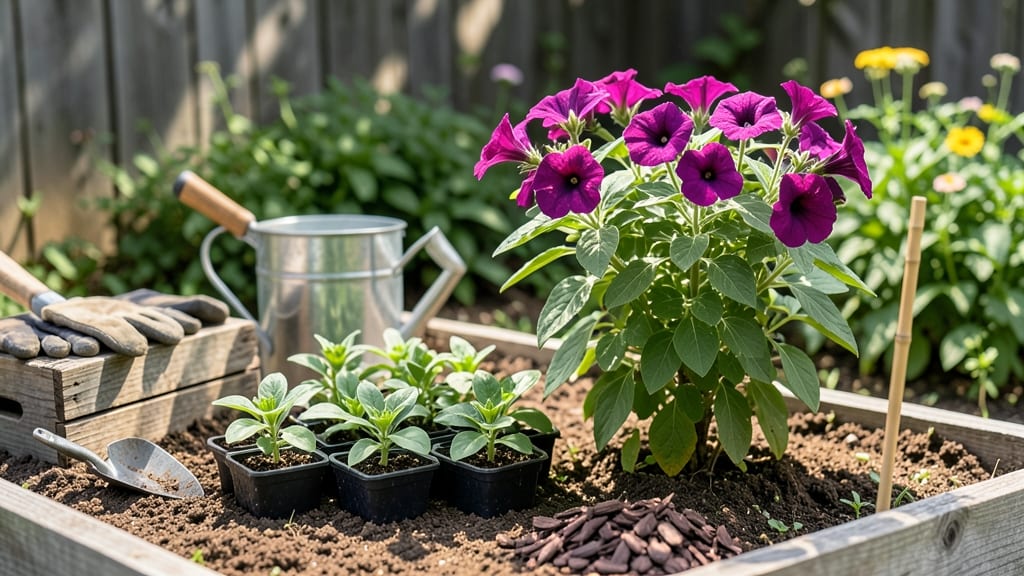
Planting Mexican petunias means sun-loving, drought-tolerant blooms that outshine most annuals in summer heat. 🌿 I learned the hard way—my first attempt failed because I treated them like shade-loving petunias. These plants crave full sun and well-draining soil, or they’ll flop faster than a wilting marigold.
The secret to success starts with 6-8 hours of direct sunlight and soil that drains like a sieve. Amend heavy clay with compost or sand, and space plants 12-18 inches apart—they spread wider than they grow tall.
Dig holes just deep enough to bury the roots without burying the stem crown. Within 3-4 weeks, you’ll see those signature purple trumpet blooms opening daily, often all year in warm climates. The flowers are drought-resistant once established, so once they’re rooted, watering becomes a low-maintenance task.
For best results, plant in early spring after the last frost or in fall for a winter display in mild zones. Avoid overwatering—they hate soggy roots—and watch for spider mites if your air gets dry. Here’s how to get them thriving!
📚 In This Guide
- What you need
- Instructions
- Tips and common mistakes
- Wrapping up and next steps
What you need
- ● Mexican petunia seeds or seedlings: 10–20 seeds (or 3–5 seedlings) per plant, depending on desired coverage. Opt for Ruttya fruticosa for the classic look.
- ● Well-draining potting mix or garden soil: 1–2 bags (1–2 cubic feet each) amended with compost (50% soil, 50% compost for optimal drainage).
- ● Containers or garden bed: For containers: 5–10 gallon pots (1–2 plants per pot) with drainage holes.
- ● For garden beds: A sunny spot with at least 6 hours of direct sunlight and loose, sandy soil.
- ○ Slow-release fertilizer (optional but recommended): 1–2 tablespoons of 10-10-10 or 20-20-20 NPK fertilizer per plant (mixed into soil or applied at planting).
- ● Watering can or hose with a gentle spray nozzle: For even moisture without disturbing seeds.
- ● Garden trowel or small shovel: For digging holes (2–3 inches deep).
- ○ Gloves (optional): To protect hands while handling soil or seeds.
- ○ Mulch (optional): 1–2 inches of gravel or pine bark to retain moisture and deter weeds.
- ○ Plant labels (optional): To track varieties if mixing with other plants.
Step-by-Step instructions for planting Mexican petunias
Here's how to get those vibrant, heat-loving blooms thriving in your garden with minimal fuss.
🪴 Step 1: Choose the Perfect Location and Soil
Mexican petunias demand full sun—at least 6-8 hours daily—so scout your yard for the sunniest, warmest spot. I always test a location by placing a white plate where I plan to plant; if it stays hot to the touch by mid-afternoon, it's ideal. These plants hate soggy feet, so avoid low-lying areas where water pools.
Amend your native soil with 2-3 inches of compost to improve drainage and fertility. Mexican petunias tolerate poor soil better than most, but they'll reward you with bigger blooms if the ground is loose and crumbly. Work the compost into the top 6 inches of soil, breaking up any compacted layers. If your soil drains poorly, mix in a handful of perlite per planting hole to create air pockets.
🌱 Step 2: Plant at the Right Time and Depth
Wait until after your last frost date and when soil temperatures reach at least 60°F—these plants won't tolerate cold. I test soil temperature with a simple thermometer; if it's cooler, wait a week or two. Dig holes twice as wide as the root ball but only as deep as the container they came in—planting too deep suffocates the roots.
Gently remove each plant from its container, loosening any circling roots with your fingers. Place it in the hole so the top of the root ball sits ½ inch below soil level. The reason for this slight burial is to prevent stem rot from overhead watering. Backfill with native soil mixed with a handful of compost, then tamp lightly to eliminate air pockets. Space plants 12-18 inches apart for optimal airflow and bloom production.
💧 Step 3: Water Deeply and Establish a Routine
After planting, water immediately with 1 gallon per plant to settle the soil and encourage root spread. Let the water soak in completely—you'll see it drain from the bottom of the hole. For the first 2 weeks, water daily in the morning, giving each plant enough to moisten the soil 6 inches deep. You'll know you've watered enough when excess begins to pool on the surface.
Once established, Mexican petunias are drought-tolerant, but they'll bloom best with 1 inch of water weekly. I use a soaker hose set to low for 20 minutes per plant—this delivers consistent moisture without wetting the foliage, which reduces disease risk. Water at the base rather than overhead to keep blooms dry and lasting longer. Mulch with 2 inches of shredded bark after planting to retain moisture and suppress weeds.
☀️ Step 4: Feed and Maintain for Continuous Blooms
Start fertilizing 4-6 weeks after planting with a balanced 10-10-10 or 20-20-20 formula applied every 2-3 weeks during the growing season. Mexican petunias are heavy feeders, so don't skimp—these plants reward heavy fertilization with nonstop blooms. I dissolve the fertilizer in water and apply it directly to the soil (never on leaves) to avoid burning the foliage.
Deadhead spent blooms regularly by pinching off flowers just above the next set of leaves. This encourages more blooms and prevents the plant from putting energy into seed production. I do this every 3-4 days during peak bloom season—it takes about 5 minutes per plant. Watch for powdery mildew on leaves if humidity is high; if you see white fuzzy spots, treat immediately with neem oil or a fungicide to protect the plant's vigor.
✂️ Step 5: Prune and Overwinter for Next Season
By mid-fall, when nights cool below 50°F, Mexican petunias start slowing down. Cut back stems by ⅓ to encourage bushier growth for next year. I use clean, sharp pruners to make cuts just above a set of leaves. Remove any yellow or diseased foliage immediately to prevent winter diseases from taking hold.
In colder climates (below Zone 9), dig up tubers in late fall, shake off soil, and store them in a cool, dry place (40-50°F) until spring. In warmer zones, mulch heavily with 4-6 inches of straw to protect roots from freezing. I label each plant with a stake so I remember where they're located—these tubers are perennial in warm climates and will return bigger and bolder each year with proper care.
Tips & tricks for perfect Mexican petunia planting
Here's what I've learned from years of growing these sun-loving beauties—tricks that'll make your Mexican petunias thrive without the guesswork.
Location Test: That white plate trick in Step 1 is a game-changer. I've found that if the plate stays warm to the touch by mid-afternoon, your Mexican petunias will get the full sun exposure they crave. These plants can handle heat better than most, but they need that intense sunlight to produce those bold, vibrant blooms. If you're in a hot climate, consider using shade cloth during the hottest part of the day to prevent leaf scorch while still giving them plenty of sunlight.
Soil Prep Secret: When amending your soil with the 2-3 inches of compost in Step 1, I recommend mixing in a handful of coarse sand or perlite for every planting hole if your soil is particularly heavy. This creates tiny air pockets that help prevent root rot, which is especially important for Mexican petunias that hate soggy feet. The goal is to create a loose, crumbly texture that mimics their native dry, well-drained environments.
Planting Depth Visual: That ½-inch below soil level in Step 2 can be tricky to judge. Here's my tip: Use a pencil to mark the depth on the container before removing the plant. When you're placing it in the hole, aim to have that pencil line just below the soil surface. This slight burial prevents stem rot from overhead watering while keeping the plant stable. Too deep, and you'll suffocate those roots we worked so hard to loosen.
Watering Hack: For that 1 gallon per plant watering in Step 3, I like to use a watering can with a long spout or a small hose with a gentle spray nozzle. This lets me direct water right to the base of the plant without wetting the foliage. Wet leaves can lead to fungal issues, and since Mexican petunias are heavy bloomers, you want to keep those leaves as dry as possible. The soaker hose method mentioned works great too—just make sure it's delivering water slowly and evenly for those 20 minutes per plant.
Pro Tips for Plant Mexican Petunias
- Here's what I've learned from years of growing these sun-loving beauties—tricks that'll make your Mexican petunias thrive without the guesswork.
- Location Test: That white plate trick in Step 1 is a game-changer.
- Soil Prep Secret: When amending your soil with the 2-3 inches of compost in Step 1, I recommend mixing in a handful of coarse sand or perlite for every planting hole if your soil is particularly heavy.
Frequently asked questions
Got questions about growing Mexican petunias? You’re not alone! These heat-loving beauties are easy to grow but do have a few quirks. Here are some of the most common questions—and quick answers—to help you plant with confidence.
When is the best time to plant Mexican petunias?
Plant them after the last frost when soil temperatures stay above 60°F (15°C). In warm climates (Zones 9-11), you can plant as early as February or March. In cooler regions, wait until late spring or early summer to avoid frost damage. They thrive in full sun, so choose a spot that gets 6+ hours of direct sunlight daily.
Can Mexican petunias survive winter?
Unfortunately, no—they’re annuals in most climates. If you’re in Zone 8 or warmer, they might return if protected from frost. In colder areas, treat them as summer-only plants and replant seeds or transplants each year. For year-round color, pair them with perennials like lantana or portulaca.
How often should I water Mexican petunias?
Water them deeply 2-3 times per week during hot, dry spells, but avoid soggy soil—they hate "wet feet." Let the top inch of soil dry out between waterings. Mulch around the base (2-3 inches) to retain moisture and keep roots cool. Morning watering is best to prevent fungal issues like powdery mildew.
What pests or diseases should I watch for?
Keep an eye out for:
- Aphids (suck sap; spray with neem oil or water them off).
- Spider mites (tiny yellow dots; increase humidity or use insecticidal soap).
- Powdery mildew (white powder; improve airflow and avoid overhead watering).
- Root rot (yellow leaves; ensure well-draining soil and reduce watering).
Healthy plants resist pests better, so prioritize sunlight, spacing (12-18 inches apart), and proper drainage.
What can I plant with Mexican petunias for a fuller look?
Pair them with complementary heat-loving plants like:
- Lantana (butterfly magnet, drought-tolerant).
- Portulaca (moss rose) (succulent-like, thrives in poor soil).
- Zinnias (bright blooms, attracts pollinators).
- Sedum (stonecrop) (low-maintenance, trailing habit).
- Calibrachoa (million bells) (spiller plant, similar care).
Avoid shady or moisture-loving plants—they’ll compete for resources. For height contrast, try salvia or verbena.
Wrapping up and next steps
Planting Mexican petunias is a rewarding way to add vibrant color and low-maintenance beauty to your garden, especially in hot, sunny climates! 🌸 With the right soil, sun exposure, and a little patience, these bold bloomers will flourish—giving you months of stunning flowers with minimal effort.
Now that you’re armed with the key steps and pro tips, it’s time to roll up your sleeves and watch your garden transform.
Ready to get started? Pick a sunny spot, grab your petunias, and begin planting today! For extra inspiration, check out design ideas to create a showstopping display that’ll make your neighbors green with envy. 🌿✨