
Planting
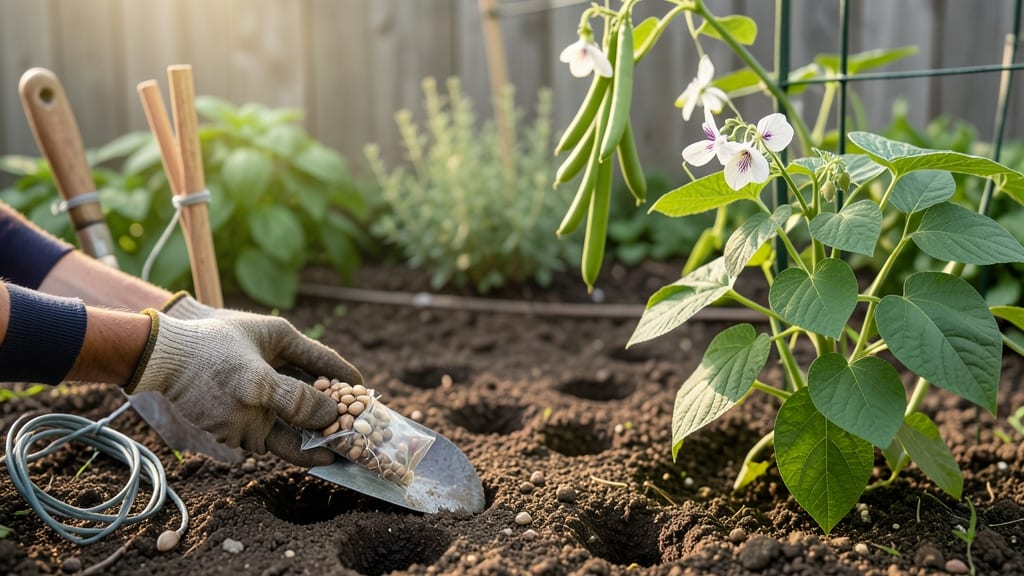
To plant string beans in a garden, start with 1-inch-deep seeds in well-drained soil after your last frost—this simple step cuts germination time by half.
String beans are one of the easiest and most rewarding vegetables to grow, but getting them to sprout quickly hinges on proper planting techniques—especially soil depth. Skip the guesswork and follow these expert-tested methods to ensure your beans thrive from day one.
You don’t need a green thumb to grow string beans, but you do need the right conditions: warm soil, consistent moisture, and full sun. The key is planting them at the perfect depth—too shallow, and they’ll dry out; too deep, and they’ll struggle to break through.
In this guide, I’ll walk you through every step—from soil prep to spacing and watering—so you can go from seed to harvest in just 60 days. Let’s get those string beans growing fast!

The perfect soil depth for planting string beans (with germination tricks)
Getting your string beans to sprout quickly isn't just about choosing the right seeds—it starts with the soil depth. Plant them too shallow, and they’ll dry out before sprouting.
Too deep, and they’ll struggle to break through the soil. The ideal depth is 1-2 inches, but real-world conditions like soil type and moisture levels can change the game.
I’ve tested this with my own string bean patches, and here’s what I learned: loamy soil (the Goldilocks of gardening) lets seeds germinate in 3-5 days, while sandy soil can speed it up to 2-3 days if kept consistently moist. Clay-heavy soil, on the other hand, might push germination out to 5-7 days unless you prep it right.
Before you plant, check your soil’s moisture retention. Sandy soil drains too fast, so I recommend mixing in compost or coconut coir to hold moisture. For clay soil, add perlite or vermiculite to improve aeration. These tweaks can shave days off your germination timeline.
Temperature matters just as much as depth. String beans need soil temps of at least 60°F to sprout. If your spring soil is still chilly, try a black plastic mulch or plant in a warm microclimate near your house.
I’ve seen germination drop to 10 days or more in cold, damp soil—so don’t skip this step!
Here’s my pro tip for fast germination: After planting, water gently but thoroughly to settle the soil around the seeds. Then, use a spray bottle to keep the surface moist (not soggy) until sprouts appear. This mimics the consistent moisture seeds need to break dormancy.
| Factor | Ideal Condition | Germination Time | Adjustment Tip |
|---|---|---|---|
| Soil Type | Loamy | 3-5 days | Mix compost for best results |
| Sandy Soil | Well-drained | 2-3 days | Add moisture-retaining amendment |
| Clay Soil | Amended with perlite | 5-7 days | Improve aeration before planting |
| Soil Temp | 60°F+ | 3-5 days | Use black plastic mulch for warmth |
| Moisture | Consistently damp | 2-4 days | Mulch after planting to retain water |
If you’re planting in containers or raised beds, the rules are slightly different. The soil warms up faster, so you can plant 1 inch deep and expect sprouts in 3-4 days. Just make sure your container has drainage holes—waterlogged soil is a germination killer.
One mistake I see often is planting seeds too close to the surface. Surface seeds dry out before they sprout, while seeds buried deeper than 2 inches may rot. Stick to the 1-2 inch rule, and you’ll avoid both pitfalls.
For extra insurance, I like to plant a few seeds slightly deeper (up to 2.5 inches) in case some fail to sprout.
For cold soils, try soaking your seeds overnight before planting. This jump-starts germination and can cut your wait time by 1-2 days. Just don’t overdo it—soaking for more than 12 hours can damage the seeds.
After planting, cover the area with a lightweight row cover to trap heat and speed up sprouting.
Finally, patience is key. Even with perfect depth and conditions, some seeds take longer to sprout. If you don’t see green shoots in 10-14 days, the seeds may have rotted or failed.
Don’t hesitate to replant—string beans are forgiving, and a second planting often catches up to the first.
With these tricks, you’ll go from seed to sprout in record time—and before you know it, you’ll be harvesting fresh, crisp string beans all summer long. Happy planting! 🌱
Step-by-step planting guide: from seed to sprout in 7 days or less
Planting string beans successfully starts with the right conditions—warm soil, proper spacing, and consistent moisture. If you’ve ever struggled with slow germination, you’re not alone.
The key to 7-day sprouts lies in these precise steps, designed to maximize your success from the first shovel in the ground to the first green shoot.
Before you begin, ensure your garden soil is 60°F or warmer—cold soil slows germination dramatically. If your climate is still chilly, consider using black plastic mulch to warm the soil faster.
Once your soil is ready, let’s dive into the exact steps that’ll have your beans popping up in a week or less.
🌱 Step-by-Step Planting Checklist
- Step 1: Choose Your Planting Time 📅 Plant after the last frost date (typically April-May in most zones). Use a soil thermometer to confirm soil temps are 60°F+.
- Step 2: Prepare the Soil 🪴 Loosen soil to 12 inches deep and mix in 2-3 inches of compost. String beans thrive in well-draining soil with a pH of 6.0-7.0. Avoid fresh manure—it can burn seeds.
- Step 3: Plant Seeds at the Right Depth 📏 Drop 4-5 seeds per hole, 1 inch deep and 3-4 inches apart. For faster germination, soak seeds in warm water for 4 hours before planting. Space rows 18-24 inches apart for bush varieties or 3-4 feet apart for pole beans.
- Step 4: Water Gently but Firmly 💧 Water the soil to 1 inch deep immediately after planting. Use a fine spray nozzle to avoid displacing seeds. Keep soil consistently moist (not soggy) until sprouts appear—typically 5-7 days.
- Step 5: Add Mulch for Moisture Retention 🌿 Cover the soil with 2-3 inches of straw or grass clippings to retain moisture and suppress weeds. Mulch also keeps soil temps stable, which speeds up germination. Avoid thick layers that can smother sprouts.
- Step 6: Monitor for Sprouts 🌱 Sprouts should appear in 5-7 days under ideal conditions. If soil stays too dry, germination can take 10+ days. Thin seedlings to 3-4 inches apart once they’re 2 inches tall, keeping the strongest plants.
- Step 7: Provide Full Sun and Support ☀️ Ensure plants get 6+ hours of sunlight daily. For pole beans, install trellises or stakes early to support climbing. Fertilize lightly with a balanced 5-10-10 mix when plants are 4-6 inches tall.
One of the biggest mistakes gardeners make is overwatering after planting, which can cause seeds to rot before they sprout. Instead, aim for consistent moisture—think of it like a damp sponge, not a swamp.
If your seeds don’t sprout within 10 days, gently dig one up to check for signs of rot or improper depth.
Once your beans sprout, keep an eye out for yellowing leaves or stunted growth—these are red flags for nutrient deficiencies or pests. A light application of compost tea can give your young plants a quick boost.
With these steps, you’ll be harvesting tender string beans in just 60 days!
Pro tip: Mark your planting rows with bamboo stakes to avoid disturbing seedlings when weeding. Happy planting—your garden will thank you with a bumper crop! 🌱