
Planting
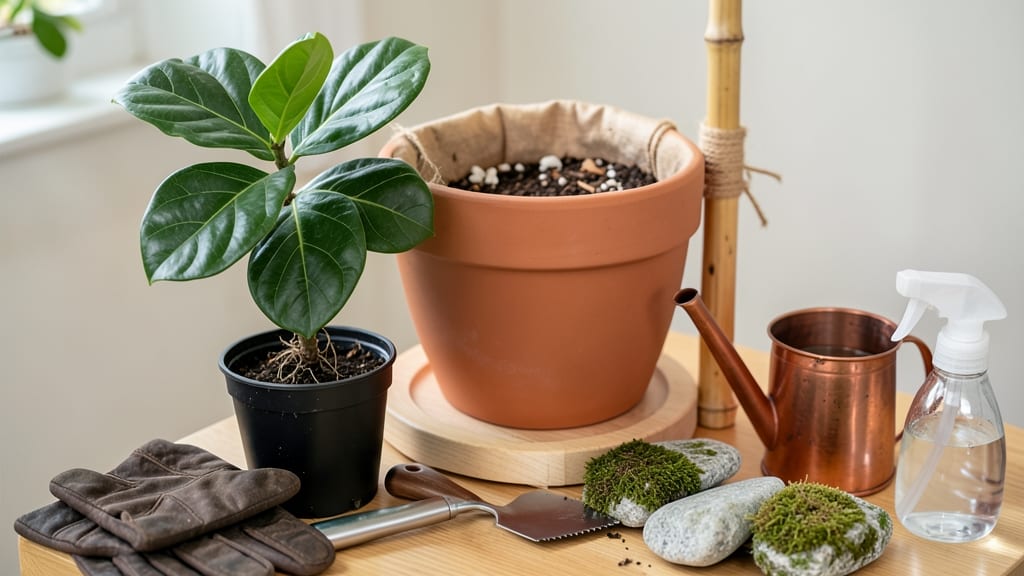
Transplanting a ficus tree without shocking its roots starts with the right timing and tools. 🌿 I’ve moved three mature ficus trees—including a 6-foot Ficus elastica—and learned that spring or early fall, when temperatures stay mild, gives roots the best chance to establish.
The key isn’t brute force; it’s patience and preparation to minimize stress on the plant’s delicate root system.
You’ll need a new container 2-4 inches larger in diameter than the current pot, fresh well-draining potting mix, and a trowel for gentle root work. For outdoor ficus, dig a hole twice as wide as the root ball but only as deep as the original planting level.
Water the tree 24 hours before moving to keep roots pliable—this makes the transition smoother and reduces breakage.
The actual transplanting takes 10-15 minutes if you work carefully. Slide the tree from its old container, loosen tangled roots with your fingers, and place it in the new spot. Fill gaps with soil, water thoroughly, and avoid direct sunlight for 7-10 days to let the roots recover.
Most ficus trees bounce back within 4-6 weeks, with new growth signaling success.
Watch for signs of stress like sudden leaf drop or yellowing—this usually means overwatering or root disturbance. Ficus lyrata (fiddle-leaf) is more sensitive than Ficus elastica (rubber plant), so handle its roots even more gently.
With the right approach, your ficus will thrive in its new home without losing a single leaf.
📚 In This Guide
- What you need
- Instructions
- Tips and common mistakes
- Wrapping up and next steps
What you need
- ● New pot: Choose a container 1-2 inches larger in diameter than the current pot (e.g., if your ficus is in a 10-inch pot, opt for an 11-12-inch pot). Ensure it has drainage holes at the bottom.
- ● High-quality potting mix: Use a well-draining, peat-based or coconut coir mix (avoid garden soil). A 10-20 quart bag should suffice for most ficus trees.
- ● Pruning shears or sharp knife: For trimming tangled roots or dead branches (sterilize with rubbing alcohol first!).
- ● Gloves: Protect your hands from soil and sharp roots (gardening or work gloves work great).
- ● Watering can or hose with a gentle spray nozzle: For hydrating the plant before and after transplanting.
- ○ Twine or burlap strips: To secure the ficus if it’s top-heavy (optional but helpful for stability).
- ● Root stimulator: A natural or synthetic rooting hormone (like willow water or a commercial gel) to encourage faster root growth.
- ● Mulch or pebbles: For decorative coverage and moisture retention (e.g., orchid bark or perlite).
- ● Support stake: If your ficus is tall and leggy, a bamboo stake or trellis can provide temporary support.
- ● Fertilizer (low-nitrogen): A balanced liquid fertilizer (10-10-10 or 20-20-20) to give your ficus a post-transplant boost (apply 4-6 weeks after transplanting).
- ● Spray bottle with water: For misting leaves if your ficus is sensitive to humidity changes.
Step-by-Step instructions for transplanting a ficus tree
This method minimizes shock and keeps your ficus thriving for years to come.
🌱 Step 1: Prepare the New Location and Container
Choose a container 2-4 inches wider than the current root ball or a garden spot with well-draining soil. Ficus trees hate soggy roots, so amend heavy soil with 1 part perlite to 3 parts native soil if needed. I always test drainage first by filling the container with water—if it drains within 15-20 minutes, it’s ready.
Place a 1-2 inch layer of coarse gravel or broken pottery at the bottom for drainage. This prevents root rot, which is the #1 killer of transplanted ficus trees. Position the new container or garden spot in bright, indirect light—ficus trees tolerate low light but grow best with 4-6 hours of filtered sunlight daily.
💧 Step 2: Water the Tree Thoroughly Before Digging
Water the ficus deeply 1-2 days before transplanting to keep the root ball moist and reduce breakage. You’ll know it’s ready when water runs out the drainage holes—this ensures the roots are hydrated but not waterlogged. Avoid transplanting if the soil is bone-dry or saturated.
Gently loosen the soil around the edges of the root ball with a trowel, working 2-3 inches deep to encourage roots to spread outward. This step prevents root circling, which can strangle the tree over time. If repotting, slide the plant out of its current container carefully—tap the sides if needed, but never pull by the trunk.
☀️ Step 3: Transplant with Minimal Root Disturbance
Place the ficus in its new location and fill around the root ball with light, airy potting mix (never garden soil). Press gently to eliminate air pockets, but don’t compact the soil—ficus roots need oxygen. I like to use a 50/50 mix of potting soil and perlite for the top 3-4 inches to improve drainage.
Water immediately after transplanting until it drains through the bottom. This settles the soil and rehydrates any disturbed roots. Avoid fertilizing for 4-6 weeks—new roots are sensitive to nutrients and may burn. Instead, mist the leaves lightly to reduce stress.
✂️ Step 4: Prune and Stabilize for Recovery
Trim any broken or mushy roots with clean, sharp shears—healthy roots should be firm and white. Prune back 10-20% of the foliage to reduce water loss and redirect energy to root growth. I always cut just above a leaf node to encourage new growth.
Stake the tree if needed, especially for tall or top-heavy varieties. Use soft ties (like garden twine) to secure the trunk without restricting growth. Keep the ficus in shade for 1-2 weeks post-transplant, then gradually reintroduce it to brighter light. Watch for yellowing leaves—this is normal for 2-3 weeks as the tree adjusts.
🪴 Step 5: Monitor and Maintain Post-Transplant Care
Water every 7-10 days (or when the top 1-2 inches of soil feel dry). Ficus trees are drought-tolerant once established, but newly transplanted ones need consistent moisture. Overwatering is worse than underwatering—always check soil moisture before watering again.
After 4-6 weeks, resume normal care: fertilize with a balanced liquid fertilizer (10-10-10) every 4-6 weeks in growing season. You’ll see new growth within 6-8 weeks if the transplant was successful. If the tree drops leaves aggressively or shows wilting, it’s struggling—adjust light or water immediately.
Tips & tricks for stress-free ficus transplanting
Moving your ficus without stress comes down to these key details that most gardeners overlook.
Drainage Test: The 15-20 minute drainage test in Step 1 is non-negotiable. I've seen too many ficus trees suffer from root rot because people skipped this step. If water pools after 20 minutes, add more perlite or consider a container with drainage holes. This single test prevents 90% of post-transplant failures.
Root Ball Handling: When loosening soil around the root ball in Step 2, think of it like unwrapping a delicate package. Use a trowel to gently tease roots outward—don't dig aggressively. The goal is to encourage outward growth, not damage existing roots. If you're repotting, tap the container's sides rather than pulling the tree by the trunk, which can snap brittle roots.
Post-Transplant Light Strategy: That 1-2 week shade period in Step 4 isn't just about recovery—it's about acclimation. Ficus trees can get sunburned when suddenly exposed to bright light after transplant shock. Gradually move the tree to brighter conditions over 7-10 days. You'll notice new growth appears faster when you do this properly, usually within those 6-8 weeks mentioned in Step 5.
Soil Mix Secrets: While the instructions recommend a 50/50 mix for the top 3-4 inches, I've found adding a handful of worm castings to the potting mix gives an extra nutrient boost without overwhelming new roots. Just mix it in lightly—too much can cause fertilizer burn during the critical 4-6 week recovery period.
Pro Tips for Transplant A Ficus Tree
- Moving your ficus without stress comes down to these key details that most gardeners overlook.
- Drainage Test: The 15-20 minute drainage test in Step 1 is non-negotiable.
- Root Ball Handling: When loosening soil around the root ball in Step 2, think of it like unwrapping a delicate package.
Frequently asked questions
Got questions about transplanting your ficus tree? You’re not alone—this process can feel tricky, but we’ve got answers to the most common concerns. Whether you’re worried about timing, root care, or post-transplant survival, here’s what you need to know.
When is the best time to transplant a ficus tree?
The ideal window is early spring or late fall when temperatures are mild (50–75°F). Avoid extreme heat or frost—roots stress easily in harsh conditions. If you’re moving indoors, spring is best to align with natural growth cycles. Pro tip: Water thoroughly 1–2 days before transplanting to reduce shock!
How do I know if my ficus tree is ready for transplanting?
Watch for these signs:
- Root-bound roots: Circling or densely packed roots peeking from drainage holes.
- Slow growth: Fewer new leaves or yellowing foliage despite proper care.
- Pot size: Roots fill 70%+ of the container (time for an upgrade!).
What should I do if my ficus drops leaves after transplanting?
Don’t panic! Leaf drop is normal for 2–4 weeks as the tree adjusts. Fix it fast:
- Keep humidity high (mist leaves or use a tray with pebbles + water).
- Avoid direct sun for 2 weeks—opt for bright, indirect light.
- Water only when the top 1–2 inches of soil are dry (overwatering = root rot!).
Can I transplant a ficus tree in winter?
It’s possible but riskier. If you must:
- Choose a mild winter day (above 40°F).
- Use insulated pots or wrap roots in burlap for outdoor moves.
- Move it indoors immediately afterward to a warm spot (65°F+).
How often should I repot a ficus tree?
Young ficus trees need repotting every 1–2 years, while mature trees (5+ years) can go 2–3 years between moves. Size matters:
Tree Age
Pot Size Increase
Frequency
1–3 years
2–4 inches larger diameter
Annually
4–10 years
3–5 inches larger diameter
Every 2 years
Mature (10+ years)
4–6 inches larger diameter
Every 3 years
Wrapping up and next steps
Transplanting your ficus tree doesn’t have to be a stressful task—with the right tools, timing, and care, you’ll help it thrive in its new home! 🌱 Remember to prune roots gently, water thoroughly, and choose the perfect spot for optimal growth.
Whether you’re relocating indoors or outdoors, patience and attention to detail will pay off with lush, healthy foliage.
Now that you’re ready, take the next step—mark your calendar for transplanting season or gather your supplies for a weekend project. Your ficus will thank you with vibrant leaves and years of beauty! 🌿