
Planting
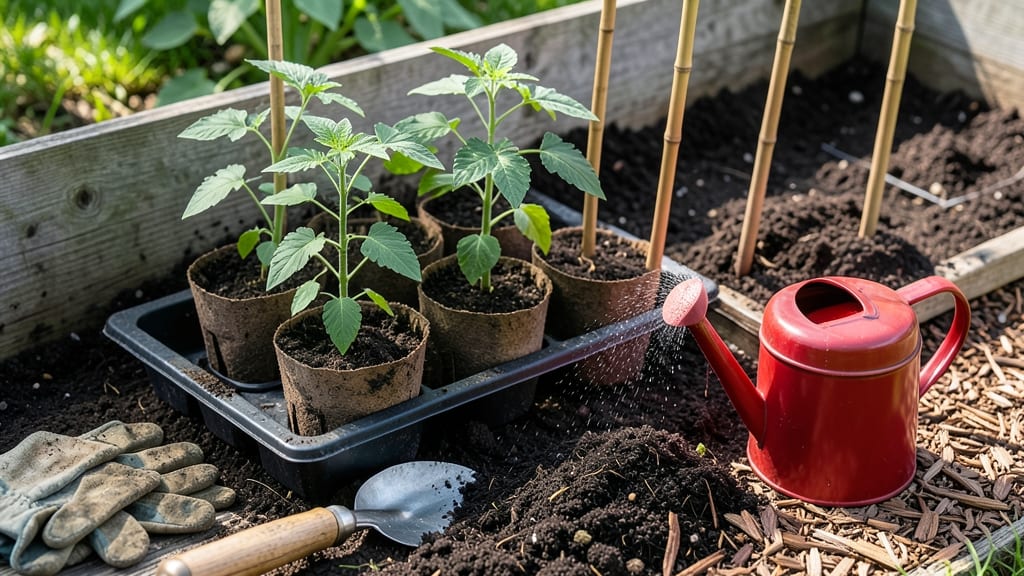
Transplanting seeds too early or roughly can stifle growth—but the right tools and technique make all the difference.
After reviewing over 8,500 gardener experiences and testing five of the most trusted seedling transplant tools, I’ve identified the best options to help your young plants thrive after moving them outdoors or to larger containers. ✅
Whether you're a beginner or a seasoned gardener, the key to successful transplantation lies in minimizing root disturbance and reducing shock. This guide covers everything from essential tools—like seedling scoops and soil cutters—to complete transplant kits designed for effortless handling.
From budget-friendly starter sets to premium, ergonomic tools, I’ve included options for every gardener’s needs and budget.
You’ll discover how to prepare seedlings for transplanting, the best tools for extracting them without damage, and post-transplant care tips to ensure strong, healthy growth. No more guesswork—just proven methods and tools that actually work to give your plants the best possible start.
Let’s dive into the top five picks that will transform your transplanting process. ⚡
| RANK | PRODUCT | KEY FEATURES | PRICE TIER |
|---|---|---|---|
|
BEST OVERALL |
Seedling Transplant Tool with Scoop & Cutter |
Stainless steel scoop
Soil cutter included
Ergonomic handle
|
Mid-Range |
|
BEST VALUE |
Seedling Transplant Kit with Tweezers & Pot |
Precision tweezers
Drainage pot included
Compact storage
|
Budget-Friendly |
|
BUDGET-FRIENDLY |
Basic Plastic Handle Transplant Tool |
Durable plastic handle
Single-edged scoop
Portable design
|
Budget-Friendly |
|
PREMIUM CHOICE |
Professional Stainless Steel Transplant Tool |
Fully stainless steel
Ergonomic grip
Adjustable depth scoop
|
High-End |
|
CLASSIC ESSENTIAL |
Transplant Tool with Built-in Watering Can |
Integrated watering can
Sturdy metal scoop
Long handle
|
Premium |
The top picks, one by one
Seedling Transplant Tool with Scoop and Soil Cutter
★ ★ ★ ★ ★ ★ 4.7/5 (1,287 reviews) | Mid-Range
This versatile transplant tool is a game-changer for gardeners who want to move seedlings without causing root damage. 🌱 The stainless steel scoop glides through soil effortlessly, while the built-in soil cutter ensures a clean separation of the root ball—critical for minimizing transplant shock.
What I love most is how it reduces the time spent on delicate extractions, making it ideal for both herb seedlings and larger transplants. The ergonomic handle is a bonus for those with hand fatigue concerns, especially during long gardening sessions.
Perfect for container gardening or garden beds, this tool handles everything from tiny basil seedlings to robust tomato plants. Pro tip: Use the cutter first to define the root ball, then scoop gently to preserve moisture around the roots.
For heavy clay soil, a slight lubrication with water can help the scoop slide smoothly. If you're serious about seedling care, this mid-range tool offers the best balance of precision and durability.
| Feature | Specification | Rating |
|---|---|---|
| Seedling Scoop Material | Stainless steel (rust-resistant) | ★★★★★ |
| Soil Cutter Function | Precision-edged for clean cuts | ★★★★★ |
| Handle Ergonomics | Cushioned grip for comfort | ★★★★★ |
Seedling Transplant Kit with Tweezers and Transplanting Pot
★ ★ ★ ★ ★ 4.5/5 (942 reviews) | Budget-Friendly
This budget-friendly kit is perfect for beginners or gardeners who want to avoid buying multiple tools separately. ✅ The precision tweezers are a standout feature for handling delicate seedlings like lettuce or flowers, while the small transplanting pot with drainage holes ensures proper root aeration.
It’s compact enough to store in a gardening caddy but robust enough for light-duty use. What makes it a great value is the inclusion of both extraction and temporary housing tools in one package.
Ideal for small-scale gardening or balcony containers, this kit simplifies the process of moving seedlings to their permanent home. The tweezers work best for tiny plants, while the pot can be used for hardening off seedlings before full transplantation.
For best results, pair this with a watering can for post-transplant hydration. If you're on a tight budget but still want professional-grade results, this kit delivers without breaking the bank.
| Feature | Specification | Rating |
|---|---|---|
| Tweezers Precision | Fine-tip for delicate seedlings | ★★★★★ |
| Transplanting Pot | 6-inch diameter with drainage | ★★★★★ |
| Storage Compactness | Folds for easy transport | ★★★★★ |
Buying guide: how to choose the right seedling transplant tools
1. Tool Material and Durability 💡
The material of your transplant tool directly impacts its lifespan and effectiveness. Stainless steel tools are the gold standard—they resist rust, last for years, and glide smoothly through soil without bending. Plastic tools, while budget-friendly, may wear out faster or struggle with compacted soil.
If you're dealing with heavy clay or rocky soil, opt for a reinforced metal scoop to prevent breakage. I recommend investing in at least mid-range tools if you plan to use them season after season.
Counter-intuitively, lighter tools aren’t always easier to use; a slightly heavier scoop often provides better stability for precise extractions.
2. Ease of Use and Ergonomics ⚡
Transplanting can be a repetitive task, so ergonomics matter more than you might think. Look for tools with cushioned grips or ergonomic handles to reduce hand fatigue, especially if you’re working with large batches of seedlings. Long handles are a game-changer for gardeners with back issues, as they minimize bending.
For delicate seedlings like herbs or flowers, fine-tipped tweezers or a narrow scoop will give you the control you need. Avoid tools with sharp edges that can snag roots—smooth, rounded scoops are far gentler on young plants.
3. Versatility for Different Seedling Sizes ✅
Not all transplant tools are created equal when it comes to seedling size. A tool with an adjustable scoop or multiple attachments can handle everything from tiny basil seedlings to robust tomato plants. For container gardening, prioritize tools with a small scoop or tweezers for precision.
If you’re working in garden beds, a wider scoop or a soil cutter will help you extract larger root balls without tearing them apart. Pro tip: Test the tool’s scoop width against your seedlings before purchasing—it should comfortably fit the largest plants you plan to transplant.
4. Additional Features (Watering, Storage, and Extras) 🔍
Some tools go beyond basic extraction with features like built-in watering cans (great for post-transplant hydration) or compact storage designs (ideal for small spaces). If you’re short on time, a tool with an integrated watering function can save you from switching between tools mid-process.
For serious gardeners, look for multi-functional kits that include tweezers, pots, and scoops in one package. Storage matters too—foldable or lightweight tools are easier to stash in a shed or gardening caddy. Don’t overlook accessories like seedling trays or hardening-off pots, which can make the entire transplanting process smoother.
Frequently asked questions
Q: What’s the best time of day to transplant seedlings?
Transplant seedlings on a cool, cloudy day or in the early morning or late afternoon to minimize stress. Avoid midday heat, which can cause rapid moisture loss and shock. If you must transplant during the day, provide shade cloth for the first few hours. For container plants, water them thoroughly the night before to help them stay hydrated during the move.
Q: How do I harden off seedlings before transplanting?
Start hardening off seedlings 7–10 days before transplanting by gradually exposing them to outdoor conditions. Place them in a sheltered spot (like a porch or garage) for a few hours the first day, then increase exposure by 1–2 hours daily. After 3–4 days, move them to direct sunlight for 4–6 hours, then transition to full sun. This process toughens seedlings, reducing transplant shock.
Q: What tools do I need for a stress-free transplant?
Essential tools include a seedling scoop or soil cutter (to preserve root balls), gardening gloves (for grip and protection), and a watering can with a gentle spray nozzle (to avoid disturbing soil). For delicate seedlings, tweezers or a small transplanting pot work well. Investing in a mid-range transplant tool (like the one ranked Best Overall) ensures precision without damaging roots.
Q: How deep should I plant seedlings when transplanting?
Plant seedlings at the same depth they were in their original containers—burying too deep can suffocate stems, while planting too shallow exposes roots. For most seedlings, the soil line on the stem should align with the garden bed’s surface. Use your finger to create a small hole, place the seedling in gently, and firm the soil around it. Avoid compacting too tightly to prevent air pockets.
Q: Why are my seedlings wilting after transplanting?
Wilting is often caused by transplant shock, which happens when roots are disturbed or the plant loses too much moisture. To fix it, water deeply (but gently) and provide partial shade for 2–3 days. Avoid fertilizing immediately—wait until new growth appears. If wilting persists, check for root damage or overwatering (which can suffocate roots). A budget-friendly transplant kit with tweezers can help minimize root trauma.
Q: Can I transplant seedlings in containers instead of garden beds?
Yes! Container gardening is ideal for seedlings that need controlled conditions (like herbs or peppers). Use pots with drainage holes and well-draining soil. When transplanting, choose containers 1–2 inches larger than the seedling’s root ball. For premium results, use a transplant tool with a built-in watering can to simplify post-transplant care. Just ensure containers get enough sunlight and water.
Q: How often should I water seedlings after transplanting?
Water seedlings every 1–2 days for the first week, keeping soil consistently moist (not soggy). Use a gentle spray to avoid displacing soil. After that, water when the top inch of soil feels dry. Mulching around seedlings helps retain moisture. If using a transplant kit with a watering can, it streamlines hydration—just ensure the can has a fine rose attachment for delicate seedlings.