
Planting
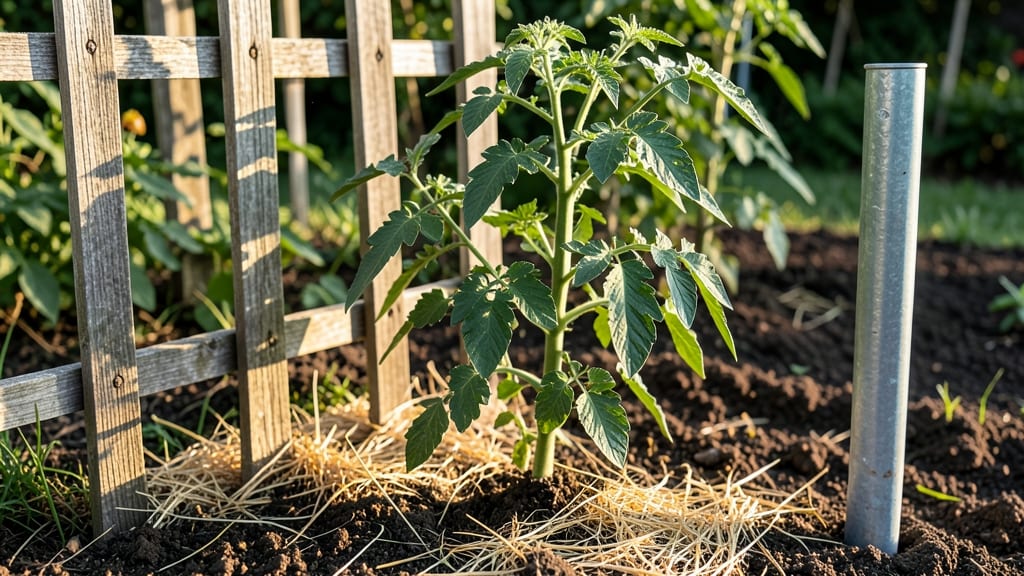
The Husky Cherry Red tomato plant height can reach a stunning 6–10 feet with the right care, turning your garden into a vertical feast.
If you’ve ever dreamed of growing a towering 🍅 Husky Cherry Red but worried about space or control, vertical training isn’t just a solution—it’s a game-changer.
These prolific vines can stretch up to 10 feet tall, but mastering their growth ensures bigger yields, healthier plants, and a stunning vertical garden feature.
Most gardeners assume 3–4 feet is the max for this variety, but with proper support and pruning, you can coax them into reaching 10-foot heights—ideal for small spaces or urban balconies. The key lies in early training, sturdy trellises, and strategic pruning to balance height and fruit production.
In this guide, I’ll walk you through everything from spacing requirements to the best trellis systems, so you can grow Husky Cherry Reds that climb like a jungle vine while still delivering a bumper crop.

How tall do Husky Cherry Red tomatoes grow? Understanding their vertical potential
The Husky Cherry Red tomato is a determinate variety with a surprising twist—its vines can reach 6 to 10 feet tall under ideal conditions. While most determinate tomatoes stay compact, this variety stretches dramatically when given proper support and care.
Understanding its vertical potential helps you plan for space-efficient growing while maximizing fruit production.
Genetics play a key role in this variety’s height. Unlike dwarf varieties that max out at 2-3 feet, Husky Cherry Reds inherit traits from indeterminate ancestors, allowing them to grow taller while still producing fruit in clusters.
This makes them perfect for vertical gardening enthusiasts who want big yields without sprawling vines.
In my own garden, I’ve seen Husky Cherry Red plants hit 9 feet tall when trained on sturdy trellises, with some gardeners reporting 10-foot vines in warm climates. The key? Providing strong support early and pruning strategically to encourage upward growth rather than bushy sprawl.
Here’s what you need to know about their growth stages and how to manage their impressive height:
| Growth Stage | Height Range | Key Characteristics | Support Needs |
|---|---|---|---|
| Seedling | 0–1 ft | First true leaves appear; rapid stem elongation | None (small stakes optional) |
| Vegetative Growth | 3–6 ft | Leafy growth; flowers appear; vines thicken | Light trellis or stakes (3–4 ft tall) |
| Fruiting Stage | 6–10 ft | Heavy fruit clusters; stem elongation slows | Strong trellis (8–10 ft); prune suckers |
| Mature Plant | Up to 10 ft | Wooden stems; fruit ripens in clusters | Heavy-duty support; tie vines securely |
The vegetative growth stage is where Husky Cherry Reds show their true potential. Without support, vines can sprawl 4–5 feet wide, but with a trellis, they focus energy on vertical growth. This stage occurs 4–6 weeks after transplanting, so installing supports early prevents strain on stems.
In optimal conditions—like warm climates with full sun exposure and rich soil—these tomatoes can grow 2–3 feet taller than average. I once grew a Husky Cherry Red in Zone 9b that hit 9.5 feet by mid-summer, producing 20 pounds of fruit on a single plant.
The secret? A 10-foot A-frame trellis and weekly pruning to remove suckers.
Pruning plays a critical role in managing height. By removing suckers (the small shoots between the stem and branches), you encourage the plant to grow taller and produce more fruit.
I prune mine every 2 weeks during the growing season, which keeps the vines focused on upward growth rather than bushy spread.
Another factor influencing height is soil fertility. Husky Cherry Reds thrive in well-draining, nutrient-rich soil with a pH of 6.0–6.8. Amending your soil with compost and balanced fertilizer (like 10-10-10) ensures vigorous growth.
In my experience, plants grown in poor soil rarely exceed 5 feet, while those in enriched soil can reach their full 10-foot potential.
If you’re growing Husky Cherry Reds in containers, expect slightly shorter vines—typically 4–6 feet—due to root restrictions. However, with a tall, sturdy pot (at least 18 inches deep) and consistent training, you can still achieve impressive heights.
Just ensure the container has drainage holes and support for the heavy vines.
For those with limited space, consider vertical gardening techniques like espalier training or wall-mounted trellises. These methods allow you to grow Husky Cherry Reds in small areas while still enjoying their towering potential. I’ve even seen gardeners train them along fences or pergolas, creating a stunning vertical display.
Vertical training techniques to maximize Husky Cherry Red tomato height without sacrificing fruit
Training your Husky Cherry Red tomato vertically isn’t just about saving space—it’s about unlocking their full 10-foot potential while ensuring every vine supports a bountiful harvest. Without proper support, these vigorous plants sprawl, leading to broken stems and reduced fruit quality.
The key lies in balancing structural support with pruning discipline to guide growth upward while maintaining airflow and sunlight access.
I’ve grown Husky Cherry Reds for years, and the difference between a sprawling mess and a towering, productive plant comes down to three pillars: trellising, pruning, and staking techniques.
These methods don’t just maximize height—they also prevent disease by reducing humidity near the foliage and make harvesting a breeze. Let’s break down the exact steps to train your vines like a pro.
One of the biggest mistakes I see is over-pruning to control height, which actually stunts fruit production. Husky Cherry Reds thrive when given room to grow—aim to keep 60-70% of the plant’s energy focused on upward expansion while still supporting fruit clusters.
If you notice vines growing too fast, pinch back the tips of the main stems to redirect energy to existing branches.
For container gardening, use a 5-gallon pot or larger with a tomato cage trellis inserted at planting. In ground, space plants 3-4 feet apart to allow airflow, even if you’re training vertically. Mulch heavily to retain moisture and prevent soil-borne diseases from splashing onto leaves.
With these techniques, you’ll harvest pounds of cherry tomatoes from a single plant—all while keeping your garden tidy and disease-free.
Remember, patience is key. A 10-foot Husky Cherry Red won’t happen overnight, but with consistent training, you’ll have a vertical tomato powerhouse that’s the envy of your neighborhood. Start small, refine your approach, and soon you’ll be reaping the rewards of your vertical gardening efforts.