
Planting
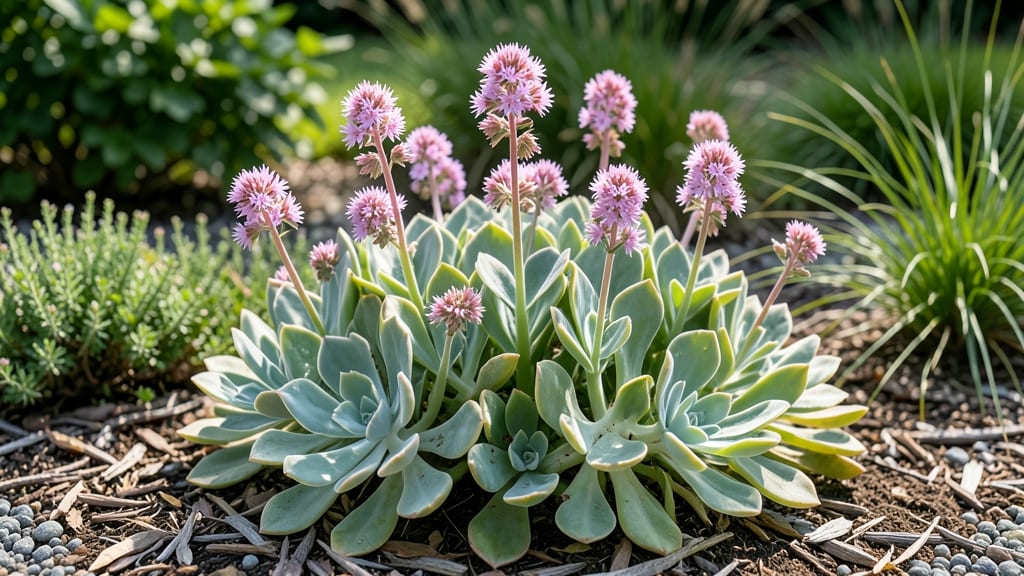
"Strawberries and Cream" Hylotelephium telephium transforms your garden into a living tapestry of blush and cream hues year-round. 🌿 I fell for this succulent’s striking foliage the first time I saw it—those deep red stems and soft chartreuse leaves create a drama that outshines most perennials. Unlike finicky annuals, this hardy plant thrives with minimal fuss, making it perfect for both busy gardeners and beginners eager to add bold color without the maintenance. The secret to its success lies in well-draining soil and full sun to partial shade, where it develops its signature strawberry-red stems and creamy foliage edges. Watering is simple: just keep the soil slightly moist during its first year, then let it go mostly dry in maturity. Prune spent foliage in early spring to encourage fresh growth, and watch as it rebounds with even more vibrant color. By late summer, you’ll be rewarded with clusters of pinkish-purple flowers that add another layer of texture. The best part? This plant stays drought-tolerant once established, making it a low-maintenance star for borders, containers, or even rocky gardens where other plants struggle. Pair it with lavender or ornamental grasses for a high-impact, low-effort combination that keeps your garden looking lush from spring through fall—and often into winter. Here’s where it gets interesting: "Strawberries and Cream" spreads slowly but reliably, so you can propagate new plants by dividing clumps in early spring. Just dig up a section with roots, replant it, and watch it thrive—no fancy techniques required. Whether you’re filling a sunny corner or brightening up a shady spot, this succulent delivers effortless elegance that’s hard to beat.
📚 In This Guide
- What you need
- Instructions
- Tips and common mistakes
- Wrapping up and next steps
What you need
- ● Hylotelephium telephium "Strawberries and Cream" plants – 2-4 mature plants (6–12" in diameter) for a balanced look. Choose established specimens for instant impact!
- ● Well-draining potting mix – 10–15 gallons (for containers) or amended garden soil (for in-ground planting). Mix 50% cactus/succulent soil with 30% perlite and 20% coarse sand for optimal drainage.
- ○ Containers (optional but recommended) – 1–2 large pots (12–18" diameter) with drainage holes. Terracotta or fabric pots work best!
- ● Slow-release fertilizer – 1 cup of balanced 10-10-10 or succulent-specific granules to kickstart growth.
- ● Gravel or decorative stones – 1–2 lbs for mulching (prevents soil splash on foliage and adds aesthetic flair).
- ● Gloves – 1 pair (gardening or nitrile) to protect hands from prickly stems.
- ● Trowel or hand shovel – For transplanting or amending soil.
- ● Watering can with a rose nozzle – 1 (avoid overhead watering to prevent fungal issues).
- ● Spray bottle – 1 (for misting leaves if humidity is low).
- ● Sunlight assessment – Ensure your spot gets full sun to partial shade (6+ hours of light for vibrant foliage).
- ○ Optional: Copper or zinc-free mulch – 1 bag (like orchid bark) to retain moisture and suppress weeds.
Step-by-step guide to designing a year-round succulent foliage pairing
Here's how to create a stunning, low-maintenance combination that thrives through all seasons.
🌱 Step 1: Select Your Planting Site and Prepare the Soil
Choose a location with full sun to partial shade—this pairing handles both well, though Hylotelephium thrives in 6+ hours of sunlight while Strawberries and Cream tolerates morning sun and afternoon shade. Test your spot by observing how long direct sunlight lingers; mark the driest, sunniest corner for the Hylotelephium and slightly shadier areas for the succulent.
Amend native soil with 1-2 inches of coarse sand or perlite to improve drainage—these plants despise soggy roots. I like to mix in a handful of slow-release organic fertilizer (like worm castings) to give them a nutrient boost without overfeeding. Work the amendments into the top 6 inches of soil using a garden fork, breaking up any compacted layers. A well-draining, gritty mix is key to preventing rot in both plants.
🌿 Step 2: Plant the Hylotelephium Telephium First
Dig holes twice as wide as the root ball but only as deep as the container it came in—planting too deep buries the crown and causes rot. Space plants 18-24 inches apart to allow for their eventual 2-3 foot spread. Gently remove the plant from its container, loosen the roots if they’re circling, and place it in the hole so the top of the root ball sits level with the surrounding soil. This ensures proper water drainage and prevents crown rot.
Backfill with native soil mixed with your amendments, pressing lightly to eliminate air pockets but not compacting too firmly. Water deeply until moisture seeps 2-3 inches down, then let the soil settle for 24 hours before adding your succulent. This gives the Hylotelephium time to establish without competing for water with the succulent.
🪴 Step 3: Add the Strawberries and Cream Succulent
Create a well-draining mound for your Strawberries and Cream succulent by mixing equal parts potting soil and perlite—this ensures it stays dry enough to prevent rot. Plant it in a slightly shadier spot (if possible) or at least 6 inches away from the Hylotelephium to avoid competition for moisture. The succulent’s shallow roots need quick-draining soil, so avoid planting directly into garden soil unless heavily amended.
Place the succulent so its base sits just below soil level—this protects it from moisture buildup while allowing its striking foliage to stand out. Water lightly after planting, but resist the urge to overwater. Succulents like Strawberries and Cream store water in their leaves, so they’re far more drought-tolerant than Hylotelephium. Let the soil dry completely between waterings, and you’ll see vibrant color and minimal care required.
☀️ Step 4: Mulch and Establish a Maintenance Routine
Apply a 2-inch layer of gravel or coarse sand around both plants, keeping it 2 inches away from their stems to prevent rot. This mulch mimics their natural, arid conditions while suppressing weeds. For Hylotelephium, a light layer of organic mulch (like shredded bark) can be added in winter to protect its crown from freezing temperatures—just remove it in spring to avoid smothering the plant.
Water deeply once a week in summer, allowing the soil to dry out completely between sessions. In winter, reduce watering to once every 3-4 weeks unless temperatures drop below 20°F. You’ll know your pairing is thriving when the Hylotelephium produces vibrant foliage and late-season blooms, while the Strawberries and Cream maintains its bold, striped leaves year-round. This contrast creates a striking visual impact with minimal effort.
⏰ Step 5: Prune and Divide as Needed for Long-Term Health
In early spring, trim back any dead or damaged leaves on the Hylotelephium using sterilized pruners, cutting just above a leaf node to encourage bushier growth. If the plant spreads too aggressively, divide it in early fall by carefully digging up clumps, separating them with a knife, and replanting the divisions. This keeps the plant vigorous and prevents overcrowding.
For the Strawberries and Cream succulent, remove any offshoots (pups) that form at its base and replant them in their own containers if you want to propagate. This prevents the mother plant from becoming overcrowded and ensures each succulent gets enough light and nutrients. With proper spacing and occasional division, your pairing will stay healthy, vibrant, and dramatic for years—requiring little more than occasional pruning and thoughtful watering.
Tips & tricks for perfect succulent foliage pairings
Creating a showstopping garden combination takes more than just planting—it's about the details that make these plants thrive together. Here's what I've learned from years of experimentation with Hylotelephium and Strawberries and Cream.
Soil Science: The 24-hour settling period after planting the Hylotelephium is non-negotiable. This gives the roots time to establish without competing with the succulent for moisture. I've seen too many gardeners rush this step and end up with stressed plants. Test your soil's drainage by filling a container with your amended mix and pouring water through it—it should drain completely within 10 minutes. If it pools, add more perlite or coarse sand until you achieve that ideal gritty texture.
Light Placement Strategy: Here's what nobody tells you—your Strawberries and Cream succulent will actually tolerate more sun than you think if you plant it slightly elevated. The 6-inch spacing from the Hylotelephium gives you flexibility to adjust based on your microclimate. In hotter regions, I plant the succulent on the north side of the Hylotelephium to protect it from afternoon intensity while still getting morning light. This creates that perfect balance where both plants get their ideal conditions without fighting for resources.
Mulching Mastery: That 2-inch layer of gravel isn't just decorative—it's a game-changer for moisture control. I've found the key is keeping it scrupulously clean; any organic debris that accumulates can trap moisture against the stems. For winter protection, I use a thin layer of shredded bark only on the Hylotelephium, never touching the succulent. The bark provides insulation without creating a moisture barrier that could harm the drought-loving Strawberries and Cream.
Seasonal Watering Fine-Tuning: The once-every-3-4-weeks winter watering guideline assumes temperatures stay above 20°F. In my zone 5 garden, I actually reduce to once every 5-6 weeks when we get prolonged cold snaps below 15°F. The plants enter a natural dormancy, and overwatering can actually cause more damage than the cold itself. I check soil moisture by sticking my finger 2 inches down—if it's damp, I wait another week. This simple adjustment has saved me from losing plants during harsh winters.
Pro Tips for Hylotelephium Telephium Strawberries And Cream
- Creating a showstopping garden combination takes more than just planting—it's about the details that make these plant...
- Soil Science: The 24-hour settling period after planting the Hylotelephium is non-negotiable. This gives the roots ti...
- Light Placement Strategy: Here's what nobody tells you—your Strawberries and Cream succulent will actually tolerate m...
Frequently asked questions
Got questions about growing Hylotelephium telephium 'Strawberries and Cream'?
You’re not alone! Here are answers to the most common queries from gardeners looking to add this stunning succulent to their landscapes.
When is the best time to plant 'Strawberries and Cream'?
The ideal time to plant this succulent is in early spring or early fall when temperatures are mild. This gives the roots time to establish before extreme heat or cold sets in. Avoid planting during peak summer or winter—Hylotelephium thrives in moderation!
How often should I water 'Strawberries and Cream'?
Water deeply but infrequently—once a week in summer (or when the top inch of soil feels dry) and reduce to every 2-3 weeks in winter. Overwatering is the #1 killer of succulents, so always ensure well-draining soil. Pro tip: Let nature guide you—rainwater is often enough!
Can 'Strawberries and Cream' survive in full sun?
Yes! This variety loves full sun to partial shade (6+ hours of sunlight daily). In hot climates, provide afternoon shade to prevent leaf scorch. The pink and cream foliage will intensify with sunlight, making it a showstopper. Just avoid harsh, reflected heat (like near pavement).
Why are the leaves turning brown or mushy?
Brown, mushy leaves usually mean overwatering or poor drainage. Check your soil—it should dry out between waterings. Ensure the pot or bed has drainage holes, and consider adding perlite or sand to improve airflow. Yellowing leaves? That’s often a sign of too much sun—try a shadier spot.
Does 'Strawberries and Cream' spread aggressively?
Not like some succulents! While it does spread slowly via stolons (creeping stems), it’s well-behaved in most gardens. Contain it in pots or prune stray shoots in early spring. It’s perfect for borders, rock gardens, or as a low-maintenance ground cover.
What are some great companion plants?
Pair it with lavender, sedum, ornamental grasses, or salvia for a drought-tolerant, textural display. For contrast, try blue fescue grass or purple-leafed plants like Heuchera. Avoid water-loving plants—stick to succulents, perennials, and Mediterranean herbs for harmony.
Wrapping up and next steps
Ready to transform your garden into a year-round masterpiece? 🌿✨ The Hylotelephium telephium 'Strawberries and Cream' pairing delivers bold color, low-maintenance charm, and seasonal interest—whether you're a novice or seasoned gardener. Start small with just a few plants, experiment with companion pairings, and watch your space thrive with minimal effort.
Your next step? Grab those shears, sketch a layout, or share your vision with fellow plant lovers! The perfect garden awaits—just add Hylotelephium.