
Planting
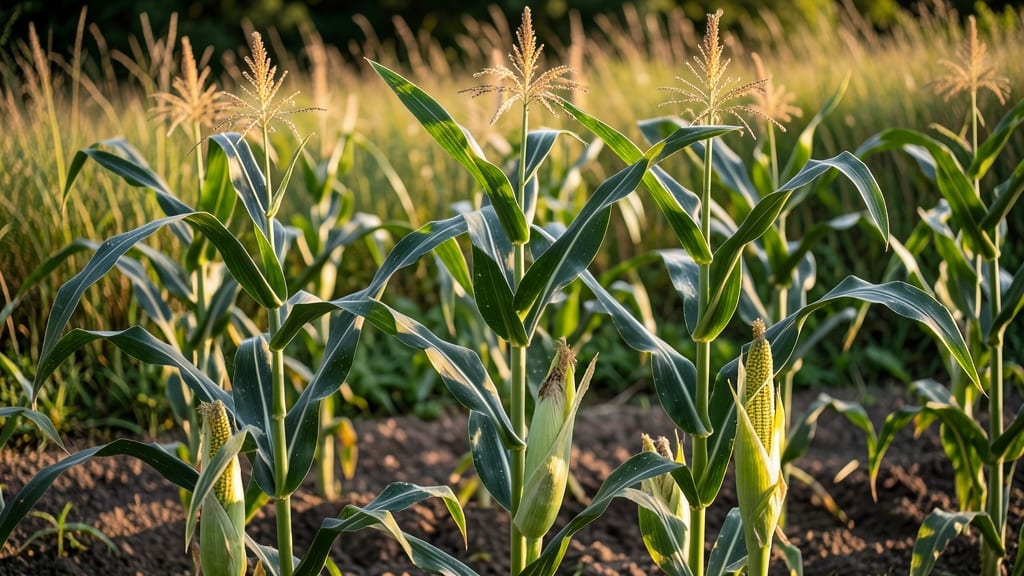
Yes, corn is grown in California, primarily in the Central Valley where ideal climate and fertile soil produce sweet corn, field corn, and specialty varieties like popcorn and seed corn year-round, with peak harvests from May to October.
California's Central Valley stands out as the nation's top corn-producing region, thanks to its 300+ days of sunshine and advanced irrigation systems that transform arid land into prime farmland. 🌱 The valley's loamy soil, combined with controlled water access, allows farmers to grow both sweet corn (for fresh markets) and field corn (for livestock feed and industrial uses).
Unlike northern states, California's mild winters and hot summers create perfect conditions for continuous planting cycles, making it possible to harvest corn nearly year-round.
What makes this region unique is its ability to grow specialty corn varieties like popcorn and seed corn, which require specific climate conditions. The state's diverse microclimates—from the cooler Sacramento Valley to the warmer San Joaquin Valley—allow farmers to optimize planting schedules for maximum yield.
This diversity also supports California's thriving food processing industry, which relies on consistent corn supplies for everything from tortillas to biofuels.
💡 In This Article
- California’s Top Corn-Growing Regions and Climate Conditions
- Best Corn Varieties for California Gardens and Farms
California’s top corn-growing regions and climate conditions
California's corn production thrives in the Central Valley, a 450-mile stretch between Sacramento and Bakersfield, where the climate creates near-perfect growing conditions. This region receives 20-30 inches of annual rainfall—far less than corn's needs—but advanced flood and drip irrigation systems deliver precise water control.
The valley's loamy soil, rich in organic matter from centuries of alluvial deposits, supports root development while retaining moisture, a critical factor since corn plants require 1-1.5 inches of water per week during growth.
The temperature gradient across the valley explains why different corn types flourish here. Sweet corn, which needs 70-85°F daytime temperatures, dominates the cooler northern sections (Sacramento Valley), while field corn (used for feed and ethanol) prefers the 85-95°F heat of the southern San Joaquin Valley.
Humidity plays a subtle but crucial role too—lower humidity in California reduces fungal diseases like corn smut, which thrives in the damp conditions of Midwest farms.
This climate control allows California to produce 1.5 million acres of corn annually, making it the nation's 4th-largest corn producer despite its smaller farmland footprint.
What sets California apart is its ability to grow specialty corns like popcorn and seed corn, which require precise climate control. Popcorn, for example, needs consistent daytime temps above 75°F to develop its signature hard kernels, while seed corn (used for breeding) demands sterile growing conditions to prevent cross-contamination.
The state's microclimates—created by elevation changes and coastal influences—allow farmers to stagger plantings, ensuring continuous harvests from spring through fall with minimal weather-related losses.
The irrigation infrastructure alone tells the story of California's corn success. The California Aqueduct delivers water from northern reservoirs to southern farms, while local groundwater wells provide supplemental moisture. This system enables year-round planting, unlike Midwest farms that rely on seasonal rainfall.
Even during drought years, California's corn yields remain stable because farmers can precisely meter water delivery to match each corn variety's needs at every growth stage.
Consider these key climate factors that make California unique:
- Daylength control: California's 12-14 hour daylight during growing seasons accelerates photosynthesis, speeding up corn maturation by 2-3 weeks compared to northern states
- Frost-free windows: The Central Valley's 270+ frost-free days allow for multiple planting cycles, unlike northern regions with limited growing seasons
- Soil temperature regulation: The valley's dark soils absorb and retain heat, maintaining optimal root-zone temperatures (60-75°F) even during night cooling
The result? California produces sweeter sweet corn with higher sugar content (due to slower starch conversion in cooler nights) and hardier field corn that resists the ear rot common in humid climates. This dual advantage makes California corn a premium choice for both fresh markets and industrial processing.