
Planting
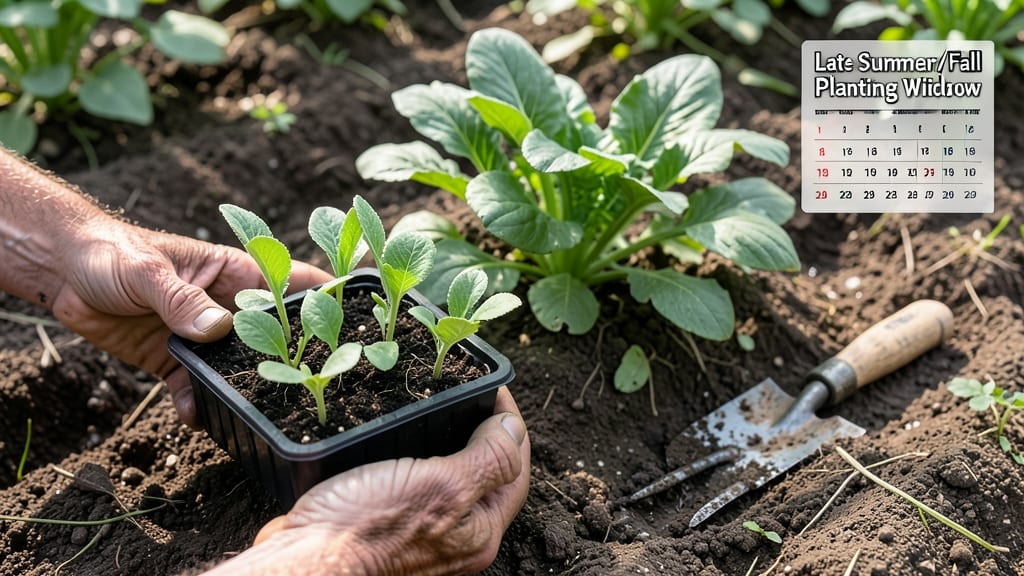
Planting radishes late in the season is too late to plant radishes? Not necessarily—with the right approach, you can still yield a fast harvest even if you missed the ideal spring window.
Radishes are one of the fastest-growing vegetables in the garden, but if you’ve been waiting for the perfect planting window, you might be wondering if it’s already too late. The good news? With the right varieties and techniques, you can still enjoy a bountiful harvest well into fall.
In USDA Zone 6a, late summer planting (6-8 weeks before your first frost) gives radishes just enough time to mature before cold sets in.
Fast-maturing varieties like 'Cherry Belle' or 'Easter Egg' can go from seed to harvest in as little as 20-30 days, making them perfect for extending your growing season.
Below, I’ll cover how to choose the best late-season varieties, protect your plants from pests and frost, and ensure a successful harvest before winter arrives.

Fast-growing radish varieties that thrive in late planting
If you're still wondering is it too late to plant radishes, the answer is a resounding yes—especially when you choose the right fast-growing varieties for late-season success.
Radishes like 'Cherry Belle' and 'French Breakfast' mature in just 20-30 days, making them perfect for extending your harvest into fall. These varieties thrive when planted 6-8 weeks before your first frost, giving you time for a crisp, flavorful harvest before winter sets in.
Late planting actually works in radishes' favor because cooler fall temperatures prevent them from bolting (going to seed too quickly). Just avoid planting too close to frost—radishes need 10-15°F of cold tolerance to survive light freezes.
The key is selecting heat-sensitive varieties that slow down growth in summer heat but rebound beautifully in autumn's milder climate.
The comparison table below breaks down the top fastest-maturing radish varieties for late planting, including their days to maturity, cold hardiness, and ideal planting window for fall harvests. Use this as your guide to pick the perfect variety for your climate zone.
For late-season planting, I recommend starting with 'Cherry Belle' or 'Saxa'—both mature quickly and handle cooler temperatures beautifully. If you're in a warmer climate, opt for 'French Breakfast', which thrives in mild fall weather.
These varieties are also disease-resistant, reducing the risk of rot in damp autumn soil.
When planting late, focus on well-draining soil and consistent moisture to prevent cracking. Radishes grow best in loose, fertile soil with a pH between 6.0-7.0.
Amend your garden beds with compost before sowing to improve drainage and nutrient availability. Avoid fresh manure, which can cause bolting due to high nitrogen levels.
Another pro tip: succession plant every 2 weeks in late summer to ensure a continuous harvest. This works especially well for 'Cherry Belle', which produces crisp, sweet roots even when planted as late as September in most climates.
Just be sure to harvest before roots exceed 1 inch in diameter, or they’ll become woody and pithy.
If you're worried about early frosts, use row covers or cold frames to extend your growing season. These protective measures can add 2-4 weeks to your harvest window, giving you extra time to enjoy fresh radishes.
Just remember to remove covers during the day to prevent overheating and bolting.
For container gardening, choose compact varieties like 'Saxa' or 'Cherry Belle'. Plant seeds ½ inch deep in 5-inch-deep pots with well-draining potting mix. Containers warm up faster in spring, so start late plantings 2-3 weeks earlier than in-ground beds to account for heat fluctuations.
Finally, don’t overlook 'Easter Egg' radishes for late planting—their colorful, heirloom varieties add visual interest to your garden while delivering crisp, flavorful roots. These take slightly longer to mature but reward you with unique shapes and colors, from deep purples to fiery reds. Plant them in partial shade
How to extend your radish planting window for fall success
Fall gardening is all about working with Mother Nature’s timeline, and radishes are your secret weapon. These speedy growers can still thrive when planted 6-8 weeks before your first frost date, giving you a harvest before winter sets in.
The key lies in soil prep, spacing, and protective measures—not just timing. I’ve planted radishes as late as mid-September in Zone 6 and still enjoyed crisp roots by October!
Don’t let late starts fool you—radishes are cold-hardy and can handle light frosts, but they hate heat. If your summer was scorching, focus on shade cloth and even moisture to keep them happy.
The right approach turns "too late" into "just in time" for a fall feast. Let’s break down the essential steps to make it happen.
Watering is non-negotiable in late plantings. Radishes need consistent moisture, especially when soil dries faster in fall. I water mine every 2-3 days in the morning to prevent bolting (premature flowering).
Use a soaker hose to keep leaves dry—wet foliage invites pests like flea beetles. Mulch with straw to retain moisture and suppress weeds.
Protect your seedlings from frost and pests with row covers or cold frames. A lightweight floating row cover adds 2-4°F protection and deters cabbage worms. For extra insurance, plant near tall plants like sunflowers to create microclimates.
Harvest before hard frosts hit—radishes taste sweeter after a light frost, but freezing ruins texture. Use a hand fork to lift roots gently.
With these steps, you’ll turn "too late" into "just right" for a crisp, homegrown radish harvest. Start small—try a 4x4-foot bed—and adjust based on your microclimate. Happy planting! 🌱