
Planting
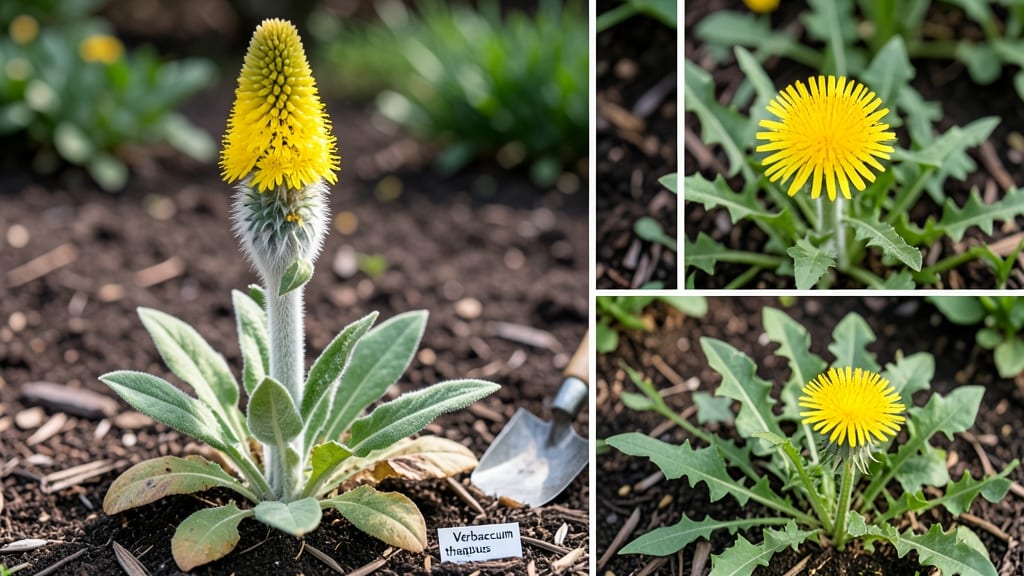
The mullein plant is not a weed—it’s a hardy wildflower with medicinal and ecological benefits, though its tall stems and rapid growth may resemble invasive species in some gardens.
The mullein plant, often mistaken for a weed due to its tall, leafy stems, actually plays a crucial role in ecosystems. 🌿 Its deep roots improve soil aeration, while its flowers attract pollinators like bees and butterflies.
Many gardeners appreciate its resilience and use it for natural remedies, like soothing coughs or healing minor wounds. The key difference? Unlike weeds, mullein doesn’t crowd out other plants—it thrives alongside them, offering beauty and utility rather than chaos.
If you’re concerned about its growth, timing matters most. Pulling seedlings early in the season prevents mature plants from dominating your garden. Pro tip: Harvest the leaves for tea or salves instead of removing them entirely—this way, you’re reducing its spread while putting its benefits to use.
Many herbalists value mullein as much as they’d despise a true weed!
💡 In This Article
- Why Mullein Thrives as a Beneficial Wild Plant
- Managing Mullein in Gardens: When It’s Helpful or Harmful
Why mullein thrives as a beneficial wild plant
Mullein (Verbascum thapsus) isn’t just a tall, fuzzy plant—it’s a dynamic ecosystem contributor with deep ecological roots. Its deep taproot system (reaching up to 3 feet) breaks up compacted soil, improving drainage and aeration. This makes it a natural soil conditioner, unlike aggressive weeds that deplete nutrients.
The plant’s yellow flower spikes (up to 5 feet tall) act as pollinator magnets, attracting bees, butterflies, and even hummingbirds during late summer when other blooms fade.
The plant’s medicinal value is equally impressive. Mullein leaves contain allantoin, a compound that promotes skin healing, while its flowers are packed with flavonoids and saponins—compounds linked to respiratory relief. Historically, Native American tribes used mullein tea to soothe coughs, and European herbalists applied poultices to treat wounds.
Unlike weeds, which often lack these benefits, mullein has been cultivated for centuries in cottage gardens and apothecaries for its dual-purpose utility.
What sets mullein apart is its non-invasive growth habit. While it may spread rapidly in disturbed soils, it doesn’t outcompete native plants like aggressive weeds do. Its biennial lifecycle (growing leaves the first year, flowers the second) means it doesn’t smother gardens permanently.
In fact, many permaculturists intentionally plant mullein to stabilize slopes or enhance biodiversity—qualities no true weed possesses. 🌱
Botanically, mullein belongs to the Scrophulariaceae family, alongside other medicinal plants like foxglove. Its hairy leaves reduce water loss, allowing it to thrive in dry, poor soils where most plants struggle. This adaptability makes it a resilient ally rather than a nuisance.
Even its seeds (tiny but prolific) disperse via wind, ensuring new plants establish without human intervention—unlike weeds that rely on aggressive spread tactics.
Consider this: mullein’s flowering period (June–August) coincides with pollinator shortages, making it a keystone species in many wildflower meadows. Unlike weeds that disrupt ecosystems, mullein supports them.
Its presence often signals healthy, undisturbed soil—something true weeds rarely indicate. This is why many gardeners now view mullein as a wildflower to nurture, not eradicate.
For those skeptical about its "weed-like" appearance, think of mullein as nature’s multi-tool: a soil improver, medicinal powerhouse, and pollinator haven all in one.
Its only "flaw" is its tall stature, which can block views—but even that can be repurposed as a living screen or cut-flower focal point. Unlike weeds, which offer no redeeming qualities, mullein delivers visible benefits to both gardens and ecosystems. ✨