
Planting
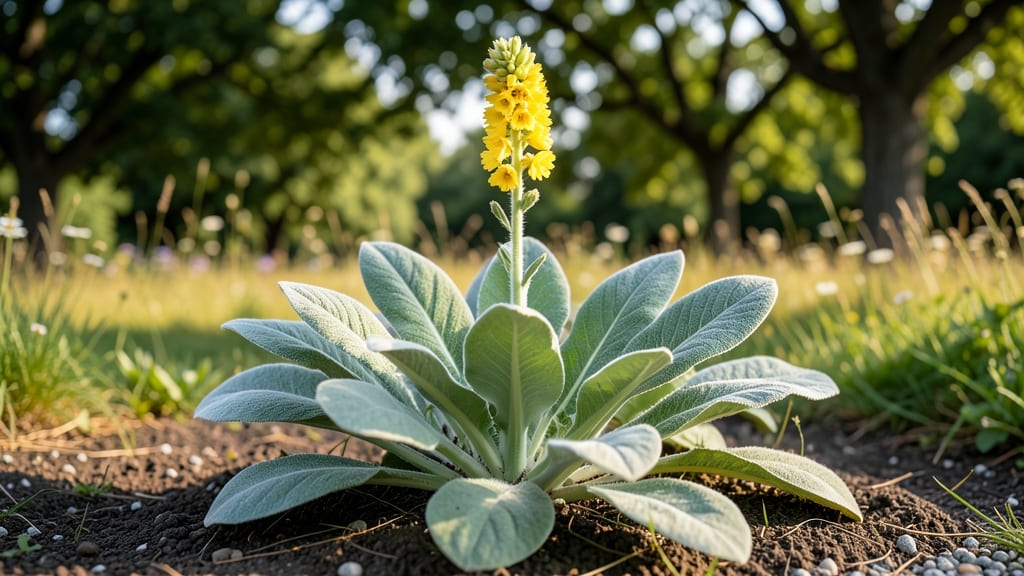
Growing mullein leaf means you’ll have a hardy, medicinal herb that practically grows itself—even in rocky, poor soil where other plants struggle. 🌿 I’ve watched this velvety-leaved plant pop up in neglected corners of my garden, thriving where nothing else would, and its leaves are packed with healing properties for lungs and skin.
The secret to its success is simple: full sun, minimal fuss, and a soil that’s barely tolerable. You’ll love how it spreads effortlessly from seed, forming tall, striking spires that look like something out of a fairy tale.
Once established, it barely needs watering—just let it grow wild in a sunny spot, and it’ll reward you with leaves rich in allantoin and anti-inflammatory compounds. By late summer, you’ll be harvesting those fuzzy, lance-shaped leaves for teas, salves, or even as a poultice for wounds.
The plant’s deep roots also improve soil structure over time, making it a true garden workhorse. No wonder it’s been used for centuries in folk medicine! Perfect for wildflower gardens, medicinal herb patches, or even as a striking ornamental. Here’s how to grow it like a pro—without the guesswork.
📚 In This Guide
- What you need
- Instructions
- Tips and common mistakes
- Wrapping up and next steps
What you need
- ● Mullein seeds: 1 packet (50–100 seeds, organic preferred for best results).
- ● Well-draining soil: 1–2 cubic yards of sandy or loamy soil (mullein tolerates poor soil but thrives in slightly alkaline conditions, pH 6.0–8.0).
- ● Growing containers or garden bed: Option 1: 6-inch deep pots (4–6 pots for spacing).
- ● Option 2: Directly in the ground (sunny, open area with minimal competition).
- ● Sunlight access: Full sun (6+ hours daily).
- ● Watering can or hose: With a gentle spray nozzle (avoid overwatering).
- ● Compost or aged manure: 1–2 cups per plant (boosts soil fertility without overdoing it).
- ● Seed-starting tray: For indoor germination (if starting early).
- ● Garden gloves: To protect hands during planting or harvesting.
- ● Pest deterrents: Neem oil or diatomaceous earth (prevents aphids or caterpillars).
- ● Pruning shears: For trimming mature plants (harvest leaves in late spring/summer).
Step-by-Step instructions for planting mullein leaf
This hardy herb thrives where others fail—here's how to grow it with minimal fuss.
🌱 Step 1: Choose the Right Location and Prepare the Soil
Mullein loves full sun—select a spot that gets at least 6-8 hours of direct sunlight daily. This herb is famously drought-tolerant, so it thrives in poor, rocky, or sandy soil where other plants struggle. If your soil is heavy clay, mix in coarse sand or gravel to improve drainage.
Clear the area of weeds and loosen the top 6 inches of soil with a garden fork. Mullein doesn’t need rich soil, but breaking up compacted earth helps roots establish faster. I like to scatter a light layer of wood ash (about 1/4 inch) over the area—it adds potassium and mimics the herb’s natural habitat in disturbed soils.
🌿 Step 2: Plant Seeds or Transplants at the Correct Time
Sow seeds directly in the garden 4-6 weeks before your last frost date in spring, or in late summer for a fall harvest. Mullein seeds germinate best in warm soil (60-70°F)—if planting early, use a seedling heat mat or wait until temperatures stabilize. Scatter seeds 1/4 inch deep, spacing them 12-18 inches apart since mullein grows into 3-5 foot tall plants.
For transplants, space them 18-24 inches apart to give roots room to spread. Water gently after planting, but don’t overdo it—mullein’s deep taproot prefers dry conditions once established. You’ll see first true leaves in 2-3 weeks if conditions are right.
☀️ Step 3: Provide Minimal Care and Let It Grow Wild
Mullein is nearly self-sufficient—water only during prolonged dry spells, and even then, it’s better to underwater than overwater. The plant stores moisture in its thick, fuzzy leaves, so it rarely needs supplemental water after the first year. Fertilizer is unnecessary; in fact, too much nitrogen produces weak stems and fewer medicinal leaves.
Watch for yellowing leaves—this usually means overwatering or poor drainage. Mullein also attracts bees and butterflies, so you’ll see plenty of pollinators visiting your patch. If weeds become an issue, pull them by hand when young; mullein’s deep roots make it competitive once established.
✂️ Step 4: Harvest Leaves for Medicinal Use
Harvest young leaves in early summer when the plant is 12-18 inches tall. The fuzzy, gray-green leaves are richest in mucilage and anti-inflammatory compounds at this stage. Use clean, sharp scissors to snip leaves just above a leaf node—this encourages bushier growth. Avoid harvesting more than 1/3 of the plant at once to prevent stress.
Dry leaves quickly in a well-ventilated, dark space (like a mesh screen in shade) for 1-2 weeks. Crumble dried leaves into a jar for tea or tinctures. Mullein’s hairy texture makes it easy to identify—never confuse it with other wild plants.
⏰ Step 5: Overwinter and Plan for Next Year
Mullein is perennial and will return year after year, often spreading via self-seeding. In cold climates, the woody stems may die back, but the roots survive and sprout fresh growth in spring. Cut back dead foliage in late winter to make room for new shoots.
If you want to control spread, dig up pups (small offsets) in early spring and transplant them elsewhere. Mullein’s deep roots make it excellent for reclaiming poor soil—after a few years, you’ll notice other plants thriving where it grows.
Tips & tricks for perfect mullein leaf growth
Here's what nobody tells you about growing this tough, medicinal herb with almost no effort.
Sunlight Secret: Mullein's love for full sun (6-8 hours daily) isn't just about light—it's about heat. The warmer the spot, the faster those fuzzy leaves develop their signature medicinal compounds. I've seen mullein grow in partial shade, but the leaves stay smaller and less potent. If you're planting in spring, choose the sunniest corner of your garden, even if it's rocky or poor soil.
Soil Prep Game-Changer: That 6-inch soil loosening in Step 1 isn't just about breaking up dirt—it's about creating air pockets. Mullein's deep taproot needs oxygen to establish properly. After loosening, I like to add a thin layer of wood ash (about 1/4 inch) not just for potassium, but to slightly raise soil pH. Mullein prefers neutral to slightly alkaline soil, and wood ash helps achieve that naturally without adding chemicals.
Timing Rescue Strategy: If you're planting in early spring when soil temps are below 60°F, don't rush the process. Cold soil can delay germination by weeks. I've used seedling heat mats successfully, but even better is waiting until soil reaches 65°F consistently. You'll see those first true leaves in 2-3 weeks when conditions are right—no need to guess if your soil is warm enough. Stick your finger in the soil about 2 inches deep; if it feels warm to you, it's ready.
Harvesting Hack: That 1-2 week drying time for harvested leaves can be tricky. The key is ventilation without direct light. I use a mesh screen in my garage (with windows covered) where airflow circulates but sunlight doesn't bleach the leaves. Watch for the leaves to become crispy but not brittle—when you can crumble them easily between your fingers, they're ready. Store dried leaves in airtight jars away from moisture to preserve their medicinal properties for up to a year.
Pro Tips for Plant Mullein Leaf
- Here's what nobody tells you about growing this tough, medicinal herb with almost no effort.
- Sunlight Secret: Mullein's love for full sun (6-8 hours daily) isn't just about light—it's about heat. The warmer the...
- Soil Prep Game-Changer: That 6-inch soil loosening in Step 1 isn't just about breaking up dirt—it's about creating ai...
Frequently asked questions
Got questions about growing and using plant mullein leaf? You’re not alone! Here are some of the most common queries—plus quick, practical answers to help you cultivate this hardy medicinal herb with confidence.
Is mullein leaf easy to grow for beginners?
Mullein is one of the most forgiving herbs for beginners. It thrives in poor soil, tolerates drought, and even pops up in cracks of pavement. Just plant the seeds shallowly (¼ inch deep) in well-draining soil and give them sunlight—minimal fuss required!
How long does it take for mullein leaves to grow big enough to harvest?
Patience pays off! Mullein is a slow starter but rewards you with time. Seedlings may take 6–8 weeks to sprout, and the first harvestable leaves (about 6–12 inches tall) appear in 60–90 days. For larger leaves, wait until the second year—mature plants can reach 3–5 feet tall!
Can I grow mullein in containers, or does it need a garden bed?
Containers work great—just choose a deep pot (12+ inches) with drainage holes. Mullein’s long taproot needs room to stretch, so avoid shallow planters. If growing in pots, place them in full sun and water sparingly (this herb hates soggy roots!).
What’s the best way to harvest mullein leaves without killing the plant?
Harvest with care! Use clean scissors to snip outer leaves (never the center) to encourage bushier growth. Avoid taking more than ⅓ of the plant at once, and leave at least 6–8 inches of stem to ensure regrowth. Harvest in the morning after dew dries for the most potent leaves.
Are there any pests or diseases I should watch for with mullein?
Mullein is pest-resistant, but a few troublemakers might show up: Aphids (spray with soapy water) or slugs (use beer traps). Overwatering can lead to root rot, so let soil dry between waterings. If leaves yellow, it’s often a sign of overcrowding—thin plants to 12–18 inches apart.
Wrapping up and next steps
Discovering plant mullein leaf is like unlocking a hardy, low-maintenance superstar for your garden—especially when soil quality feels lackluster! 🌱 This resilient herb not only thrives in poor conditions but also offers medicinal benefits and culinary versatility.
Whether you’re a beginner or a seasoned gardener, mullein’s easy-care nature makes it the perfect addition to your green space.
Ready to harvest your own? Start small—sow seeds in well-draining soil, keep them sunny, and watch them grow into lush, velvety leaves. Once established, mullein practically takes care of itself, rewarding you with a sustainable, multi-purpose plant.
Next steps:
- 🌱 Plant a few seeds this season and observe their growth.
- 📝 Jot down your mullein’s progress—note soil conditions, sunlight, and yield!
- 🌿 Explore recipes or remedies using your harvest (think teas, salves, or pest-repellent sprays!).