
Planting
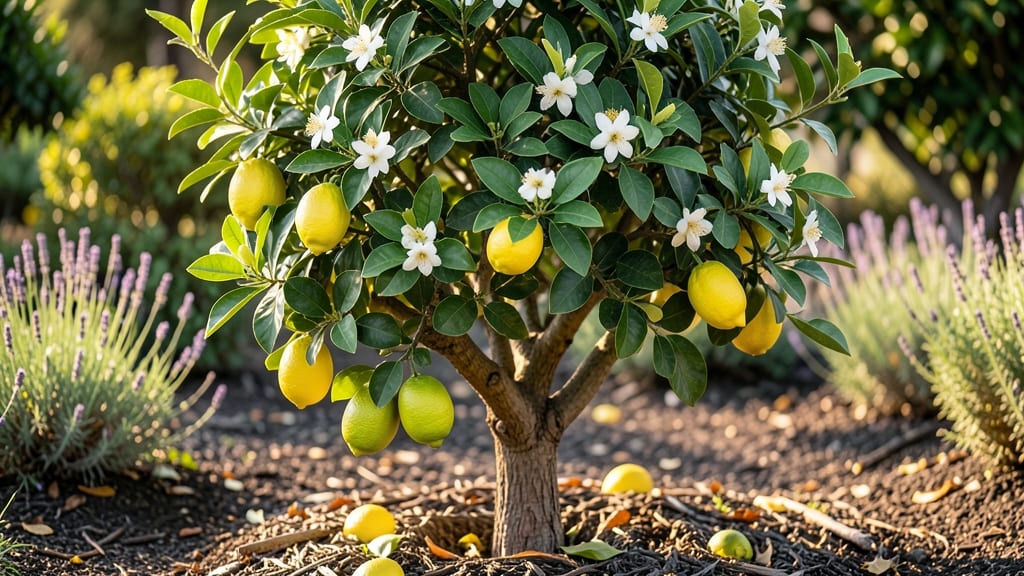
Growing an Italian lemon plant creates a fragrant, evergreen privacy screen that doubles as a kitchen-side citrus tree. 🌿 The Meyer lemon variety thrives in containers or in-ground, offering glossy foliage and occasional sweet-tart fruit—even in cooler climates where true lemons fail.
My first plant, a 3-gallon container specimen, now stands 6 feet tall and blooms year-round with minimal effort.
These plants demand full sun—at least 6-8 hours daily—and well-draining soil mixed with compost. In containers, use a pot 12+ inches deep with drainage holes, and repot every 2-3 years. Water when the top inch of soil feels dry, but avoid soggy roots—they’re the #1 cause of leaf drop.
A balanced citrus fertilizer applied every 6 weeks keeps growth vigorous and fruit production steady.
Pruning shapes the plant and encourages bushier growth, but timing matters. Lightly trim after flowering to redirect energy to foliage, and remove any leggy stems in early spring. With proper care, you’ll enjoy year-round fragrance, glossy dark green leaves, and occasional lemons that taste sweeter than grocery store varieties.
The scent alone makes it worth growing.
For indoor growing, place near a south-facing window with supplemental grow lights in winter. Outdoor plants handle mild winters down to 20°F with protection, but true citrus lovers need winter shelter.
Troubleshoot slow growth with more sunlight or fertilizer, and yellow leaves with better drainage. The payoff? A living privacy screen that smells like summer all year.
📚 In This Guide
- What you need
- Instructions
- Tips and common mistakes
- Wrapping up and next steps
What you need
- ● Italian Lemon Plant: 1 nursery-grown sapling (3–6 inches tall) or 3–5 cuttings (4–6 inches long) with 2–3 leaf nodes each.
- ● Well-draining potting mix: 5–10 gallons (depending on pot size) of a blend like 50% cactus/succulent mix + 50% perlite/pumice.
- ● Containers or in-ground space: For pots: 1–2 large containers (15–20 gallons each) with drainage holes, or 3–5 smaller pots (5-gallon minimum).
- ● For in-ground planting: A sunny spot with 6+ feet of space per plant (for a lush privacy screen).
- ● Fertilizer: 1 cup of citrus-specific fertilizer (10-10-10 or 8-3-9 NPK) or a slow-release granular formula.
- ● Pruning shears: Sharp, sterilized shears for trimming (or a bypass pruner for larger branches).
- ● Mulch: 2–3 inches of wood chips or straw to retain moisture and regulate soil temp.
- ● Gloves: Gardening gloves to protect your hands from thorns.
- ● Spray bottle: For misting young plants (especially in dry climates).
- ● Support stakes or trellis: 2–3 bamboo stakes or a metal trellis (6+ feet tall) for training vertical growth.
- ● pH test kit: To check soil acidity (ideal range: 6.0–7.0 for lemons).
- ○ Rooting hormone: (Optional) For cuttings—dip stems in powder or gel before planting.
- ○ Drip irrigation system: (Optional) For automated watering in larger setups.
Step-by-step instructions for creating a citrus scented privacy screen
Here's how to craft a fragrant, evergreen screen that doubles as a living room divider.
🌱 Step 1: Select and Prepare the Site
Choose a location with 6+ hours of morning sun—Italian lemon plants (Citrus × limon 'Meyer') thrive in bright light but avoid harsh afternoon rays that can scorch the glossy leaves. The site should be at least 8 feet wide to accommodate four mature plants spaced 6 feet apart, creating a lush, 6-foot-tall barrier.
Test the soil pH—Italian lemons prefer slightly acidic to neutral (6.0-7.0). If your soil is heavy clay, amend with 2-3 inches of compost mixed into the top 12 inches of soil. This improves drainage while retaining moisture, which these Mediterranean natives appreciate. I always dig a 1-foot-deep hole for each plant to accommodate the root ball without bending stems.
🪴 Step 2: Plant the Italian Lemon Trees
Remove each tree from its container and loosen the roots gently—this encourages them to spread into the surrounding soil. Place the root ball into the hole so the top of the root ball sits 1 inch below the soil line (this prevents stem rot from settling soil). Backfill with native soil mixed with 1 cup of slow-release citrus fertilizer per hole.
Water deeply immediately after planting to eliminate air pockets and settle the soil. The top 2 inches should feel moist but not soggy—you'll know it's right when water drains through within 10-15 minutes. Mulch the base with 2 inches of wood chips, keeping mulch 3 inches away from the trunk to prevent moisture buildup that causes rot.
☀️ Step 3: Establish Watering and Light Routines
For the first 4 weeks, water twice weekly to help roots establish. After that, shift to deep watering every 5-7 days, checking moisture by sticking your finger 2 inches into the soil. If it feels dry, water until it's moist 6 inches down—these plants hate drought stress but equally despise soggy roots.
Position a 5-gallon nursery container near each plant to collect rainwater for supplemental irrigation. Italian lemons respond beautifully to morning misting during hot spells—just a light spray on the leaves mimics their native Mediterranean climate and keeps foliage vibrant. Avoid evening watering to prevent fungal diseases from lingering on damp leaves overnight.
✂️ Step 4: Prune for Shape and Fruit Production
Prune in late winter (February) to encourage new growth and shape the screen. Remove any dead, crossing, or inward-growing branches first, cutting back to the nearest outward-facing bud. Then, trim the outer branches to maintain a rounded, bushy form—this ensures sunlight reaches all leaves and prevents a leggy, sparse look.
In early spring (March), fertilize with a balanced citrus fertilizer (10-10-10) applied every 6 weeks until July. This timing coincides with the plant's natural growth flush and produces the sweetest, most fragrant lemons. Here's the thing—Italian lemons are self-pollinating, but you'll get more fruit if you gently shake branches during bloom to release pollen.
🌿 Step 5: Winter Care for Year-Round Foliage
While Italian lemons tolerate light frost (down to 20°F), protect your screen during hard freezes (below 15°F). Wrap each trunk with burlap and cover the entire plant with a frost blanket, securing it with stakes. Remove the blanket on mild days (above 40°F) to prevent heat buildup and fungal growth.
Reduce watering in winter months—soil stays cooler and retains moisture longer. A light monthly application of fertilizer keeps the plants energized for spring growth. The key is to avoid pruning in winter—wait until late winter when new growth signals the plant is ready to respond to cuts. Your screen will reward you with glossy, fragrant foliage year-round and a harvest of sweet, aromatic lemons in late fall.
Tips & tricks for perfect Italian lemon privacy screens
Creating a fragrant living screen takes patience—and these insider tips will help you avoid common pitfalls while maximizing that citrusy aroma.
Site Selection Secret: While the instructions call for 6+ hours of morning sun, I always scout locations during the hottest part of the day first. Italian lemons can handle afternoon sun in cooler climates (USDA zones 8-10), but in hotter areas, afternoon shade after 2 PM prevents leaf scorch. Test your spot for 2 weeks before planting to observe how the light shifts throughout the day.
Planting Depth Matters: The instructions specify placing the root ball 1 inch below soil line, but here's what nobody tells you—this is critical for preventing stem rot. If your soil settles after watering, add a small mound of soil around the base to maintain this level. I use a level tool to verify the exact depth after backfilling, especially in clay soils that compact easily.
Watering Wisdom: That 10-15 minute drainage test after planting is non-negotiable, but I've learned to adjust my approach based on soil type. In sandy soils, water until you see moisture 6 inches down—it drains too quickly otherwise. In clay, let the top 2 inches dry slightly between waterings to prevent waterlogging. A moisture meter becomes your best friend during the critical first 4 weeks.
Fertilizer Timing: The 6-week fertilizer schedule from March to July aligns perfectly with the plant's growth cycle, but here's my pro move: I split each application into two—half in early spring (March) and half in late spring (May). This gradual release prevents fertilizer burn while still supporting that sweet lemon production. I also mix in a handful of Epsom salt with each application for extra magnesium, which Italian lemons love.
Pro Tips for Italian Lemon Plant
- Creating a fragrant living screen takes patience—and these insider tips will help you avoid common pitfalls while max...
- Site Selection Secret: While the instructions call for 6+ hours of morning sun, I always scout locations during the h...
- Planting Depth Matters: The instructions specify placing the root ball 1 inch below soil line, but here's what nobody...
Frequently asked questions
Got questions about growing your own Italian lemon plant privacy screen?
Here are some of the most common ones—plus quick, practical answers to help you succeed!
How fast does an Italian lemon plant grow?
The Citrus × limon 'Four Seasons' grows at a moderate pace—expect 12–24 inches per year under ideal conditions (full sun, well-draining soil, and regular watering). With proper care, it can reach 10–15 feet tall over 5–10 years, making it perfect for a lush, fragrant privacy screen. Patience pays off for that dreamy citrus scent!
Can Italian lemon plants survive winter?
This evergreen beauty is hardy to USDA Zones 9–11, but colder climates need protection. In Zones 8 or below, grow it in containers and move indoors during frost, or mulch heavily and wrap the trunk with burlap. Young plants are more vulnerable—consider a frost cloth for extra defense. With the right prep, it’ll bounce back come spring!
Will my Italian lemon plant produce edible lemons?
While it’s called a "lemon" plant, its fruit is small, tart, and not typically used for cooking—think more of a decorative citrus than a grocery-store lemon. The real star? Its fragrant, glossy foliage and year-round greenery. That said, the leaves are edible—use them fresh in teas or garnishes for a bright, herbal twist!
What pests should I watch for on my Italian lemon plant?
Keep an eye out for scale insects, spider mites, and aphids, which love citrus. Neem oil or insecticidal soap are your best friends for treatment. For prevention, prune regularly to improve airflow and wipe leaves with a damp cloth to remove dust. A healthy plant is a happy plant—and pests won’t stand a chance!
Can I grow an Italian lemon plant in a container?
Containers are ideal for small spaces, patios, or colder climates where winter protection is needed. Use a 15–20 gallon pot with drainage holes and a well-draining potting mix (like cactus/succulent blend). Just remember to water more frequently (containers dry out faster) and fertilize every 4–6 weeks during growing season. Bonus: You can move it to brighten up your porch year-round!
Wrapping up and next steps
Growing an Italian lemon plant as a fragrant privacy screen is a rewarding way to blend beauty, utility, and year-round charm into your garden. With its glossy foliage, citrusy aroma, and low-maintenance nature, this versatile plant offers both practical benefits and sensory delights.
Whether you’re a seasoned gardener or just starting out, now’s the perfect time to plant, nurture, and enjoy the vibrant allure of this Mediterranean treasure.
Ready to take the next step? Sketch a layout for your privacy screen, gather your supplies, and start planting—your future lemon-scented oasis awaits! 🌿✨