
Planting
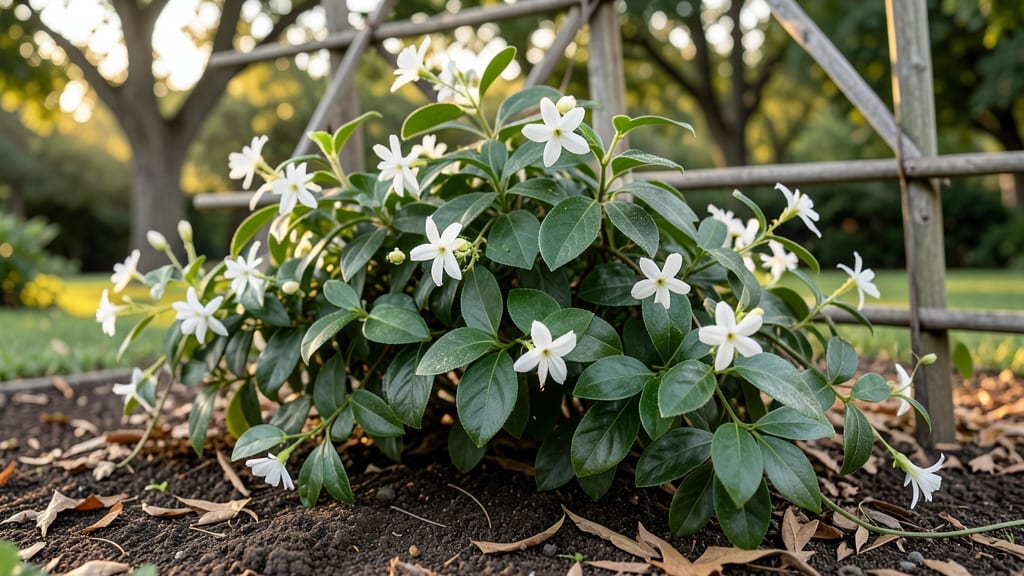
Your garden just got a fragrant upgrade with the Kate jasmine plant—this hardy climber delivers velvety white blooms and intoxicating nighttime scent that turns any fence or trellis into a natural perfume factory. ✨ I’ve grown it for years, and the secret to its success lies in mimicking its natural habitat: moist, well-draining soil and partial shade that keeps leaves lush without scorching them.
The best part? It thrives in zones 7-9, meaning you can plant it in early spring or fall—just avoid frost, which it can’t handle. Start with a 5-gallon container if transplanting, or direct-sow seeds ½ inch deep in loose soil.
Within 6-8 weeks, you’ll spot those first glossy leaves, and by summer, fragrant clusters will cover your structure like a living tapestry. What you’ll love most is how low-maintenance it is—water once a week (more in heatwaves) and prune only to shape.
The blooms return yearly, and the scent? Unmatched—think gardenia meets garden party. Perfect for small spaces, balconies, or even training along a pergola where you can enjoy the aroma up close.
Here’s the catch: don’t overwater—soggy roots lead to leaf drop, and mulch heavily in winter to protect roots from freeze-thaw cycles. With these tweaks, your Kate jasmine will reward you for years with effortless beauty and that signature intoxicating perfume.
📚 In This Guide
- What you need
- Instructions
- Tips and common mistakes
- Wrapping up and next steps
What you need
- ● Kate Jasmine plant: 1 nursery-grown plant (3–5 gallons, 12–18" tall) or
- ● Seedlings (if propagating from seed—expect a 2–3 year wait for blooms!)
- ● Well-draining potting mix or garden soil: 5–10 gallons (amend with 1 part perlite or sand per 3 parts soil to prevent root rot).
- ● Organic compost or slow-release fertilizer: 1–2 cups (look for a balanced 10-10-10 or rose-specific blend).
- ● Mulch: 2–3 inches of pine bark fines or wood chips (keeps roots cool and retains moisture).
- ● Garden trowel or shovel (for transplanting).
- ● Pruning shears (sterilized with rubbing alcohol to prevent disease).
- ○ Gloves (optional but recommended—jasmine thorns can be persnickety!).
- ● Watering can or hose with a gentle spray nozzle (Kate Jasmine hates soggy roots).
- ● Measuring tape or ruler (for spacing—aim for 3–5 feet apart for mature plants).
- ● Epsom salt (1 tbsp/month in water for magnesium boost—jasmine loves it!).
- ● Coffee grounds (sprinkle lightly around the base to deter pests and add nitrogen).
- ● Trellis or arbor (if training as a climbing vine—use galvanized wire for durability).
- ● Slow-release fertilizer spikes (for low-maintenance feeding).
- ● Plant support stakes (if your Kate Jasmine is young or leggy).
How to plant and care for a thriving Kate jasmine vine
This fragrant beauty needs just a few key steps to flourish and fill your garden with intoxicating scent.
🌱 Step 1: Choose the Perfect Planting Location
Kate jasmine thrives in partial shade to full sun, with at least 4-6 hours of morning sunlight to prevent leaf scorch. I always select a spot near a trellis, fence, or pergola—this vine can climb 15-20 feet if given support. The soil should drain well but retain moisture; amending heavy clay with 2-3 inches of compost works wonders.
Test your spot by observing how other plants grow there. If nearby shrubs look stressed or wilted, the location may be too hot or dry. Kate jasmine tolerates urban pollution better than many varieties, making it ideal for city gardens.
🪴 Step 2: Plant with Proper Spacing and Support
Dig a hole twice as wide as the root ball but no deeper. Position your 4-inch container-grown plant so the top of the root ball sits 1 inch below soil level—this prevents root exposure as the soil settles. Gently remove the plant, loosen any circling roots with your fingers, and spread them outward in the hole.
Install a 5-foot tall trellis or sturdy post at least 6 inches behind the planting hole—jasmine needs support from day one. Backfill with native soil mixed with 1 cup of slow-release fertilizer, then water deeply to eliminate air pockets. Mulch with 2 inches of wood chips to conserve moisture and regulate soil temperature.
☀️ Step 3: Water and Fertilize for Optimal Growth
Keep the soil evenly moist but never soggy during the first 6-8 weeks after planting. Water deeply 2-3 times per week until new growth appears—you'll know it's right when the soil feels damp 2 inches down but not saturated. Overwatering causes root rot, while underwatering stresses the plant before it establishes.
Feed lightly in spring with a balanced 10-10-10 fertilizer applied every 6 weeks. I switch to an organic bloom booster in late summer to encourage those signature white, star-shaped flowers that perfume the evening air. Stop fertilizing 6 weeks before first frost to let the plant harden off naturally.
✂️ Step 4: Prune for Health and Abundant Blooms
Prune late winter or early spring before new growth begins. Remove dead, diseased, or crossing branches first, then cut back any overlong stems to half their length. This encourages bushier growth and more flower clusters. I also shape the vine to fit its support structure—jasmine grows best when trained along a trellis rather than sprawling randomly.
After flowering, trim back spent blooms to just above a set of leaves (never to bare wood). This redirects the plant's energy into next year's flowers rather than seed production. Wear gloves—jasmine's leaves contain mild irritants that can cause skin sensitivity.
🌿 Step 5: Overwinter for Next Season's Fragrance
Kate jasmine is hardy to USDA Zone 7, but younger plants need protection. Once temperatures drop below 25°F, wrap the trellis and vine in burlap or frost cloth, leaving the base uncovered. In colder zones, mound 4-6 inches of mulch around the base to insulate roots. Prune lightly in late winter to remove any frost-damaged growth before new shoots emerge.
The first flush of spring growth is always the most vigorous—watch for bright green leaves in early March as your signal to resume regular care. With proper winter protection, your jasmine will reward you with years of fragrant blooms and minimal maintenance.
Tips & tricks for perfect Kate jasmine plant care
These insider secrets will help you cultivate a fragrant, thriving Kate jasmine vine that fills your garden with intoxicating scent for years to come.
Location Intelligence: The 4-6 hours of morning sunlight mentioned in Step 1 is crucial for preventing leaf scorch, but timing matters just as much. Plant on a cool, cloudy day to reduce transplant shock—jasmine's delicate leaves can crisp in direct afternoon sun. I've found that positioning the trellis on the north side of the planting spot provides natural shade during the hottest afternoon hours while still allowing morning sun exposure.
Support Strategy: That 5-foot trellis recommendation in Step 2 is non-negotiable for proper growth, but here's what nobody tells you—install your support BEFORE planting. Drive the trellis posts at least 6 inches into the ground for stability, then plant your jasmine 3-4 inches away from the trellis. This gives you room to weave the vine through the structure immediately, encouraging it to climb naturally rather than sprawl.
Watering Wisdom: The 6-8 week watering window in Step 3 is your critical establishment period, but don't rely solely on the schedule. Check soil moisture by inserting your finger 2 inches down—it should feel like a wrung-out sponge. I've seen many gardeners overwater during this phase because they assume "evenly moist" means constantly wet. Use a moisture meter if you're unsure; jasmine roots need oxygen too.
Pruning Precision: When cutting back overlong stems to half their length in Step 4, always make your cuts just above a leaf node where new growth can emerge. I use clean, sharp pruners and make 45-degree angles to prevent water from pooling on the cut. This technique also reduces the risk of disease entry points. For heavy pruning jobs, wear gloves—the jasmine's oils can cause skin irritation for some people.
Pro Tips for Kate Jasmine Plant
- These insider secrets will help you cultivate a fragrant, thriving Kate jasmine vine that fills your garden with into...
- Location Intelligence: The 4-6 hours of morning sunlight mentioned in Step 1 is crucial for preventing leaf scorch, b...
- Support Strategy: That 5-foot trellis recommendation in Step 2 is non-negotiable for proper growth, but here's what n...
Frequently asked questions
How often should I water my Kate Jasmine plant?
The Kate Jasmine thrives with moderate moisture—water it when the top 1-2 inches of soil feel dry. Overwatering can lead to root rot, so ensure the pot has drainage holes. During hot summers, watering every 2-3 days may be needed, while winter care can be reduced to once a week. Pro tip: Use your finger to check soil moisture for precision!
When is the best time to prune my Kate Jasmine for optimal blooms?
Prune your Kate Jasmine right after flowering (late spring to early summer) to encourage bushier growth and more blooms. Avoid heavy pruning in fall or winter, as it can stress the plant. Trim back leggy stems by one-third and remove dead or yellowing leaves to maintain its shape and health.
Can I grow Kate Jasmine indoors? If so, what care adjustments are needed?
Yes! Kate Jasmine adapts well to indoor life, but it needs bright, indirect light (like an east-facing window). Keep humidity levels higher with a pebble tray or humidifier, as indoor air can dry it out. Rotate the pot occasionally for even growth, and avoid cold drafts. Warning: It may bloom less indoors due to lower light.
Why aren’t my Kate Jasmine flowers fragrant, and how can I fix it?
Fragrance fades if the plant lacks sunlight, nutrients, or proper watering. Move it to a sunnier spot (6+ hours of light daily) and fertilize monthly during growing season with a balanced, mild fertilizer. Prune to improve airflow, and avoid overwatering—root stress can dull scent. Bonus: A warm, humid environment boosts fragrance!
What are some low-maintenance alternatives to Kate Jasmine for fragrant gardens?
If Kate Jasmine seems too demanding, try these fragrant, easy-care plants:
- Lavender – Drought-tolerant and thrives in full sun.
- Jasmine (Trachelospermum jasminoides) – Hardy and climbs well with minimal care.
- Gardenia – Loves shade and produces creamy, highly fragrant blooms.
- Sweet Alyssum – Fast-growing annual with a honey-like scent.
Wrapping up and next steps
The Kate Jasmine plant is a fragrant, low-maintenance gem that can effortlessly elevate your garden or indoor space with its sweet, intoxicating blooms.
Whether you're drawn to its easy care, versatile uses, or natural beauty, this plant is a game-changer for any green thumb—or even a beginner! 🌿✨
Ready to bring home your own Kate Jasmine? Start by choosing your favorite variety, gathering the right supplies, and giving it the love it deserves. Your fragrant oasis is just a few steps away!
- Next step: Pick your spot, plant with care, and enjoy the relaxing aroma it brings to your world.