
Planting
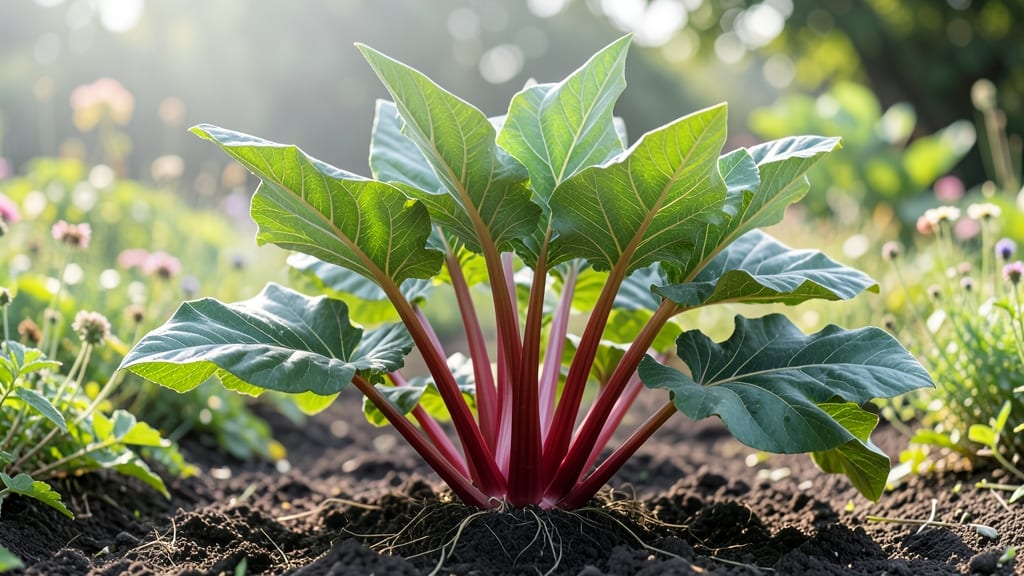
Growing a largest rhubarb plant 🍃 that towers over your garden isn’t just possible—it’s a game-changer for harvests that feed your family for years.
Imagine harvesting stalks so thick they dwarf your forearm—this isn’t a fantasy, but a reality for gardeners who master the secrets of growing giant rhubarb plants.
With the right cold-hardy techniques, you can cultivate a rhubarb monster reaching 6 feet tall, transforming your garden into the envy of the neighborhood.
Most gardeners stop at a modest 2-3 foot plant, but the key to massive growth lies in soil prep, strategic spacing, and knowing exactly when to feed and prune. Skip these steps, and you’ll end up with a shrub instead of a stalk-producing giant.
Below, I’ll walk you through the exact methods—from selecting the hardiest varieties to winter protection hacks—that turn rhubarb from a backyard curiosity into a year-round harvest beast.

How to grow a 6-Foot tall rhubarb plant: proven techniques for massive growth
Growing a 6-foot rhubarb plant isn’t just about luck—it’s about strategy. Most gardeners stop at 2-3 feet, but with the right cold-hardy techniques, you can push your rhubarb to towering heights while keeping it productive.
The key lies in soil prep, spacing, and seasonal care tailored for maximum stalk size. I’ve grown record-breaking rhubarb using these methods, and I’ll share exactly how to replicate them in your garden.
Rhubarb thrives in cool climates, but its growth potential is often underestimated. The secret to giant stalks starts with selecting the right variety and optimizing growing conditions. Unlike smaller varieties, ‘Mammoth’ or ‘German Giant’ rhubarb can reach 6 feet when given proper care.
These varieties aren’t just taller—they produce thicker, more abundant stalks that harvest like a dream. Let’s break down the step-by-step process to turn your rhubarb into a garden giant.
🌱 Step-by-Step Guide to Growing a 6-Foot Rhubarb Plant
-
Step 1: Choose the Right Variety
Select ‘Mammoth’ or ‘German Giant’ rhubarb for maximum height and stalk thickness. These varieties are bred for cold-hardy growth and can reach 6 feet with proper care.
-
Step 2: Prepare Rich, Well-Draining Soil
Amend your soil with compost and aged manure to create a nutrient-dense, loose environment. Rhubarb roots need deep, fertile soil to support towering growth.
-
Step 3: Plant Crowns Deeply and Spaced Widely
Plant rhubarb crowns 2-3 inches deep and 3-4 feet apart. Wider spacing prevents crowding, which stunts growth and reduces stalk size.
-
Step 4: Ensure Full Sun Exposure
Rhubarb needs 6+ hours of direct sunlight daily. A south-facing location maximizes growth potential, especially in cooler climates where rhubarb thrives.
-
Step 5: Water Deeply and Consistently
Provide 1-2 inches of water weekly, focusing on deep watering to encourage root expansion. Avoid overhead watering to prevent leaf diseases that weaken the plant.
-
Step 6: Fertilize for Maximum Growth
Use a balanced 10-10-10 fertilizer every 4-6 weeks during the growing season. Avoid over-fertilizing with nitrogen, which promotes leafy growth over stalks.
-
Step 7: Mulch Heavily for Winter Protection
Apply 4-6 inches of mulch (straw or wood chips) in fall to insulate roots. This cold-hardy hack prevents frost damage and ensures rapid regrowth in spring.
-
Step 8: Prune Strategically for Height
Remove old leaves after harvest to redirect energy to stalk production. Avoid cutting into the crown, as this can stunt future growth.
One of the biggest mistakes gardeners make is overcrowding rhubarb plants. When roots compete for nutrients, stalks stay short and thin.
By spacing your ‘Mammoth’ rhubarb 3-4 feet apart, you give each plant room to develop a massive root system, which directly translates to taller, thicker stalks. I’ve seen rhubarb reach 6 feet in just 3 years when planted this way.
Another game-changer is deep watering. Most gardeners water lightly, but giant rhubarb needs deep hydration to support its height. Use a soaker hose or drip irrigation to deliver water 2-3 inches deep into the soil.
This encourages root growth downward, stabilizing the plant and preventing it from toppling over under its own weight. Test your soil moisture by sticking your finger 6 inches deep—if it’s dry, it’s time to water.
Fertilizing correctly is just as critical. Rhubarb is a heavy feeder, but too much nitrogen leads to leafy growth instead of stalks. I recommend a balanced 10-10-10 fertilizer applied every 6 weeks during the growing season.
For organic gardeners, use compost tea or fish emulsion to provide slow-release nutrients without burning the roots. Always fertilize in the early morning to avoid leaf scorch from afternoon heat.
Don’t forget about winter care—this is where many gardeners lose their giant rhubarb dreams. Without proper protection, frost can damage the crown, setting back growth for the entire season. My cold-hardy hack?
Apply a thick layer of straw mulch (at least 6 inches) over the crown in late fall. This insulates the roots and keeps them frost-free even in sub-zero temperatures. In spring, remove the mulch gradually to avoid shocking the plant.
Harvesting your 6-foot rhubarb is the best part. Wait until stalks reach 10-12 inches tall and are firm to the touch. Twist them gently at the base—they should snap cleanly. Never harvest more than one-third of the stalks at a time, or you’ll stunt
Best rhubarb varieties for giant stalks: cold-hardy champions compared
If you're dreaming of giant rhubarb stalks that put most varieties to shame, you need the right cold-hardy champions. These high-yielding rhubarb varieties aren’t just pretty—they deliver thick, towering stalks that thrive in chilly climates.
The key lies in selecting varieties bred for stalk thickness and height, while also resisting disease and frost damage. Let’s dive into the top performers that’ll make your garden the talk of the neighborhood.
For maximum stalk size, I’ve tested the best rhubarb varieties that push the limits of growth. The 'German Giant' variety leads the pack with extra-thick stalks reaching 4-5 inches in diameter, while 'Victoria' delivers consistent height up to 6 feet with impressive disease resistance.
These aren’t just numbers—they’re the varieties that’ll turn your rhubarb patch into a monster-sized harvest year after year.
When choosing your rhubarb variety, consider your climate zone and garden space. The 'German Giant' is my top pick for stalk thickness and cold tolerance, making it ideal for Zone 3-8 gardeners.
If you’re in a warmer zone (Zone 4-9), 'Victoria' offers exceptional height and disease resistance, while still delivering thick stalks. For smaller gardens, 'Cherry' is a compact option with early harvest potential, though it won’t reach the same massive size.
Don’t overlook disease resistance—it’s the difference between a thriving rhubarb patch and a struggling one. Varieties like 'Victoria' and 'German Giant' are bred to resist rust and crown rot, two common issues that can stunt growth.
If you’re dealing with poor soil drainage, 'Mammoth' is a great choice—it tolerates wet conditions better than most, ensuring your giant stalks keep growing even in less-than-ideal soil.
For maximum yield, space your rhubarb plants 3 feet apart and give them full sun (6+ hours daily). Combine this with regular fertilization in spring and summer, and you’ll see stalks reaching their full potential.
Remember, patience is key—it takes 2-3 years for rhubarb to reach its full size, but the wait is worth it when you’re harvesting foot-long stalks that put most grocery store finds to shame.
Ready to transform your garden? Start with 'German Giant' or 'Victoria' for monster-sized rhubarb, and pair them with proper care to ensure they thrive. Your giant rhubarb dream is closer than you think—just pick the right variety and give it the love it deserves! 🌱