
Planting
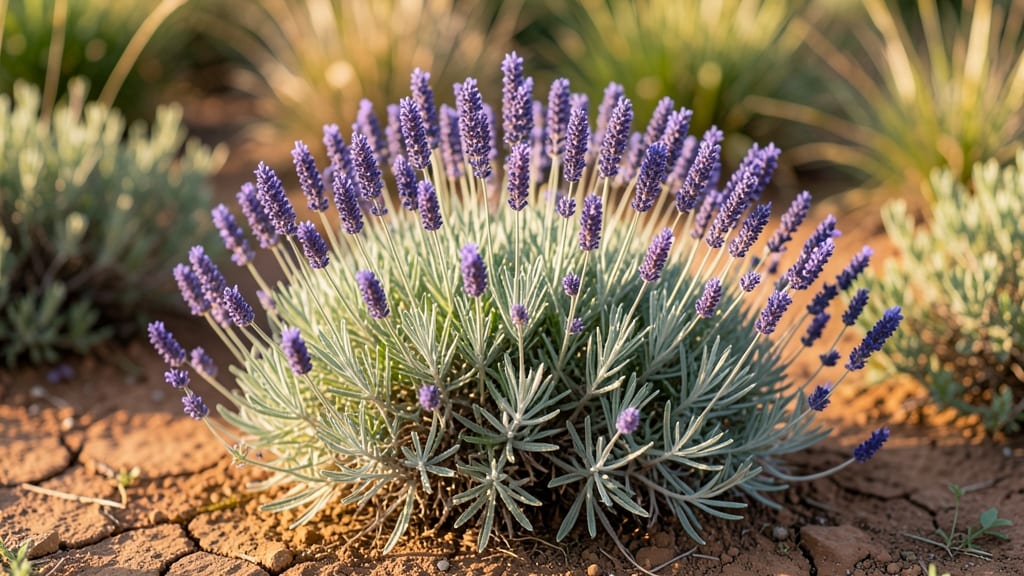
Growing lavender cone plant (Lavandula stoechas) means purple floral spikes that smell like summer in a pot. 🌿 I've grown these fragrant beauties for years—they're the showstopper in my sunny garden beds, with their unique cone-shaped blooms that last from early summer through fall.
The secret to their success? Full sun, well-draining soil, and almost no fuss once established.
This Mediterranean native thrives in 6+ hours of direct sunlight daily, making it perfect for sunny windowsills, container gardens, or dry, rocky slopes. The soil mix should be sandy and gritty—think 50% potting soil, 30% perlite, and 20% coarse sand—to prevent root rot.
Water only when the top inch feels dry; these plants hate soggy roots but bounce back from drought like champions.
Pruning isn't just about tidiness—it keeps your lavender bushy and blooming. After the first flush of flowers fades, trim back one-third of the plant to encourage fresh growth. The scent alone is worth it: crush a leaf and you'll smell that signature lavender perfume, stronger than any store-bought sachet.
Pests rarely bother these tough plants, but watch for spider mites in dry heat. A quick spray with water usually clears them up. Once established, lavender cone plants spread slowly, making them ideal for borders or as a fragrant hedge.
With minimal care, you'll have purple spikes that last for years—and neighbors begging for cuttings.
📚 In This Guide
- What you need
- Instructions
- Tips and common mistakes
- Wrapping up and next steps
What you need
- ● Lavender cone plant (Lavandula stoechas) – 1 to 3 nursery-grown plants (choose healthy, well-established specimens with vibrant purple blooms).
- ● Well-draining potting mix or garden soil – 5 to 10 gallons, amended with sand or perlite (20-30% by volume) to prevent root rot.
- ● Garden bed or large container – Minimum 12-inch depth for in-ground planting; 10-12" diameter pots for container growing (ensure drainage holes!).
- ● Compost or organic fertilizer – 1 to 2 cups of low-nitrogen, phosphorus-rich fertilizer (e.g., 5-10-10 or bone meal) to support blooming.
- ● Watering can or hose with a gentle spray nozzle – Avoid overwatering; lavender hates soggy roots!
- ● Pruning shears or sharp scissors – For shaping and maintaining your plant (sterilize blades with rubbing alcohol).
- ● Mulch (gravel or pebbles) – Helps retain heat and improve drainage around the base.
- ● Slow-release fertilizer tablets – For container plants, place 1-2 tablets in the soil for steady nutrition.
- ● Drip irrigation kit – Automates watering and reduces stress on the plant.
- ● Epsom salt (magnesium sulfate) – 1 tablespoon dissolved in water monthly to boost bloom production.
- ● Supportive trellis or stake – If growing in windy areas, a small stake can prevent flopping.
Instructions for growing a thriving lavender cone plant
Here's how to cultivate those stunning purple lavender spikes that'll turn your garden into a fragrant paradise.
🌱 Step 1: Choose the Perfect Planting Location
Lavender cone plants demand full sun—at least 6-8 hours daily. I always pick the sunniest, driest spot in my garden because lavender hates soggy roots. A south-facing slope or raised bed works beautifully, as it naturally improves drainage.
Test your spot by observing how dry it stays. If water pools after rain, amend the soil with 2-3 inches of gravel or plant in a container with drainage holes. The goal is soil that dries out completely between waterings. You'll know you've picked well when the lavender thrives year after year with minimal care.
🪴 Step 2: Prepare the Soil for Optimal Growth
Lavender thrives in poor, well-draining soil. Mix equal parts garden soil and coarse sand or perlite to create the perfect airy medium. I avoid rich compost because it encourages leafy growth at the expense of those fragrant purple cones you love.
Dig a hole twice as wide as the plant's root ball but only as deep. Gently loosen the roots if they're circling the pot. Place the plant so the top of the root ball sits 1 inch below soil level—this prevents stem rot while allowing room for new growth. Backfill with your soil mix, tamping lightly to eliminate air pockets.
☀️ Step 3: Water Deeply but Infrequently
New lavender plants need 1 inch of water weekly during their first season, but established plants tolerate drought beautifully. Water deeply at the base rather than overhead to prevent fungal diseases. You'll know you're doing it right when the soil around the roots feels dry 2-3 inches down.
Here's the thing—lavender hates wet feet. If your area gets heavy rain, consider planting on a mound or in containers with drainage. Mulch lightly with ½ inch of gravel (not organic mulch) to preserve moisture while keeping roots cool. Within a year, your lavender will develop deep roots that reach water naturally.
✂️ Step 4: Prune for Bushier Growth and More Blooms
Prune lavender immediately after flowering to encourage next year's blooms. Using clean, sharp shears, cut back one-third of the current year's growth—this stimulates bushier, more compact growth. I avoid cutting into old wood because it won't regrow.
Shape the plant lightly after pruning to maintain its natural form. Never prune into the woody base—this kills the plant. The best time to prune is when the flowers fade but before new growth begins. You'll see fuller plants with more abundant blooms the following season if you stick to this schedule.
🌿 Step 5: Maintain Through Seasons for Long-Term Health
Lavender is remarkably low-maintenance once established. In winter, protect young plants with 2-3 inches of mulch or burlap if temperatures drop below 10°F. Mature plants handle frost well but may need winter protection in harsh climates.
Fertilize lightly in early spring with ½ teaspoon of balanced 10-10-10 fertilizer per plant. Too much nitrogen produces leafy growth at the expense of those fragrant cones. Watch for pests like spider mites—spray with water if you see webbing, as lavender rarely needs chemical treatments. With proper care, your lavender will reward you with years of fragrant purple blooms.
Tips & tricks for perfect lavender cone plant care
Here's what nobody tells you about growing lavender that actually makes the difference between a struggling plant and a fragrant garden star.
Sunlight Secret: That 6-8 hours of daily sun is non-negotiable, but here's the thing—morning sun is more important than afternoon heat. I've seen lavender burn in intense afternoon sun, even in hot climates. If your spot gets intense afternoon rays, consider partial shade during peak hours (1-4 PM) to prevent leaf scorch while still getting those critical morning sun hours.
Soil Mix Upgrade: When mixing equal parts garden soil and coarse sand or perlite, I add a handful of crushed granite to the mix—it mimics the rocky Mediterranean soil lavender loves. This creates even better drainage than plain sand. The goal is soil that feels like a dry sponge when squeezed, not muddy clay. Test your mix by filling a cup halfway and pouring water—it should drain completely in under 30 seconds.
Watering Wisdom: The 1-inch weekly watering guideline works for average conditions, but your actual needs depend on your climate. In my dry desert garden, I water every 10-14 days once established, while my friend in humid Florida waters every 5-7 days. Always check soil moisture by sticking your finger 2-3 inches down—if it's dry, water; if damp, wait. Overwatering is the #1 killer of lavender plants.
Pruning Precision: When cutting back one-third of current growth, I measure from the base of the plant—not the top. This ensures you're always cutting young growth that will regenerate, not the woody stems. Use clean shears and make cuts at a 45-degree angle just above a leaf node (the bump where leaves grow) to encourage bushier growth. I prune mine in early July after the first flush of blooms, which gives them plenty of time to prepare for next year's flowers.
Pro Tips for Lavender Cone Plant
- Here's what nobody tells you about growing lavender that actually makes the difference between a struggling plant and a fragrant garden star.
- Sunlight Secret: That 6-8 hours of daily sun is non-negotiable, but here's the thing—morning sun is more important than afternoon heat.
- Soil Mix Upgrade: When mixing equal parts garden soil and coarse sand or perlite, I add a handful of crushed granite to the mix—it mimics the rocky Mediterranean soil lavender loves.
Frequently asked questions
Got questions about growing or caring for your lavender cone plant? You’re not alone! Here are answers to the most common queries to help you cultivate these fragrant beauties with confidence.
How often should I water my lavender cone plant?
Water your lavender sparingly—about once a week during dry spells, but let the soil dry completely between waterings. Overwatering is the #1 killer of lavender! Pro tip: Use well-draining soil and a pot with drainage holes to prevent root rot.
When is the best time to prune lavender?
Prune your lavender right after flowering (late spring or early summer) to encourage bushier growth. Avoid heavy pruning in fall or winter—it can damage tender new growth. Use clean, sharp shears and trim only the woody stems by about 1/3.
Can lavender cone plants survive in partial shade?
While lavender loves full sun (6+ hours daily), it can tolerate light shade in hot climates. However, expect fewer flowers and slower growth. If your plant struggles, move it to a sunnier spot or choose a shade-tolerant variety like Lavandula stoechas (French lavender).
Why isn’t my lavender blooming?
Lavender skips blooms for a few common reasons:
- Too much nitrogen (fertilizer) = leafy growth, no flowers.
- Overcrowding or old wood (prune to rejuvenate).
- Poor drainage or underwatering (adjust care ASAP!).
What’s a good alternative if I can’t grow lavender?
If your climate or conditions aren’t ideal for lavender, try these fragrant, drought-tolerant alternatives:
- Rosemary – Hardy, aromatic, and loves sun.
- Russian Sage – Purple blooms, thrives in heat.
- Catmint – Long-lasting flowers, deer-resistant.
Wrapping up and next steps
The lavender cone plant is a fragrant, low-maintenance beauty that brings both color and calm to any sunny garden or container.
With its striking purple spikes and soothing scent, it’s perfect for beginners and seasoned gardeners alike—just remember to give it well-draining soil, plenty of sunlight, and occasional pruning to keep it thriving.
Ready to grow your own? Start small—plant a single lavender cone in a pot or patch of soil, and watch it transform your space into a serene, aromatic retreat. Happy planting! 🌿✨