
Planting
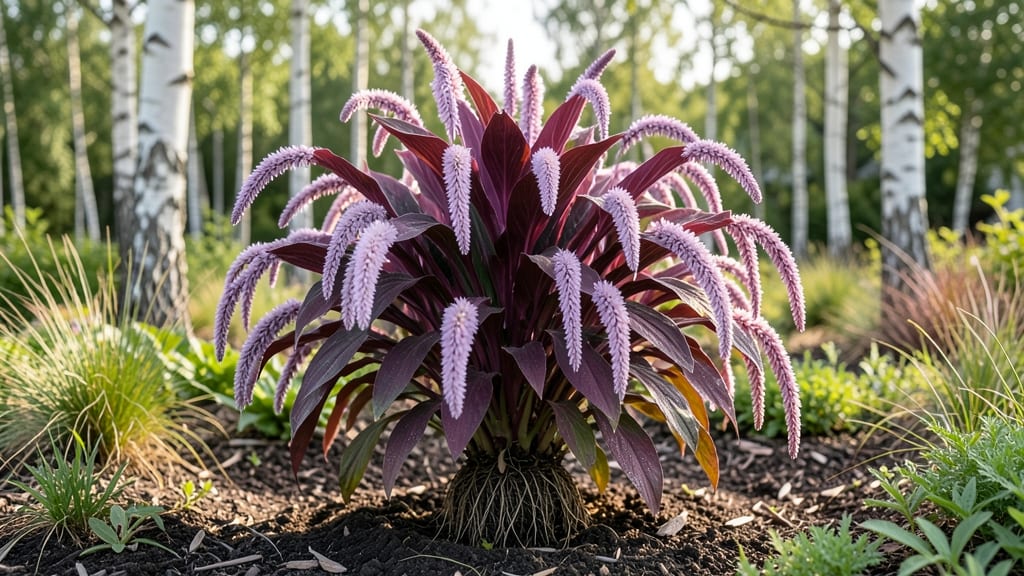
The purple amaranth plant is a nutrient-rich, edible annual with vibrant foliage and grain-like seeds, prized for its versatility in salads, grains, and ornamental gardens. It thrives in warm climates with full sun and well-drained soil, reaching heights of 3-6 feet when grown from seed.
The purple amaranth plant isn't just eye-catching—it's a powerhouse in the kitchen and garden. 🌱 Its leaves pack more protein than spinach, while the seeds offer a gluten-free alternative to quinoa, making it a staple in traditional Mexican and African cuisines.
The deep purple hues fade slightly when cooked, but the nutritional benefits remain intact. What's fascinating is how adaptable it is—you can harvest young leaves for salads or let the seeds mature for porridge and bread. Plus, its drought tolerance makes it perfect for hot climates where other greens struggle.
For gardeners, the key to success lies in patience and timing. Unlike many annuals, amaranth doesn't bolt easily, giving you a longer harvest window. I've found that planting seeds directly in the soil after the last frost—when temperatures consistently stay above 60°F—gives the best results.
The plants reward you with lush growth, and their striking colors add drama to any garden bed. Just watch for aphids, which occasionally target the tender shoots.
💡 In This Article
- Nutritional and Culinary Benefits of Purple Amaranth
- Step-by-Step Guide to Growing Purple Amaranth from Seeds
Nutritional and culinary benefits of purple amaranth
The purple amaranth plant stands out in the nutrition world because its leaves contain 3-4 times more protein per calorie than spinach, with a complete amino acid profile that rivals many animal proteins.
The deep purple leaves are rich in iron (2.5mg per 100g)—about 14% of the daily value—and calcium (100mg per 100g), making them an excellent choice for preventing anemia and supporting bone health.
The seeds, often called "pseudo-grains," pack an even more impressive nutritional punch with 13-15% protein by weight and 350-400mg of magnesium per 100g, which helps regulate blood pressure and muscle function. 💫
Culinarily, the plant offers two distinct harvests: tender leaves for salads and sautéing, and mature seeds for porridge or flour. Young leaves have a mild, earthy flavor similar to Swiss chard, while mature leaves develop a slightly bitter taste that works well in hearty stews.
The seeds, when toasted and ground, create a nutty, slightly sweet flour that's been used for centuries in traditional Mexican alegría (sweet rolls) and African togwa porridge. Unlike quinoa, amaranth seeds don't need rinsing before cooking, which saves time in the kitchen.
The deep purple color fades slightly when cooked but still adds visual appeal to dishes.
What makes amaranth unique is its versatility across cuisines. In Mexico, the leaves are commonly stir-fried with onions and tomatoes, while the seeds are popped like corn for a healthy snack. In West Africa, the seeds are ground into flour for tuwo shinkafa, a popular rice-free dish.
The plant's adaptability extends to modern diets too—its gluten-free seeds work well in vegan baking, and the leaves can be juiced for a nutrient-dense green drink. The key to maximizing flavor is harvesting leaves when they're young and tender (about 4-6 inches tall) before they develop bitterness.
Nutritionally, the seeds outperform many grains in terms of protein quality, with a higher lysine content than wheat or rice. This makes them particularly valuable in plant-based diets where protein completeness is a concern.
The leaves also contain significant amounts of vitamins A and C, with 10,000 IU of vitamin A per 100g—more than carrots—supporting eye health and immune function. The combination of these nutrients makes purple amaranth a complete food that addresses multiple dietary needs in a single plant. 🌱
For those new to cooking with amaranth, start with the leaves in salads or as a cooked green. The seeds require slightly more preparation—soaking overnight improves digestibility and reduces cooking time.
When using seeds in porridge, a 1:4 ratio of seeds to water works well, with cooking times of about 30-40 minutes on low heat. The resulting texture is creamy and slightly chewy, similar to oatmeal but with a more complex flavor profile.
The plant's nutritional benefits extend beyond human consumption. The leaves make excellent livestock feed due to their high protein content, and the seeds can be used for bird feed. This dual-purpose nature makes amaranth particularly valuable in sustainable farming systems where both food and feed are needed.
The plant's ability to thrive in poor soils and with minimal water also contributes to its ecological value. 🌿