
Planting
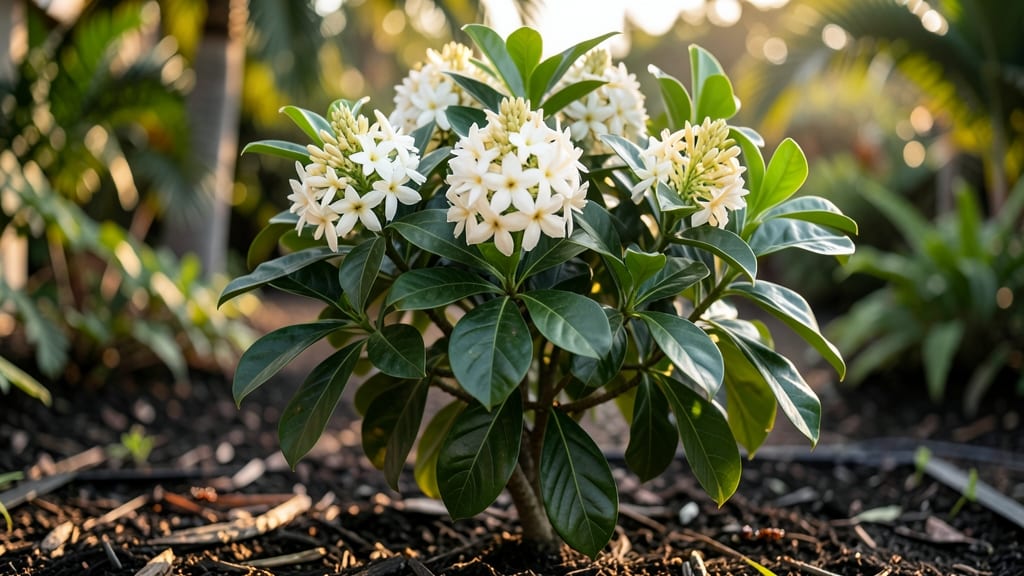
Your garden just got a million-dollar flowering plant upgrade—without the price tag. 🌸 This isn’t just a plant; it’s a statement piece that commands attention with its bold, fragrant blooms and lush foliage, turning any space into a showstopper.
Picture this: towering cannas with velvety petals in fiery reds and deep purples, or orchids like Phalaenopsis that bloom for months with a perfume that lingers like a summer evening.
These aren’t just pretty faces—they’re the kind of plants that make neighbors pause and ask, “What is that?” before you casually drop, “Oh, just my million-dollar plant.” The secret to their drama? Confidence in placement.
Use them as a focal point near your patio, where their scent and color draw you in every evening. Or line them along borders for a luxurious, high-end look that costs a fraction of what landscapers charge.
With the right light and a little TLC, they’ll reward you with year-round interest—even when others are dormant. Here’s the thing—you don’t need a greenhouse or a green thumb to make this work. Just 6 hours of sunlight, well-draining soil, and a little patience.
Let’s turn your garden into the envy of the neighborhood, one bold bloom at a time.
📚 In This Guide
- What you need
- Instructions
- Tips and common mistakes
- Wrapping up and next steps
What you need
- ● Million Dollar Plant (Lantana camara) – 1 healthy, well-established plant (3-5 gallons in size for best results). Choose a variety with vibrant blooms like 'New Gold,' 'Bandana,' or 'Lemon Lime.'
- ● Well-draining potting mix – 5-10 gallons (depending on pot size). Opt for a blend of cactus/succulent mix (60%) + perlite or pumice (40%) for aeration.
- ● Containers – At least 1 large pot (12"+ diameter) with drainage holes. Terracotta or fabric pots work best. For multiple plants, add 1 extra pot per additional plant.
- ● Slow-release fertilizer – 10-10-10 or 14-14-14 (2-3 tbsp per plant). Look for osmocote or similar for steady nutrients.
- ● Watering can or hose with a gentle nozzle – Avoid over-saturating the roots.
- ● Pruning shears – Sharp, sterilized shears (or small scissors in a pinch) for trimming.
- ○ Gloves – Optional but recommended (some varieties have mild sap irritation).
- ● Grow lights (LED full-spectrum) – If growing indoors or in low-light areas. 12-16 hours/day for optimal blooming.
- ● Plant support (stakes or cages) – For leggy varieties or if training as a small hedge.
- ● Mulch (gravel or decorative rocks) – Helps retain moisture and keep roots cool in hot climates.
- ● Plant food (liquid or granular) – Fish emulsion or seaweed extract (diluted to half-strength) for a mid-season boost.
- ● Humidity tray or pebble tray – If your climate is dry, this adds moisture without soggy soil.
Step-by-step guide to growing the million dollar plant
This stunning tropical beauty thrives indoors year-round with the right care—here's how to coax its bold, fragrant blooms.
🌱 Step 1: Select the Right Variety and Light Conditions
The Million Dollar Plant (Murdannia keisak or Fittonia verschaffeltii) comes in vibrant red, pink, or purple foliage varieties, but only the Fittonia species produces those signature fragrant white blooms. Choose a healthy 4-inch starter plant with lush, vibrant leaves—avoid any with brown edges or yellowing, which signals stress or disease.
Place it near a bright, indirect light source—think east-facing windows or 6-10 feet from a south-facing window. Direct sunlight will scorch the delicate leaves, while dim light stunts growth and bloom production. You'll know the light is right when new leaves emerge deep in color without pale patches.
🪴 Step 2: Prepare the Ideal Potting Mix and Container
Use a well-draining, peat-based potting mix blended with 20% perlite or orchid bark to mimic its natural humid, airy habitat. Avoid garden soil—it compacts and suffocates roots. A 6-inch hanging basket or shallow pot with drainage holes works best, as the plant prefers its roots to stay slightly damp but never soggy.
Gently remove the plant from its nursery pot and tease the roots apart if they're circling. Place it in the new container so the crown sits just above the soil line—burying it too deep causes rot. Water lightly immediately after repotting to settle the soil around the roots, but avoid oversaturating.
☀️ Step 3: Maintain Humidity and Consistent Moisture
This tropical plant thrives in 60-80% humidity—far higher than most homes. Place the pot on a pebble tray filled with water or use a humidifier nearby. Mist the leaves daily in morning sunlight to prevent fungal spots, but avoid wetting the foliage at night when humidity naturally drops.
Water when the top inch of soil feels dry—typically every 3-4 days in warm weather, but reduce to once a week in winter. Overwatering is the fastest way to kill this plant; yellowing leaves often signal root rot. Always water until liquid drains from the bottom holes, then empty the saucer to prevent soggy roots.
✂️ Step 4: Fertilize and Encourage Blooming
Feed with a balanced liquid fertilizer (10-10-10) diluted to half-strength every 4 weeks during spring and summer. In fall and winter, reduce to once every 6-8 weeks—over-fertilizing burns delicate roots. Look for new growth after feeding; this confirms the plant is absorbing nutrients properly.
To trigger those fragrant white blooms, provide cool nights (55-60°F) and bright indirect light for 6-8 weeks. If your home stays warm year-round, move the plant to a cooler room at night. Prune leggy stems back by one-third in early spring to encourage bushier growth and more blooms.
🌿 Step 5: Prune and Propagate for Year-Round Beauty
Pinch back the tips of new growth when stems reach 4-6 inches to promote branching and a fuller plant. Remove any yellow or damaged leaves immediately—they drain energy and attract pests. For a bushier look, trim stems back to a leaf node, and new shoots will sprout within 2-3 weeks.
Propagate easily by taking 4-inch stem cuttings in spring or summer. Dip the cut end in rooting hormone, then place in moist perlite or water. Roots form in 3-4 weeks—transplant when they're 1-2 inches long. This keeps your collection growing while sharing plants with fellow gardeners.
Tips & tricks for perfect million dollar flowering plant care
These insider secrets will help you coax those fragrant blooms year-round without the guesswork.
Lighting Insight: If your east-facing window isn't bright enough, supplement with a grow light 12 inches above for 6 hours daily during winter months. I've seen plants in dim offices thrive with this simple addition—just position it so leaves don't touch the bulb. The key is maintaining that bright indirect light consistently, especially when natural light fades.
Root Health Strategy: When repotting, I always add a handful of orchid bark directly around the roots before covering with soil. This creates better airflow at the crown level where rot often starts. The 20% perlite in your mix should be coarse—fine perlite compacts and loses its drainage benefits over time. Think rice-sized granules, not sand.
Humidity Hack: For the 60-80% humidity range, place your plant on a tray filled with 3-4 inches of pebbles and add water up to halfway. The evaporation creates a microclimate without direct water contact. I've found this works better than misting alone—just refill the water every 3-4 days to maintain consistent moisture levels in the air.
Bloom Trigger: The 6-8 week cool night treatment is crucial, but timing matters. Start this regimen in early fall when days begin shortening naturally. If your home stays above 60°F at night year-round, move the plant to a cooler basement or garage for 4-5 hours before bringing it back to bright light. This temperature fluctuation mimics seasonal changes that trigger blooming.
Pro Tips for Million Dollar Flowering Plant
- These insider secrets will help you coax those fragrant blooms year-round without the guesswork.
- Lighting Insight: If your east-facing window isn't bright enough, supplement with a grow light 12 inches above for 6 hours daily during winter months.
- Root Health Strategy: When repotting, I always add a handful of orchid bark directly around the roots before covering with soil.
Frequently asked questions
Got questions about growing your own "million dollar plant" (Cantua buxifolia)?
You're not alone! Here are the most common queries—plus expert answers to keep your fragrant blooms thriving year-round.
Why is it called a "million dollar" plant?
The nickname comes from its stunning, long-lasting blooms that resemble orchids—each flower can fetch high prices at specialty markets! In its native Peru, locals call it the "flower of the Incas" for its rare beauty. While you won’t literally sell it for millions, its exotic allure makes it a prized collector’s item.
How long does it take to bloom after planting?
Patience is key! With ideal care (bright indirect light, well-draining soil, and humidity), you’ll see buds in 6–12 months. Mature plants (3+ years) bloom more reliably. Pro tip: Prune leggy growth in spring to encourage bushier, flower-heavy stems.
Can I grow this plant indoors year-round?
Place it near a south- or west-facing window (6+ hours of light daily). Supplement with a grow light in winter. Keep temps between 60–75°F—avoid drafts or sudden chills, which stress the plant. Bonus: Group it with other tropicals to boost humidity naturally!
My leaves are yellowing—what’s wrong?
Yellow leaves usually mean overwatering or poor drainage. Let the top 1–2 inches of soil dry out between waterings, and ensure the pot has drainage holes. Check for:
- Mushy roots (root rot)—repot in fresh, gritty mix.
- Brown tips (low humidity)—mist leaves or use a pebble tray.
- Leggy growth (not enough light)—move closer to a window.
Are there cheaper alternatives with similar blooms?
If the million dollar plant’s price tag stings, try these fragrant, dramatic bloomers:
Plant
Bloom Color
Care Level
Angel’s Trumpet (Brugmansia)
White/pink (highly fragrant!)
Moderate (needs space)
Plumeria (Frangipani)
Pink, yellow, or white
Easy (drought-tolerant)
Jasmine (Jasminum)
White (sweet scent)
Low (great for containers)
For Cantua’s exact look, consider Epidendrum orchids—they’re less expensive but still exotic!
Wrapping up and next steps
Transforming your garden into a million-dollar spectacle with year-round drama is easier than you think! This bold, fragrant flowering plant isn’t just a showstopper—it’s a low-maintenance investment in beauty and joy. Whether you’re a seasoned gardener or just starting, the key is confidence and a little creativity.
Ready to take the next step? Start small—plant one stunning variety in a pot or garden bed, then expand as you fall in love. Watch your space bloom into a fragrant, vibrant paradise that turns heads (and maybe even a few green-thumb compliments!). 🌸✨