
Planting
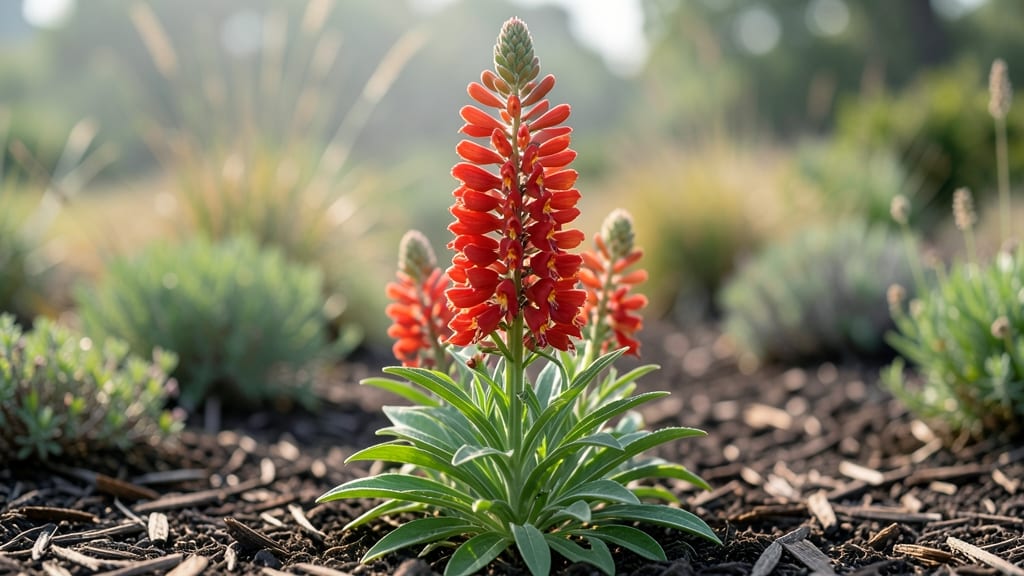
Your garden just got a bold new statement piece—the red hot cat tail plant (Pennisetum alopecuroides 'Red Cat') transforms any space with its fiery red plumes that dance in the breeze. 🌿 I planted mine last spring, and now it’s the star of my privacy screen, thriving in full sun with almost no fuss once established.
The secret? It’s not just a plant—it’s a year-round workhorse that handles heat, cold, and even drought like a champ.
This grass loves full sun to partial shade and well-draining soil, but don’t stress if your yard isn’t perfect—it’s tough enough to handle average conditions. Plant it in clusters for maximum impact, and watch those vibrant red plumes (up to 3 feet tall!) create drama from summer through winter.
Watering is easy: keep soil moist for the first few weeks, then let it dry out between waterings once established.
Pruning is a breeze—just snip back the old growth in early spring before new shoots appear. The result? Fresh, lush foliage that stays compact and full all season. It’s also deer-resistant, which is a win if you’re dealing with hungry critters.
Plus, the texture contrasts beautifully with hostas, ferns, or even evergreens, making it a designer’s dream.
For best results, plant in spring or early fall when temperatures are mild. If you’re using it as a privacy screen, space plants 2-3 feet apart for a dense, natural-looking barrier.
Once it’s settled in, you’ll barely need to touch it—just enjoy the striking color and movement it brings to your garden all year.
📚 In This Guide
- What you need
- Instructions
- Tips and common mistakes
- Wrapping up and next steps
What you need
- ● Red Hot Cat Tail Plant: 1-3 plants (depending on desired coverage). Choose healthy, vibrant plants with lush foliage.
- ● Well-draining soil: 5-10 bags of high-quality potting mix or native soil amended with compost (aim for a 6.0-7.0 pH).
- ● Organic mulch: 2-3 cubic feet of shredded bark or wood chips to retain moisture and suppress weeds.
- ● Slow-release fertilizer: 1-2 bags of balanced (10-10-10) or plant-specific fertilizer for vibrant growth.
- ● Garden trowel or spade: For digging holes (6-12 inches deep, depending on root ball size).
- ● Gloves: A pair of sturdy gardening gloves to protect your hands.
- ● Watering can or hose: With a gentle spray nozzle for post-planting hydration.
- ● Measuring tape or ruler: To ensure proper spacing (3-5 feet apart for full privacy screens).
- ○ Pruning shears (optional): For shaping or trimming after planting.
- ● Sunlight: Full sun to partial shade (6+ hours of direct sun daily for optimal color).
- ● Climate: USDA Zones 7-11 (hardy to 0°F with winter protection in colder zones).
- ● Space: 3-5 feet between plants for mature growth (can reach 4-6 feet tall and wide!).
How to plant and maintain Red Hot Cat Tail for stunning privacy screens
This fiery shrub delivers bold color and dense growth—here's how to make it thrive in your landscape.
🌱 Step 1: Choose the Perfect Planting Location
Red Hot Cat Tail thrives in full sun to partial shade, with 6+ hours of direct sunlight daily for best foliage intensity. I always plant mine where they'll receive morning sun and afternoon shade if your climate runs hot—this prevents leaf scorch while maintaining vibrant color. Test your site by observing how sunlight moves across the area at different times of day.
Select a spot with well-draining soil—this plant hates soggy roots. If your soil is heavy clay, amend with 3-4 inches of compost mixed into the top 12 inches of soil. The roots spread aggressively, so space plants 4-6 feet apart for a dense privacy screen. Mark your layout with stakes before digging to ensure proper spacing.
🪴 Step 2: Prepare the Planting Hole and Install
Dig a hole twice as wide as the root ball but no deeper—planting too deep suffocates roots. Gently loosen the root ball if it's tightly bound, then place the plant in the center so the top of the root ball sits 1 inch above ground level. This prevents water from pooling around the stem.
Backfill with native soil mixed with 1 part compost to improve drainage. Water deeply to settle the soil and eliminate air pockets. I always tap the soil gently around the base with my foot to ensure good contact—this prevents future settling that could expose roots. Mulch with 2-3 inches of wood chips around the base, keeping it 3 inches away from the stem to prevent rot.
☀️ Step 3: Establish Watering Routine for First Season
Water newly planted Red Hot Cat Tail deeply 2-3 times per week until established, which takes about 6-8 weeks. You'll know it's time to reduce watering when the plant shows new growth and the soil feels dry 2 inches below the surface. Overwatering causes yellowing leaves and root rot—this plant is surprisingly drought-tolerant once established.
Always water at the base, avoiding the foliage to prevent fungal diseases. I use a soaker hose for 20-30 minutes per session to deliver moisture directly to the roots. After the first year, you can reduce watering to once every 1-2 weeks during dry spells, depending on rainfall. The plant's deep roots make it resilient once settled.
✂️ Step 4: Prune for Shape and Health
Prune in late winter or early spring before new growth begins. Remove any dead, damaged, or crossing branches first—this improves airflow and prevents disease. Then shape the plant by cutting back 1/3 of the oldest stems to encourage bushier growth. I always prune just above a leaf node or bud to stimulate new growth.
For a formal hedge look, trim throughout the growing season by 1/4 of the plant's height every 4-6 weeks. Use sharp bypass pruners for clean cuts, and always sterilize them with rubbing alcohol between cuts to prevent bacterial spread. Avoid heavy pruning in fall—it stimulates tender new growth that won't survive winter.
🌿 Step 5: Maintain Year-Round for Maximum Impact
Fertilize in early spring with a balanced 10-10-10 fertilizer applied at half strength. This gives the plant a gentle nutrient boost without encouraging excessive soft growth. I also add 1 inch of compost around the base annually in spring to maintain soil health and improve drainage.
Monitor for pests like spider mites or scale, which can appear on stressed plants. Treat infestations immediately with horticultural oil or insecticidal soap. The vibrant foliage of Red Hot Cat Tail makes it a standout in any landscape—just remember it's a bold plant that needs space to shine. With proper care, it'll deliver that dramatic privacy screen you're after for years to come.
Tips & tricks for perfect Red Hot Cat Tail planting
Here's what nobody tells you about getting your bold foliage screen off to the right start.
Location Insight: The 6+ hours of sunlight requirement is non-negotiable for that signature fiery color. I've seen plants in partial shade still produce decent growth, but the vibrant red hues fade dramatically. If you're in a hot climate, morning sun with afternoon shade is ideal—it prevents leaf scorch while maintaining the color intensity. Test your site by observing sunlight patterns for a full day before planting.
Planting Depth Secret: That 1-inch elevation above ground level isn't just about drainage—it's about preventing crown rot. When you plant too deep, the stem can't breathe and suffocates. I've made this mistake twice and lost plants to rot both times. After planting, use your finger to check the soil level—it should sit just below the top of the root ball, not buried.
Watering Wisdom: Those 20-30 minutes with a soaker hose might seem excessive, but it's crucial for establishing deep roots. Shallow watering encourages surface roots that dry out quickly. The key is to wet the soil to 12 inches deep—you can check this by inserting a screwdriver. If it goes in easily, you've got the right depth.
Pruning Precision: When you cut back 1/3 of the oldest stems in late winter, you're not just shaping—you're forcing the plant to produce new growth from the base. I always mark the stems with a ribbon before pruning to identify which ones to cut. This technique creates that lush, dense look you're after for your privacy screen. And remember, always cut just above a leaf node to stimulate new growth.
Pro Tips for Red Hot Cat Tail Plant
- Here's what nobody tells you about getting your bold foliage screen off to the right start.
- Location Insight: The 6+ hours of sunlight requirement is non-negotiable for that signature fiery color.
- Planting Depth Secret: That 1-inch elevation above ground level isn't just about drainage—it's about preventing crown rot.
Frequently asked questions
Got questions about the fiery Red Hot Cat Tail (Calamagrostis acutiflora 'Karl Foerster')? You’re not alone—this bold ornamental grass has plenty of admirers, but it’s not without its quirks! Here are answers to the most common queries, from planting to upkeep.
How fast does Red Hot Cat Tail grow, and when will I see results?
This grass is a fast grower—expect 12–18 inches per year under ideal conditions. In the first year, you’ll see steady growth, but the full dramatic, upright form (up to 5–6 feet tall) typically takes 2–3 years to fully establish. Patience pays off with its striking, feathery plumes!
Is Red Hot Cat Tail cold-hardy? Can it survive winter?
One of its biggest perks is USDA Zones 4–9 hardiness. It thrives in cold winters (down to -30°F) and even tolerates light snow. Just avoid heavy mulch near the base—this grass prefers good airflow to prevent rot. In warmer zones, it may brown in summer but bounces back in cooler weather.
Why is my Red Hot Cat Tail turning brown or dying back?
Brown tips or patchy dieback usually mean one of three things: overwatering (root rot risk!), poor drainage, or nutrient deficiency. Check soil moisture—it should be dry between waterings. Amend clay soil with compost, and fertilize lightly in spring with a balanced, slow-release formula. If the center dies, it’s often natural aging—trim it back in early spring!
Can I grow Red Hot Cat Tail in containers? What’s the best pot size?
Yes, but it’s not ideal for small pots—this grass needs depth and space. Opt for a container at least 18–24 inches deep and wide, with drainage holes. Use a well-draining potting mix (add perlite or sand) and expect to divide or prune aggressively every 2–3 years. Containers dry out faster, so water deeply but less frequently than in-ground plants.
What are some great alternatives if I want a similar look but lower maintenance?
If Red Hot Cat Tail feels too high-maintenance, try these low-fuss, architectural grasses:
- Miscanthus sinensis 'Zebrinus' – Striped leaves, Zone 5–9, drought-tolerant.
- Pennisetum 'Hameln' – Bunny tail texture, Zone 5–10, great for borders.
- Carex 'Ice Dance' – Soft, mounding (not tall), Zone 4–9, shade-friendly.
- Fountain Grass (Pennisetum alopecuroides) 'Little Bunny' – Compact, Zone 5–9, perfect for small spaces.
All offer year-round interest but with less aggressive growth.
Wrapping up and next steps
The Red Hot Cat Tail Plant isn’t just a striking addition to your garden—it’s a game-changer for year-round privacy and bold foliage drama! 🌿 With its fiery hues and easy-care nature, it’s perfect for adding a pop of color while keeping your outdoor space lush and secluded.
Whether you’re a seasoned gardener or just starting out, this plant delivers low-maintenance beauty that thrives in almost any setting.
Ready to transform your space? Start by gathering your supplies and planting your Red Hot Cat Tail today—your garden (and neighbors!) will thank you. Happy growing! 🌟