
Planting
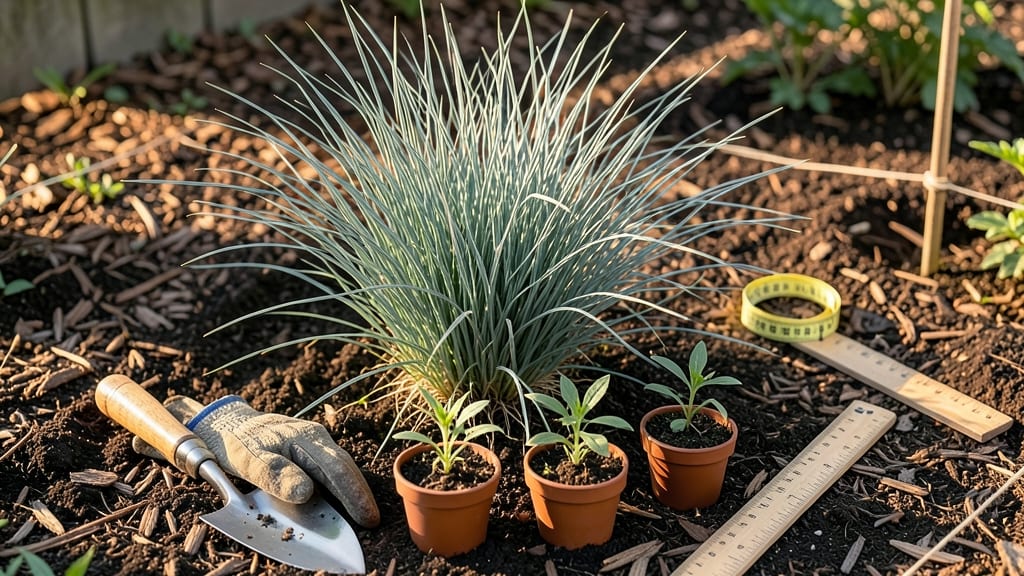
Planting Karl Foerster grass 18 to 24 inches apart is the secret to unlocking its dramatic, clumping beauty—without the crowding that invites disease or weak growth.
Picture this: a 3-foot-tall 🌿 fountain of blue-green blades swaying in the breeze, but instead of a scraggly mess, it’s a tight, upright clump that lasts for decades. That’s the magic of proper spacing—it’s not just about aesthetics, but airflow and long-term health too.
Too close, and your Karl Foerster grass will fight for nutrients, leading to yellowing or fungal issues. Too far, and you’ll lose that lush, continuous look in borders or mass plantings.
The 18-inch rule works for most gardens in Zone 6a, but we’ll break down how to adjust for containers, slopes, or when you’re mixing it with other perennials.
Below, you’ll find the exact spacing formulas for different layouts, plus how to fix overcrowded plantings before they become a problem. Ready to turn that spring planting into a year-round statement piece?

Optimal spacing for Karl Foerster grass: clumping vs. spreading habits explained
Karl Foerster grass (Festuca glauca 'Karl Foerster') thrives when planted with just the right spacing to balance its clumping growth habit and airflow needs. Unlike spreading grasses, this variety stays compact, but crowding it too closely leads to disease risks and weak foliage.
The ideal distance ensures each plant gets enough sunlight, water, and nutrients to reach its mature size of 3-4 feet tall and 2-3 feet wide.
Most gardeners aim for 18-24 inches apart when planting Karl Foerster grass, but this can vary based on your garden design goals and soil drainage. For a dense, turf-like look, space plants at the closer end (18 inches).
If you prefer a more open, naturalistic display, stretch them to 24 inches apart. Proper spacing also prevents the brown tips and fungal spots that plague overcrowded plantings.
Here’s why spacing matters so much for this grass: Poor airflow from tight spacing traps moisture, creating perfect conditions for powdery mildew and rust diseases. Meanwhile, over-spreading can happen if you plant too far apart, especially in rich soils where growth is vigorous.
The 18-24 inch range strikes the perfect balance for most USDA zones 5-9, where Karl Foerster grass excels.
Your soil type plays a huge role in determining the best spacing. In well-draining soils, Karl Foerster grass grows more aggressively, so you can safely plant at 18 inches apart.
However, if your garden has heavy clay or poor drainage, stretch the spacing to 24-36 inches to prevent root rot and fungal issues. Always amend clay soils with compost or sand before planting to improve conditions.
Another key factor is your garden’s sunlight exposure. Karl Foerster grass loves full sun (6+ hours daily), but in partial shade, growth slows, and spacing can be reduced to 12-18 inches.
Just be prepared for slightly less vigorous foliage. If you’re planting near tall shrubs or trees, opt for the wider spacing to give the grass room to mature without competition.
For container gardening, the rules change slightly. Since pots have limited space, plant 3-5 clumps per 18-inch container, spacing them 6-12 inches apart. This creates a full, lush look without the risk of overcrowding.
Just ensure your container has drainage holes and use a lightweight potting mix to prevent root suffocation.
When planting in rows or borders, maintain the 18-24 inch spacing but stagger plants every 6-12 inches to create a natural, flowing pattern. This technique, called staggered planting, reduces the visual gaps between rows and makes the grass look more intentional.
It’s especially effective when pairing Karl Foerster grass with low-growing perennials like heuchera or sedum.
One of the biggest mistakes I see is planting too far apart for a dramatic visual impact. While wider spacing works for some grasses, Karl Foerster’s narrow, upright blades create a textural contrast that shines when planted densely.
For a modern, structured look, stick to 18 inches apart in straight lines or geometric patterns. If you prefer a wild, natural garden, loosen the spacing to 24-36 inches and let the grass mingle with other plants.
Pro tip: After planting, mark your spacing layout with planting flags or string lines to ensure consistency. This is especially helpful if you’re working in a large garden bed or with a helper.
Over time, you’ll see how the grass fills in naturally, but maintaining that initial spacing prevents future thinning or overgrowth. With the right spacing, your Karl Foerster grass will reward you with decades of
Karl Foerster grass spacing mistakes that stunt growth (and how to fix them)
Even the hardiest ornamental grasses like Karl Foerster grass can suffer when planted too closely. Overcrowding creates a perfect storm of poor airflow, moisture retention, and nutrient competition, leading to weak stems and fungal diseases.
I’ve seen this mistake turn vibrant blue-green clumps into sad, yellowing messes within just one growing season.
Another common error? Planting them too far apart for the desired effect. While 24 inches might seem plenty, this spacing creates gaps that disrupt the dramatic visual impact Karl Foerster grass brings to borders and mass plantings.
The key is finding that sweet spot where your grass thrives without sacrificing density or aesthetics.
⚠️ Wrong Spacing = Weak Grass
Planting Karl Foerster grass 12 inches or closer causes overcrowding, while 30+ inches apart creates unsightly gaps. The ideal spacing is 18-24 inches for clumping varieties like this one. Too close = fungal issues; too far = wasted space.
Let’s start with the most obvious sign of overcrowding: yellowing foliage that refuses to green up, even with proper care. This happens because competing roots strangle each other for water and nutrients.
I’ve had gardeners blame poor soil or pests only to discover the real issue was their own planting mistakes. A quick fix? Thin your plants by removing the weakest clumps and replanting them elsewhere.
For existing plantings that are already too close, divide and conquer in early spring. Dig up the entire clump, gently separate the roots with your hands or a clean knife, and replant the healthiest sections. Space them 20-24 inches apart to give them room to breathe and grow.
This method works best when your grass is 3-4 years old—younger plants won’t have developed enough roots to handle the stress.
If your Karl Foerster grass is spreading too aggressively (a trait some varieties develop), the issue might be root competition from neighboring plants or excess nitrogen in the soil. Trim back overlapping foliage with sharp pruners in late winter, and avoid heavy fertilization.
Instead, focus on mulching with compost to feed the soil naturally without encouraging rapid, unchecked growth.
For container gardening, the rules change slightly. In pots, space plants 12-16 inches apart—closer than ground plantings because containers have limited root space. Choose shallow but wide containers to accommodate the spreading habit while preventing root bind.
Just remember: drainage is critical—Karl Foerster grass hates soggy roots, even in containers.
Finally, don’t forget that proper spacing improves disease resistance. Fungal issues like powdery mildew thrive in crowded, humid conditions. By giving your grass the right room to grow, you’re not just improving its looks—you’re boosting its health and reducing the need for fungicides.
That’s a win for your plants and your wallet!