
Planting
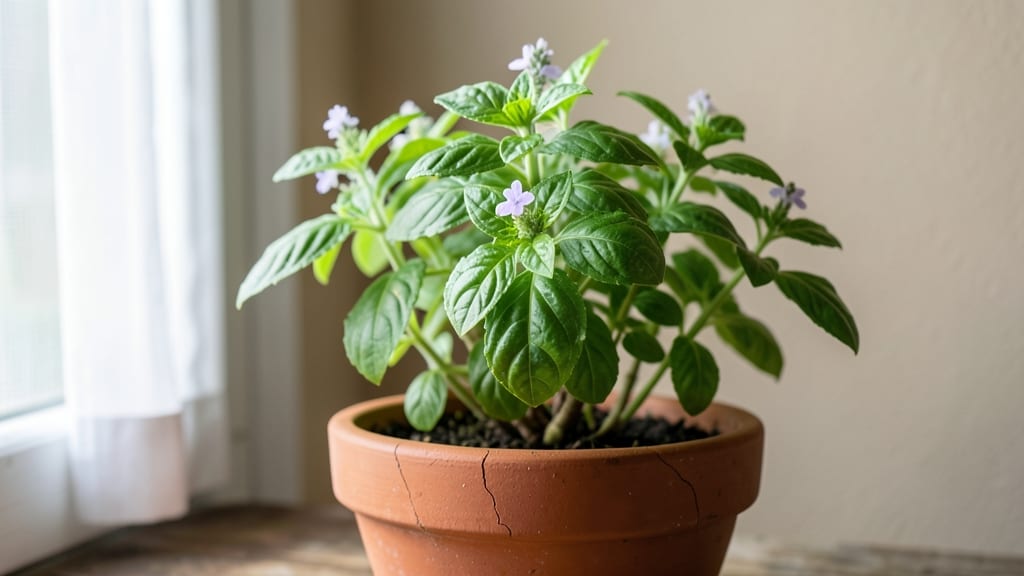
Growing the lemon basil herb plant isn't just about fresh leaves—it's about that zesty, citrusy aroma that transforms any dish. 🌿 I've learned the hard way that this herb demands sunlight, warmth, and just the right balance of moisture to thrive.
The secret lies in mimicking its Mediterranean roots while adapting to your climate, whether you're growing in pots or garden beds.
Start with well-draining potting mix and a spot that gets 6-8 hours of sunlight daily. Lemon basil hates soggy roots, so let the top inch of soil dry between waterings, and always use a pot with drainage holes.
Propagation is easy—either snip cuttings from a healthy plant and root them in water, or sow seeds indoors 8-10 weeks before your last frost.
You'll know you're doing it right when the leaves release that bright lemon scent at the slightest touch. Regular pruning keeps the plant bushy and encourages more growth.
Harvest leaves in the morning for maximum flavor, and avoid cutting more than a third of the plant at once to prevent stress.
Companion plants like tomatoes, peppers, and oregano love lemon basil, while its scent naturally repels pests like mosquitoes and flies. Just watch for spider mites in dry conditions—spraying the plant with water usually does the trick.
With these simple steps, you'll have a fragrant, productive lemon basil plant all season long.
📚 In This Guide
- What you need
- Instructions
- Tips and common mistakes
- Wrapping up and next steps
What you need
- ● Lemon basil seeds or seedlings: 1 packet (or 3-5 seedlings for a small harvest). Opt for organic seeds if possible!
- ● Well-draining potting soil: 1 bag (5-10 lbs). Mix in perlite or coconut coir (10-20%) for aeration.
- ● Containers: 1-2 pots (5-6 inches deep) with drainage holes, or
- ● A raised garden bed (12" deep) for multiple plants.
- ● Watering can or spray bottle: With a fine rose attachment for gentle hydration.
- ● Fertilizer: Balanced liquid fertilizer (10-10-10) or organic compost (e.g., worm castings).
- ● Pruning shears: Small, sharp scissors for harvesting and shaping.
- ● Sunlight access: A sunny spot (6+ hours of direct sunlight daily).
- ● Grow lights: LED full-spectrum lights (for indoor setups with <6 hours of sunlight).
- ● Mulch: Straw or shredded leaves to retain moisture.
- ● Support stakes: For taller plants (6+ inches).
- ● pH testing kit: To ensure soil pH is 6.0-7.0 (lemon basil thrives in slightly acidic to neutral soil).
- ● Pest control: Neem oil or insecticidal soap (preventative measure).
Step-by-step instructions for growing lemon basil indoors
Here's how I grow this fragrant, easy-care herb—no green thumb required.
🌱 Step 1: Choose the Right Container and Soil
Lemon basil thrives in containers at least 6 inches deep with drainage holes—terracotta pots work best because they breathe. I use a mix of 50% potting soil and 50% perlite to prevent root rot. Fill the pot halfway, then press down lightly to create a firm base for the roots.
This herb hates soggy soil, so the perlite ensures excess water drains quickly. Tap the pot gently on the table to settle the mix without compacting it too tightly. The soil should feel like a damp sponge—squeeze it to test. If water drips out, it's too wet; if it crumbles, add a little more moisture.
🌿 Step 2: Plant and Water Gently
Place your lemon basil plant in the center of the pot, ensuring the roots spread evenly. Fill around the base with the remaining soil mix, pressing lightly to eliminate air pockets. Water immediately after planting—this helps settle the soil and removes any air gaps around the roots.
Don’t drown the plant. Water until it drains from the bottom holes, then empty the saucer to prevent root suffocation. Lemon basil prefers consistent moisture but won’t tolerate standing water. After watering, check the soil surface—it should feel damp but not soggy. If it’s dry within a day, you’ve overwatered.
☀️ Step 3: Position for Maximum Sunlight
Lemon basil craves 6-8 hours of direct sunlight daily. A south-facing window is ideal, but if yours lacks intensity, supplement with a grow light kept 6 inches above the plant. Rotate the pot a quarter turn weekly to prevent leaning toward the light.
Watch for signs of light stress: yellowing leaves or stems stretching toward the window mean more light is needed. If leaves turn crispy or brown, it’s too hot or dry—move to a slightly shadier spot. The perfect spot gives you glossy, vibrant leaves with a strong lemon scent when brushed.
💧 Step 4: Maintain with Consistent Care
Water when the top inch of soil feels dry. Stick your finger in the soil—if it’s damp past your first knuckle, wait another day. Overwatering is the #1 killer of lemon basil, so err on the side of dryness. Fertilize monthly with a balanced liquid fertilizer during spring and summer to encourage lush growth.
Pinch off the top set of leaves when the plant reaches 6 inches tall to encourage bushier growth. This also prevents the plant from flowering too soon, which dulls its flavor. Harvest leaves regularly—this stimulates new growth and keeps the plant compact. Always snip just above a leaf node to promote branching.
✂️ Step 5: Prune and Harvest for Long-Term Health
Harvest leaves in the morning when essential oils are at their peak. Use clean scissors or fingers to pluck leaves from the top and sides, leaving at least half the plant intact. Avoid cutting into the woody stem—this weakens the plant and slows regrowth.
If your lemon basil flowers, snip them immediately. Flowering signals the end of the plant’s productive life, and the flavor becomes bitter. Prune leggy stems back to a healthy leaf node to rejuvenate growth. With proper care, your plant will stay productive for months, filling your kitchen with that bright lemon aroma.
Tips & tricks for perfect lemon basil herb plant care
Here's what I learned after growing lemon basil for years—these tricks make all the difference.
Soil Mix Secret: The 50% potting soil and 50% perlite ratio is non-negotiable for lemon basil. I've tried other mixes, and this combination prevents root rot while keeping the soil light enough for proper drainage. After planting, give the soil a gentle tap on the table to settle it—this creates a firm base that supports the roots without compacting too tightly. The "damp sponge" test is foolproof: if water drips out when you squeeze, you've overdone it.
Lighting Hack: For those 6-8 hours of direct sunlight, I place my plants on a rotating tray under my south-facing window. A quarter turn weekly keeps the plant growing straight rather than leaning toward the light. If your window isn't sunny enough, a simple LED grow light on a timer solves the problem—just keep it 6 inches above the plant. Watch for crispy edges or yellowing leaves as early warning signs of light issues.
Harvesting Technique: Always harvest in the morning when essential oils are strongest. Use clean scissors or your fingers to pluck leaves from the top and sides, leaving at least half the plant intact. I make a habit of snipping just above a leaf node—this encourages new growth from that point. The key is regular harvesting: this stimulates bushier growth and prevents the plant from flowering too soon, which dulls that bright lemon flavor.
Watering Wisdom: The top inch dry test is your best friend. Stick your finger in the soil—if it's damp past your first knuckle, wait another day. I've learned the hard way that lemon basil won't tolerate soggy soil. After watering, always empty the saucer to prevent root suffocation. And here's a pro move: if your soil dries out within a day, you're overwatering—not the plant is thirsty.
Pro Tips for Lemon Basil Herb Plant
- Here's what I learned after growing lemon basil for years—these tricks make all the difference.
- Soil Mix Secret: The 50% potting soil and 50% perlite ratio is non-negotiable for lemon basil.
- Lighting Hack: For those 6-8 hours of direct sunlight, I place my plants on a rotating tray under my south-facing window.
Frequently asked questions
Got questions about growing and using lemon basil? We’ve got answers!
Whether you're a first-time gardener or a seasoned green thumb, these common queries cover everything from planting to harvesting. Let’s dive in!
How often should I water my lemon basil plant?
Lemon basil thrives with consistent moisture—water it when the top inch of soil feels dry. Aim for 1–1.5 inches of water per week, adjusting for heat or container size. Overwatering can lead to root rot, so ensure pots have drainage holes. Pro tip: Use a spray bottle for leaves to mimic humidity!
How long does it take for lemon basil to grow from seeds?
Germination takes 7–14 days in warm (70–80°F), well-draining soil. Once sprouted, expect 4–6 weeks to reach harvestable size. For faster results, opt for transplants—they mature in just 3–4 weeks. Patience pays off with fragrant, lemony leaves!
Can I substitute lemon basil for regular basil in recipes?
Lemon basil’s bright citrus notes work beautifully in Thai, Vietnamese, and summer dishes like tom yum soup, pesto, or lemonade. However, its flavor is more intense—use half the amount of regular basil if substituting. Try it in fish dishes or desserts for a zesty twist!
Why are my lemon basil leaves turning yellow or curling?
Yellow leaves often signal overwatering or pests. Check for aphids or spider mites on undersides—spray with soapy water if needed. Curling can also mean too much sun (move to partial shade) or nutrient deficiency (fertilize lightly with balanced plant food). Pro tip: Rotate pots for even sunlight exposure!
Can lemon basil grow indoors without sunlight?
Lemon basil needs 6+ hours of sunlight daily, but a south-facing window or grow light works indoors. If leaves stretch (etiolation), supplement with a full-spectrum LED bulb 12–16 hours/day. Place near a kitchen window for easy access—just rotate the pot weekly for balanced growth!
Wrapping up and next steps
Growing lemon basil is a rewarding journey that brings vibrant flavor and fresh fragrance to your kitchen! 🌿 With just a few simple steps—sunlight, well-draining soil, and regular care—you’ll enjoy this fragrant duo thriving in no time.
Whether you’re a seasoned gardener or just starting, this herb is your ticket to homemade gourmet dishes and natural remedies.
Ready to elevate your garden? Start with a single plant and watch it flourish—your taste buds (and guests) will thank you! Now grab those pruning shears and get growing! 🌱