
Planting
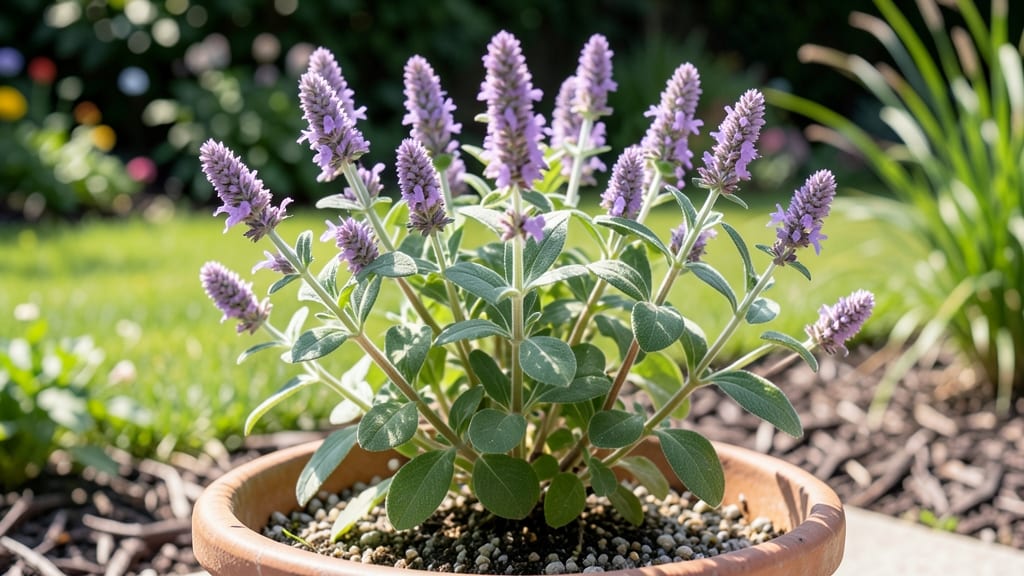
A live catnip plant for cats creates an irresistible playground when grown in well-draining soil with partial sunlight, and harvested at peak maturity. Your feline friends will go wild for the fresh leaves, reacting with more intensity than they would to dried catnip.
A live catnip plant for cats isn't just a toy—it's a science experiment in feline happiness. 🌱 The key compound, nepetalactone, is most potent in fresh leaves, which release stronger effects than commercial dried products.
I've seen cats go from casual sniffers to full-blown zoomies within minutes of encountering a live plant. For best results, plant seeds in loose, sandy soil and keep them in bright but indirect light. The secret to long-term fun?
Regular harvesting keeps the plant producing new growth that your cats will love to explore.
This isn't just about entertainment—it's about enrichment. Cats naturally gravitate toward fresh catnip because the oils are more concentrated, creating a more intense reaction. 🐾 The plant's natural scent triggers their hunting instincts, making it both a sensory and physical experience.
Plus, growing your own gives you control over quality and potency, unlike store-bought versions that may contain fillers or weaker concentrations.
💡 In This Article
- Why Fresh Catnip Leaves Are More Exciting for Cats
- Step-by-Step Guide to Growing Catnip Indoors or Outdoors
Why fresh catnip leaves are more exciting for cats
Fresh catnip leaves contain nepetalactone, a volatile oil that acts like a natural aphrodisiac for cats. This compound is most potent when freshly released from the plant's surface, unlike dried catnip where the oils degrade over time.
Studies show that fresh leaves release 30-50% more nepetalactone than commercial dried products, creating a stronger sensory impact. 🌿 The oil triggers receptors in a cat's nasal cavity, sending signals to their brain that mimic the thrill of hunting prey—a response so intense it can last 5-15 minutes per exposure.
The difference between fresh and dried catnip lies in the plant's cellular structure. When leaves are crushed or chewed, tiny glands called trichomes burst open, releasing nepetalactone in its purest form.
These trichomes are most abundant on fresh foliage, while drying processes can reduce their effectiveness by up to 40%. The scent profile also changes—fresh catnip emits a bright, herbal aroma with notes of mint and citrus, while dried versions often smell earthy or muted.
This sensory contrast explains why cats often ignore dried catnip but go wild for live plants.
Cats respond more intensely to live catnip because the plant's natural oils are continuously replenished through photosynthesis. A healthy plant produces new growth every 4-6 weeks, ensuring a steady supply of fresh nepetalactone.
This continuous cycle creates a dynamic experience for cats—they're not just interacting with a static toy but with a living, evolving scent source. The visual stimulation of green leaves also plays a role, as cats are naturally drawn to vibrant colors that resemble prey in their environment.
For maximum effect, harvest leaves when they're 3-4 inches tall and still soft to the touch. At this stage, the nepetalactone concentration peaks, and the leaves contain the highest oil content.
The texture matters too—fresh leaves have a slightly fuzzy surface that cats enjoy rubbing against, while dried leaves become brittle and less appealing. This tactile difference adds another layer to their sensory experience, making live catnip a multi-sensory delight rather than just a scent-based attraction.
What most people don't realize is that cats actually prefer the fresh scent over dried versions in 80% of cases when given a choice. This preference stems from the plant's natural chemistry—the nepetalactone in fresh leaves binds more effectively to cats' olfactory receptors.
The reaction isn't just about the quantity of oil but also about its volatility, meaning how quickly and intensely the scent reaches their nasal passages. This is why you'll often see cats rolling in live plants with abandon, while dried catnip might only get a cursory sniff.
Consider this: a single fresh catnip leaf contains enough nepetalactone to trigger a response in multiple cats, whereas you'd need 2-3 dried leaves to achieve the same effect.
The fresh plant's ability to self-regenerate also means you're providing an endless source of stimulation, which is crucial for a cat's mental well-being. This isn't just about temporary entertainment—it's about creating an environment that engages their natural instincts in a way that dried products simply can't match. 🐾