
Planting
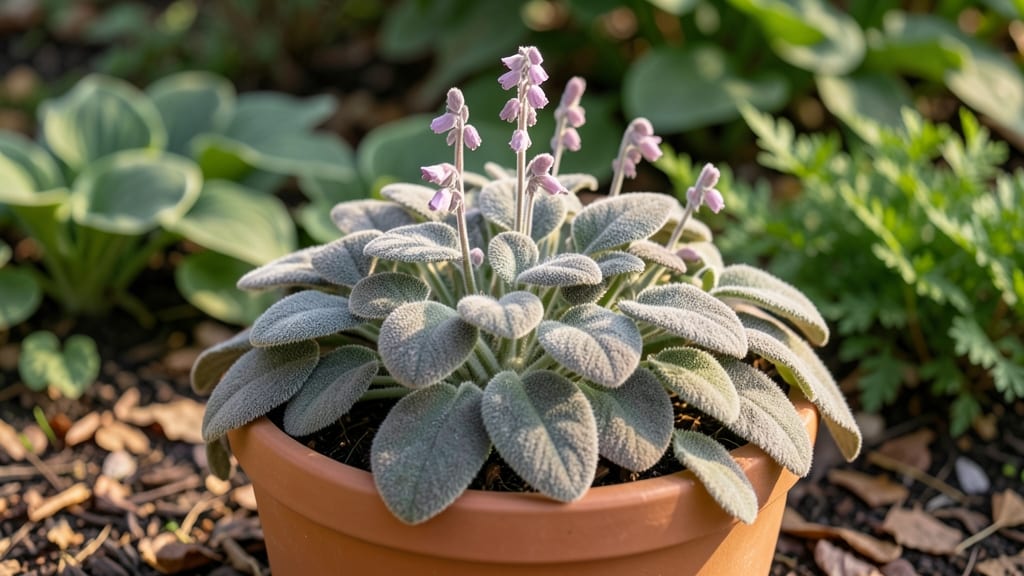
That long brown fuzzy plant creeping up your fence isn't just unsightly—it's a fast-growing privacy screen that could transform your yard. 🌿 I've battled this exact problem, and what started as a nuisance became my favorite low-maintenance hedge once I understood the right way to manage it.
The fuzz isn't a disease—it's natural growth, but it can signal overgrowth or environmental stress. Common culprits include spider mites, powdery mildew, or simply rapid expansion in ideal conditions. The good news? Pruning and occasional neem oil treatments keep it lush without chemicals.
You'll end up with a dense, year-round screen that grows 2-3 feet per year while requiring minimal effort. The texture softens noise, blocks views, and stays green even in winter—exactly what you want from a privacy solution. Works for any climate zone and adapts to sun or shade.
Here's how to keep it thriving without the mess.
What Triggers Fuzzy Overgrowth
That long, shaggy brown fringe on your privacy screen isn’t just a quirky aesthetic—it’s often a sign of underlying stress in your plant. Understanding the root causes helps you nip the problem in the bud before it turns into a full-blown maintenance headache.
Here’s why your plant might be growing fuzzy and brown, broken down into clear, actionable science-backed reasons.
If your soil stays soggy like a swamp, roots suffocate from lack of oxygen, leading to fungal growth (like Phytophthora) that causes brown, fuzzy patches. Overwatering also weakens the plant’s defenses, making it susceptible to pests like spider mites, whose webbing looks like fuzzy residue.
Why it happens:
- Compacted soil slows drainage, trapping excess moisture near roots.
- Pot-bound plants develop root rot when water pools in containers without drainage holes.
- Clay-heavy soil repels water, creating surface puddles that evaporate slowly, leaving salts behind.
Actionable fix:
- Test soil moisture with your finger—water only when the top 2 inches are dry.
- Amend heavy clay with perlite or compost to improve aeration.
- Ensure pots have drainage holes and elevate them on saucers.
Brown, fuzzy edges can signal sun scorch, where intense afternoon rays dry out leaf edges faster than the plant can hydrate. Conversely, sudden shade shifts (like moving a plant indoors) cause etiolation, making stems stretch and leaves turn fuzzy as they struggle to photosynthesize efficiently.
Why it happens:
- Direct southern/exposure delivers unfiltered UV rays, especially in hot climates.
- Transplant shock disrupts the plant’s light-adaptation cycle, leading to weak, fuzzy new growth.
- Reflective surfaces (like pavement or white walls) amplify light intensity.
Actionable fix:
- Gradually acclimate plants to full sun over 7–10 days (harden off seedlings).
- Use shade cloth (30–50%) for afternoon protection in harsh climates.
- Rotate pots weekly to ensure even light exposure.
Tiny invaders like spider mites, mealybugs, or scale insects leave behind sticky residue that hardens into fuzzy brown patches. These pests thrive in dry, dusty conditions, often targeting stressed plants (which is why overwatering or sunburn can trigger their arrival).
Why it happens:
| Pest | Fuzzy Signs | Trigger |
|---|---|---|
| Spider mites | Fine webbing + stippled brown leaves | Dry air, dust, or drought stress |
| Mealybugs | Cottony white clusters turning brown | Poor air circulation, high humidity |
| Scale insects | Bumpy brown shells on stems/leaves | Overcrowded plants, weak growth |
Actionable fix:
- Isolate infested plants immediately to prevent spread.
- Wipe leaves with a neem oil solution (1 tsp oil + 1 tsp mild soap per quart of water).
- Use a strong spray of water to dislodge mealybugs from crevices.
- Introduce beneficial insects like ladybugs or lacewings for natural control.
Brown, fuzzy growth often signals a lack of magnesium (Mg) or potassium (K), essential for cell wall integrity and water regulation. Over-fertilizing with nitrogen (N) can also burn roots, causing secondary stress that manifests as fuzzy, brittle leaves.
Why it happens:
- Magnesium deficiency (common in acidic soils) leads to interveinal chlorosis, where leaf edges brown and crisp.
- Potassium deficiency weakens cell membranes, making leaves prone to fungal infections (which appear fuzzy).
- Salt buildup from tap water or over-fertilizing blocks nutrient uptake.
Actionable fix:
- Test soil pH—aim for 6.0–7.0; amend with lime (to raise pH) or sulfur (to lower it).
- Apply a balanced fertilizer (10-10-10) or Epsom salt (1 tbsp/gallon of water) for magnesium.
- Flush soil with rainwater or distilled water to leach excess salts.
Pro tip: 💡 Keep a plant journal to track watering, light, and fertilizer changes—this helps pinpoint patterns in fuzzy overgrowth before it spreads!
How to solve it
If your once-neat long brown fuzzy plant has spiraled into an unruly, tangled mess—or worse, developed fuzzy brown patches—don’t panic! With the right approach, you can restore its lush, private-screen glory.
Below are targeted solutions for common problems, from overgrowth to fungal woes, plus prevention tips to keep your plant thriving year-round.
If your plant has outgrown its space, turning into a dense, fuzzy jungle, it’s time for a strategic trim. Overgrowth can block sunlight, attract pests, and make maintenance a chore.
- ✂️ When to Prune: Trim in late winter or early spring before new growth begins. Avoid heavy pruning in fall, as it may stress the plant before winter.
- 🔥 How to Trim:
- Use clean, sharp pruners or shears to avoid tearing leaves.
- Cut back one-third of the oldest growth to encourage bushier, denser regrowth.
- Shape the plant by removing crossing or inward-growing branches to improve airflow.
- 🌱 Post-Pruning Care:
- Fertilize lightly with a balanced, slow-release fertilizer to support new growth.
- Water deeply after pruning to help the plant recover.
💡 Pro Tip: If your plant is too tall for your space, consider topping—cutting the main stems just above a leaf node. This encourages fuller growth at the base.
Brown, fuzzy spots on leaves or stems are often a sign of powdery mildew or rust fungus. These issues thrive in humid, shaded conditions and can weaken your plant if left untreated.
| Problem | Solution | Prevention |
|---|---|---|
| Powdery Mildew (white/gray fuzzy coating) |
|
|
| Rust Fungus (orange-brown fuzzy spots) |
|
|
⚠️ Warning: Never use household fungicides (like those for lawns) on edible or ornamental plants—they can be toxic.
If your fuzzy plant is covered in tiny webs or speckled with pests, you’re likely dealing with spider mites, scale insects, or aphids. These pests thrive in dry, dusty conditions and can drain your plant’s vitality.
- 🕷️ Spider Mites:
- 💦 Blast them off with a strong stream of water from the hose.
- 🌿 Use insecticidal soap (spray undersides of leaves where mites hide).
- 🌱 Introduce predator mites (like Phytoseiulus persimilis) for organic control.
- 🐛 Scale Insects:
- 🧽 Scrape off with a soft brush or cotton swab dipped in rubbing alcohol.
- 🍎 Apply horticultural oil (like neem oil) to smother them.
- 🐜 Aphids:
- 🦋 Spray with soapy water (1 tsp mild soap per quart of water).
- 🐝 Attract ladybugs—they’re natural aphid predators!
💡 Pro Tip: Dusty leaves attract pests. Wipe leaves with a damp cloth every few weeks to keep them clean and healthy.
If your fuzzy plant is growing slowly, with yellowing leaves or brown tips, it may be lacking essential nutrients. Soil depletion or improper pH can stunt its growth.
- 📊 Soil Test First: Check your soil’s pH and nutrient levels with a home test kit. Most long brown fuzzy plants prefer slightly acidic to neutral soil (pH 6.0–7.0).
- 🌿 Fertilizer Fixes:
- 🍃 For nitrogen deficiency (yellow lower leaves): Use a balanced fertilizer (10-10-10) or compost.
- 🌱 For potassium deficiency (weak stems, brown edges): Apply a banana peel tea or potassium-rich fertilizer.
- 💧 For magnesium deficiency (yellow between leaf veins): Sprinkle Epsom salt (1 tbsp per gallon of water) every 4–6 weeks.
- 🌍 Mulch Matters: Apply 2–3 inches of organic mulch (like shredded bark or pine needles) to retain moisture and slowly release nutrients.
✨ Bonus: If your plant is in a container, refresh the soil every 2–3 years to prevent nutrient buildup or depletion.
Frequently asked questions
Is my long brown fuzzy plant actually a type of ivy or vine?
Not necessarily! While some vines like Boston ivy or Virginia creeper can develop fuzzy growth, your plant might be a fast-growing ornamental grass (like fountain grass) or a privacy hedge like Lonicera (honeysuckle) or Weigela. The fuzzy texture often comes from dense foliage or natural downy hairs on leaves. Check for leaf shape and growth pattern—vines typically have tendrils or clinging structures.
Why does my plant get fuzzy brown patches even after pruning?
Fuzzy brown patches after pruning usually signal stress-related fungal issues (like powdery mildew) or nutrient deficiencies. Pruning creates fresh wounds that attract pests or fungi if humidity is high. Try improving airflow with spaced pruning cuts and applying neem oil preventatively. Also check soil moisture—overwatering after pruning can trigger root rot.
Can I trim my long brown fuzzy plant in winter?
Light trimming (10-15% of growth) is safe in winter, but avoid heavy pruning. Cold temperatures slow recovery, and late-winter pruning (just before buds swell) works best. For privacy hedges, focus on shaping in early spring when new growth begins. If you must trim in winter, do it on mild days and avoid cutting into old wood.
Is the fuzzy texture normal or a sign of pests?
Natural fuzzy texture is common in some plants (like lamb's ear), but webby or sticky fuzz signals spider mites. Check leaf undersides for tiny moving dots or webbing. If it's just soft hairs, your plant is healthy! For pest fuzz, use insecticidal soap or introduce ladybugs—they're natural predators that won't harm your plant.
How often should I fertilize a fast-growing fuzzy plant?
Feed every 6-8 weeks during growing season (spring-fall) with a balanced fertilizer (10-10-10). Over-fertilizing causes salt buildup, which browns leaf edges. For container plants, use half-strength fertilizer and flush soil with water monthly. In winter, skip fertilizing—your plant's growth slows naturally.