
Planting
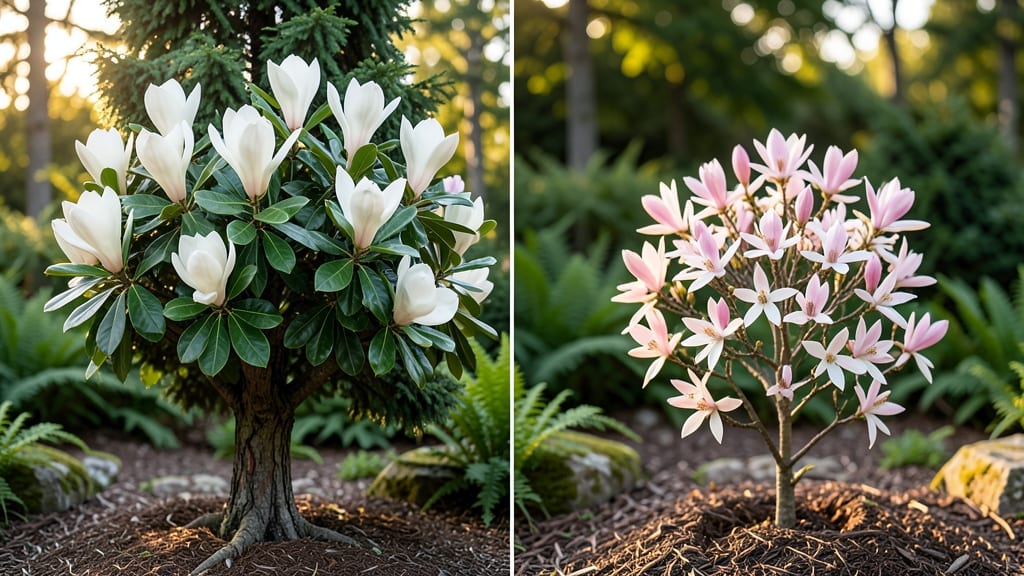
The magnolia flower plant brings a touch of old-world elegance to any yard, with its bold blooms and intoxicating fragrance. 🌸 I’ll never forget the first time I walked past a magnolia in full bloom—it stopped me in my tracks with its creamy-pink petals and heady scent that lingered in the air.
These trees thrive with minimal fuss once you understand their needs: well-draining soil, morning sun and afternoon shade, and consistent moisture. They grow slowly but reward patience with showstopping blooms that last for weeks. The key is avoiding soggy roots and protecting young plants from harsh winter winds.
By late spring, you’ll be the neighbor with the most coveted garden feature—magnolias that draw hummingbirds and fill the air with perfume. Just be ready for their frost sensitivity in early spring; a late frost can nip those delicate buds before they open.
Perfect for both small yards and large landscapes, magnolias adapt beautifully to containers too. Let’s get yours planted for a garden that feels like a storybook.
📚 In This Guide
- What you need
- Instructions
- Tips and common mistakes
- Wrapping up and next steps
What you need
- ● Magnolia plant: Choose between a bare-root sapling (spring planting) or a container-grown specimen (year-round). Popular varieties include Magnolia grandiflora (southern magnolia) or Magnolia stellata (star magnolia).
- ● Planting site: Full sun to partial shade (4–6 hours of sunlight daily).
- ● Well-draining soil (amend heavy clay with compost or sand if needed).
- ● Space: 10–20 feet apart (depending on mature size).
- ● Tools: Shovel or trowel (for digging).
- ● Garden gloves (to protect your hands).
- ● Pruners (sterilized, for trimming).
- ● Watering can or hose (with a gentle spray nozzle).
- ● Fertilizer: Slow-release balanced fertilizer (10-10-10 or 8-3-9 ratio) or organic compost (e.g., cow manure or worm castings).
- ● Mulch: 2–4 inches of organic mulch (pine straw, wood chips, or shredded bark) to retain moisture and suppress weeds.
- ● Soil amendments: Sulfur (to lower pH for acid-loving magnolias) or lime (if soil is too acidic).
- ● Support stake: For young or top-heavy varieties (e.g., Magnolia campbellii).
- ● Drip irrigation system: Automates watering for consistent moisture.
- ● Plant food: Magnolia-specific fertilizer (e.g., with micronutrients like iron or manganese).
- ● Pest control: Neem oil or insecticidal soap (for aphids or scale).
Step-by-step guide to planting and caring for magnolia trees
Here’s my foolproof approach to growing these stunning, fragrant trees that’ll anchor your landscape for decades.
🌱 Step 1: Select the Right Location and Planting Time
Magnolias thrive in full sun to partial shade—at least 6 hours of direct sunlight daily—but younger trees benefit from afternoon shade in hot climates. I always plant in early spring or fall when temperatures are mild (50-70°F), avoiding extreme heat or frost. The soil should be well-draining but moist, so test by squeezing a handful—it should crumble slightly but not fall apart.
Dig a hole twice as wide as the root ball but no deeper. Loosen the roots gently if they’re circling, then place the tree so the top of the root ball sits 1-2 inches above ground level. This prevents waterlogging and encourages strong root growth. Backfill with native soil, tamping lightly to remove air pockets.
☀️ Step 2: Water Deeply and Mulch for Retention
Water the newly planted magnolia deeply right after planting—about 10 gallons for each inch of trunk diameter—until the soil is 6 inches deep and evenly moist. Overwatering now will suffocate roots, but underwatering stresses the tree. After the first week, water once weekly (or more in extreme heat) until the tree establishes itself, which takes 1-2 years. You’ll know it’s settled when new growth appears in spring.
Spread 2-3 inches of organic mulch (like pine bark or shredded leaves) around the base, keeping it 6 inches away from the trunk. Mulch locks in moisture and regulates soil temperature. Refresh it annually—never let it pile up against the trunk, as this invites rot.
✂️ Step 3: Prune Strategically for Health and Bloom
Prune magnolias only after flowering in late spring or early summer. Remove dead, diseased, or crossing branches first—these compete for energy and weaken the tree. Use clean, sharp pruners to make cuts just outside the branch collar (the swollen area where the branch meets the trunk). Never leave stubs; they invite pests and infections.
For shaping, limit pruning to no more than 25% of the canopy in a single year. Magnolias bloom on old wood, so avoid heavy cuts that remove next year’s flowers. If you notice leggy growth, focus on thinning interior branches to improve airflow—this prevents fungal issues like powdery mildew.
🌿 Step 4: Fertilize and Monitor for Pests/Diseases
Feed young magnolias with a balanced, slow-release fertilizer (10-10-10) in early spring, spreading it evenly over the root zone. Mature trees rarely need feeding unless growth slows. Over-fertilizing burns roots and attracts pests. Water the soil well after applying fertilizer to help nutrients penetrate.
Watch for scale insects, spider mites, or magnolia leaf gall—common issues that appear as sticky residue, yellowing leaves, or bumpy growths. Treat early with neem oil or horticultural oil, following label instructions. I spray in early morning or evening to avoid harming beneficial insects. If fungal spots appear, prune affected leaves and apply copper fungicide as a preventive measure.
⏰ Step 5: Winter Care for Cold-Hardy Varieties
Most magnolias are hardy to USDA Zones 4-9, but young trees need protection in colder climates. Wrap the trunk with tree wrap or burlap in late fall to prevent sunscald and rodent damage. Mulch heavily (4-6 inches) around the base, extending it out to the drip line (the edge of the tree’s canopy). This insulates roots from freezing temperatures.
Water sparingly in winter—only if the ground is frozen solid for more than a week. Overwatering in cold weather can suffocate roots. In spring, remove winter wraps and mulch to allow the tree to warm up gradually. You’ll see new buds forming by mid-March, signaling the tree’s readiness to bloom.
Tips & tricks for perfect magnolia flower plant care
Took me years to master these details—here's what nobody tells you about growing showstopping magnolias that'll make your garden the envy of the neighborhood.
Soil Test First: Before planting, test your soil's pH—magnolias prefer slightly acidic soil between 5.0 and 6.5. If your soil is too alkaline (common in many regions), amend with sulfur or peat moss before planting. I've seen magnolias struggle in alkaline soil even when all other conditions were perfect. The roots simply can't access the nutrients they need. Test kits are cheap and available at garden centers.
Root Ball Prep: When you receive your magnolia, soak the root ball in water for 1-2 hours before planting. This prevents transplant shock by ensuring the roots start hydrated. Gently tease apart any circling roots with your fingers—this encourages outward root growth rather than girdling. I always do this step while the root ball is still in its container, making the planting process smoother.
Watering Rhythm: The 10-gallon-per-inch-of-trunk rule is perfect for initial watering, but after that first week, adjust based on rainfall. Stick your finger 2 inches into the soil—if it's dry, water; if moist, wait. Overwatering is the #1 killer of young magnolias. In summer heat, I water every 3-4 days rather than sticking to the weekly schedule, especially if there's no rain.
Pruning Timing: That after-flowering window is crucial for two reasons: First, you preserve next year's blooms since magnolias flower on old wood. Second, you avoid attracting pests to fresh cuts. I always prune on a dry, overcast day to reduce stress on the tree. Sterilize your pruners with rubbing alcohol between cuts to prevent spreading diseases between branches.
Pro Tips for Magnolia Flower Plant
- Took me years to master these details—here's what nobody tells you about growing showstopping magnolias that'll make ...
- Soil Test First: Before planting, test your soil's pH—magnolias prefer slightly acidic soil between 5.0 and 6.5. If y...
- Root Ball Prep: When you receive your magnolia, soak the root ball in water for 1-2 hours before planting. This preve...
Frequently asked questions
Got questions about nurturing your magnolia flower plant? You’re not alone! Here are some of the most common queries—plus straightforward answers to keep your fragrant blooms thriving.
How often should I water my magnolia tree?
Water deeply once a week during the first year, ensuring the soil stays moist but not soggy. Once established, magnolias are drought-tolerant—water every 2–3 weeks unless your region experiences extreme heat or dry spells. Pro tip: Mulch around the base to retain moisture!
When is the best time to plant a magnolia?
Plant in early spring (after the last frost) or fall (6–8 weeks before the first frost). This gives roots time to establish before harsh weather. Avoid transplanting during summer heat or winter freezes—stress weakens young plants.
Can I grow a magnolia in a pot?
Yes! Dwarf varieties (like Magnolia stellata) thrive in containers with well-draining soil and a pot at least 18 inches wide. Use a glazed container to prevent root rot and move indoors if temperatures drop below 20°F (-7°C).
Why aren’t my magnolia leaves turning green?
Yellowing or pale leaves often signal nutrient deficiency (try a balanced fertilizer in spring) or overwatering. Check for pests like scale insects (sticky residue on leaves) or spider mites (tiny webs). Prune affected branches and treat with neem oil if needed.
Do magnolias attract pollinators?
Their fragrant blooms draw bees, butterflies, and hummingbirds—especially early-spring varieties. Plant near pollinator-friendly perennials (like lavender or coneflowers) to create a biodiversity hotspot.
Can I prune a magnolia after it blooms?
Timing matters! Prune late winter or early spring (before buds swell) to avoid cutting off next year’s flowers. If you must prune after blooming, wait until mid-summer and remove only dead or crossing branches. Never prune in fall—it stresses the tree.
Wrapping up and next steps
The magnolia flower plant brings timeless beauty, fragrance, and elegance to any garden or landscape—whether you’re a seasoned gardener or just starting out. With the right care, these stunning blooms will reward you with years of vibrant color and serene charm. 🌸
Ready to add a touch of nature’s grandeur to your space? Start by choosing your favorite variety, gathering the essentials, and following the steps confidently. Your fragrant magnolia paradise is just a planting session away!