
Planting
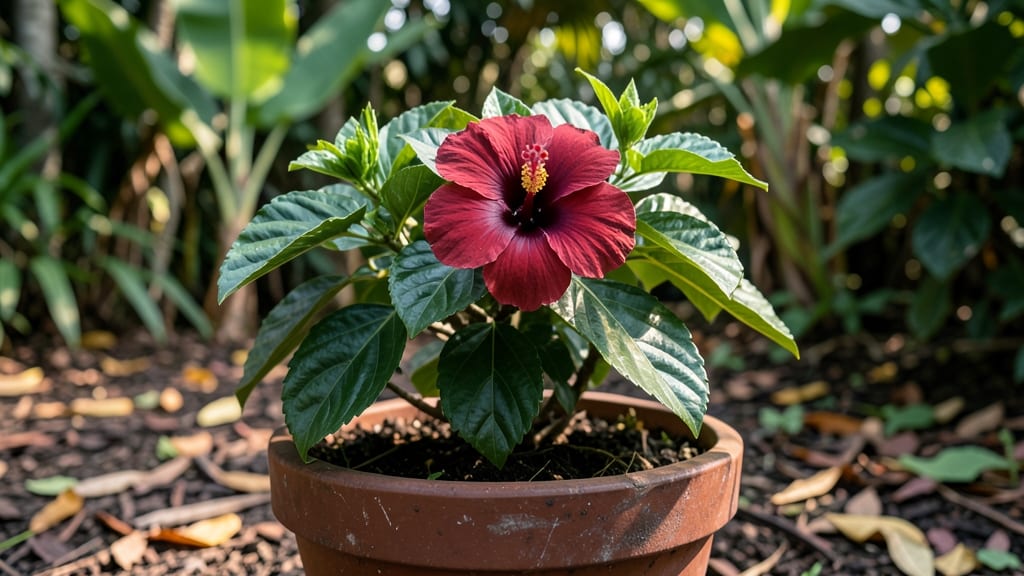
The Mahogany Splendor hibiscus thrives best in USDA Zones 9-11, where its love for frost-free conditions and full sun exposure (6+ hours daily) yields the most vibrant blooms. While it can tolerate brief dips to 25°F, gardeners in marginal zones like 8b should use mulch or container mobility to protect it through winter. For peak performance, plant in well-draining soil with a pH of 6.0-7.0.
The Mahogany Splendor hibiscus isn't just picky about its climate—it practically demands warmth to show off its deep mahogany-red blooms. 🌿 In Zones 9-11, it grows with minimal fuss, but even a light frost can damage its tender leaves.
That's why gardeners in cooler areas often treat it like a seasonal guest, moving pots indoors or wrapping plants in burlap during winter.
The key to success lies in mimicking its native tropical conditions: rich, slightly acidic soil and protection from harsh winds, which can stress the plant even in ideal temperatures.
What many growers overlook is how humidity levels impact this variety. While it adapts to average conditions, higher humidity (like coastal climates) actually enhances its blooming frequency. In drier regions, a simple trick—like placing a tray of water nearby—can make a noticeable difference.
And here's a pro tip: if you're planting in Zone 8b, choose a south-facing location where the plant gets maximum sun exposure during winter months, as even partial shade can reduce flowering.
💡 In This Article
- Optimal Climate Conditions for Mahogany Splendor Hibiscus
- Step-by-Step Planting Guide for Different Hardiness Zones
Optimal climate conditions for Mahogany Splendor hibiscus
The Mahogany Splendor hibiscus originates from tropical regions where temperatures rarely drop below 50°F, making it particularly sensitive to cold snaps. Its thick, waxy leaves help retain moisture but aren't designed to withstand freezing conditions—even a light frost (32°F) can cause leaf burn and stunted growth.
In Zones 9-11, where winter temperatures typically stay above 40°F, this variety thrives because it avoids the metabolic stress that occurs when cells freeze and thaw. The plant's natural growth cycle also syncs with these warm climates, triggering continuous blooming during its active season.
What makes Zones 9-11 perfect isn't just the lack of frost but also the consistent warmth. This hibiscus prefers daytime temperatures between 75-90°F and nighttime lows above 60°F—any cooler, and its energy shifts from flowering to survival mode.
In coastal areas (like Zone 10), the moderating ocean breezes create ideal conditions, while inland regions may need extra care to prevent heat stress during summer peaks. Interestingly, this variety has minimal chilling requirements (0-100 hours below 45°F annually), unlike some temperate hibiscus that need winter dormancy to bloom.
Humidity plays a surprisingly large role in its performance. In its native habitat, this hibiscus experiences 60-80% relative humidity, which prevents the rapid moisture loss that causes bud drop.
In drier climates (like Zone 11 desert areas), you'll need to increase humidity around the plant—whether through misting, mulching, or grouping it with other thirsty plants.
The deep mahogany blooms actually develop more vibrantly in these conditions, as higher humidity helps maintain turgor pressure in the petals, making them appear fuller and more lustrous.
For gardeners in marginal zones (like 8b), microclimates become your best friend. A south-facing wall can add 5-10°F of warmth during winter, while containers allow you to move plants to sheltered spots when cold fronts arrive.
Urban heat islands—areas where pavement and buildings trap heat—can create pockets where this hibiscus thrives even in Zone 8a, provided you monitor soil temperature closely. The key is understanding that while this plant loves heat, it's the consistency of that heat that matters most for its health and flowering.
One often-overlooked factor is wind exposure. Strong winds (> 10 mph) can desiccate the large, delicate blooms and damage new growth. In open areas, consider planting near natural windbreaks like shrubs or fences.
The hibiscus's native tropical environment typically has gentle breezes, so recreating this calm setting helps prevent stress-related issues like leaf curl or flower drop. In container growing, elevated positions (like on patios) actually improve air circulation while keeping roots warm from reflected heat.
When it comes to light requirements, this hibiscus isn't just about quantity—it's about quality. While it needs 6+ hours of direct sun, the intensity matters too.
In Zone 11, afternoon shade becomes crucial during peak summer months to prevent leaf scorch, while in Zone 9, morning sun with afternoon shade works best.
The plant's deep green foliage actually contains a natural sunscreen compound (flavonoids) that helps protect it from UV damage, but extreme exposure can still overwhelm this defense mechanism.