
Planting
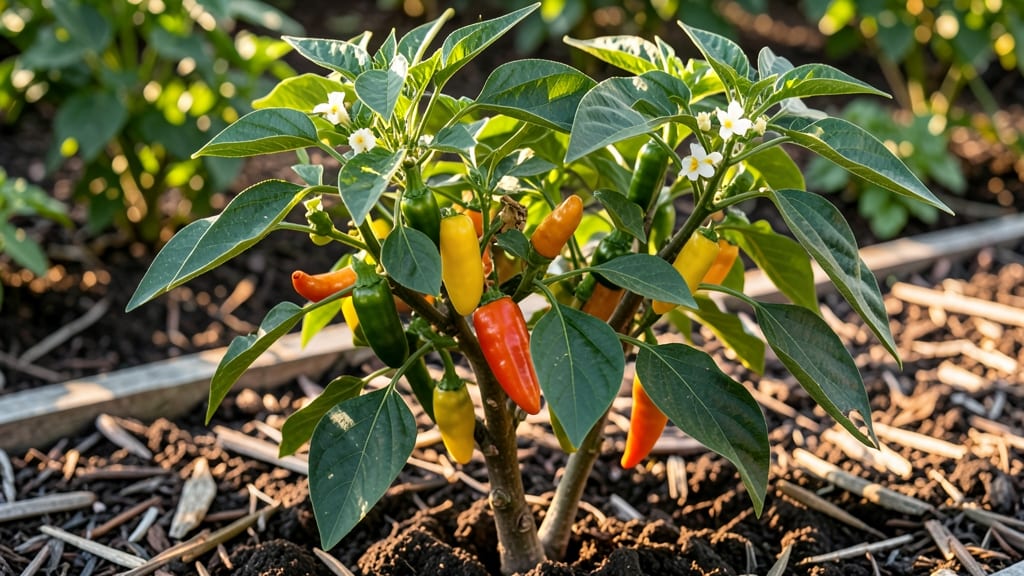
A mature habanero plant 🌶️ can turn your garden into a fiery paradise—but only if you know its secrets.
Picture this: a 3-foot-tall bush bursting with bright orange peppers, each one packing enough heat to clear a room. But here’s the catch—skip the right care, and you’ll end up with bitter, underripe fruit or a plant that gives up mid-season.
That’s why year-round harvesting isn’t about luck; it’s about mastering the light, water, and soil tricks that keep this tropical plant thriving.
From pruning for bushier growth to spotting pests before they ruin your harvest, this guide covers the exact steps to turn your habanero into a pepper-producing powerhouse. No guesswork, just proven techniques for Zone 6 gardeners and beyond.
Ready to unlock the spiciest secrets? By the end, you’ll know when to feed, how to harvest at peak heat, and why your neighbors will be begging for your peppers.
Mature habanero plant growth requirements: light, temperature, and soil secrets
Once your habanero plant reaches maturity, it demands precise environmental conditions to reward you with bold, fiery peppers all season long. Unlike young seedlings, mature plants need consistent sunlight, warm temperatures, and fertile soil to prevent stress and maximize fruiting.
Get these three factors wrong, and you’ll see fewer peppers—or worse, a plant that struggles to survive. Let’s break down exactly what your mature habanero needs to thrive.
Habaneros are tropical plants at heart, meaning they crave warmth and full sun to produce their signature heat. In cooler climates, you’ll need to extend the growing season with row covers or grow them in containers you can move indoors.
The key is replicating their native conditions—high heat, bright light, and well-draining soil—to keep them happy and productive. Without these, your plant will focus on survival rather than pepper production.
🌱 Summary-Table: Mature Habanero Care Essentials
| Requirement | Specification | Notes |
|---|---|---|
| Sunlight | 6+ hours direct sun daily | Partial shade reduces yield; use grow lights in low-light areas |
| Temperature | 70–90°F (21–32°C) | Below 60°F (15°C) stunts growth; above 95°F (35°C) causes stress |
| Soil pH | 6.0–7.0 | Amend with compost for fertility; avoid heavy clay |
| Soil Type | Well-draining, loamy | Add perlite or sand to prevent root rot |
| Watering | 1–2 inches per week | Water at soil level; avoid wetting leaves to prevent disease |
Your mature habanero’s sunlight needs are non-negotiable. These plants thrive in full sun (6+ hours daily), but even partial shade can reduce pepper production. If you’re growing indoors, place your plant near a south-facing window or supplement with grow lights for 12–14 hours daily.
Without enough light, your plant will grow leggy and produce fewer peppers. Think of sunlight as the fuel that turns your habanero’s energy into fiery fruit.
Temperature is another critical factor—habaneros love heat. Ideal ranges are 70–90°F (21–32°C), but they’ll tolerate brief dips to 60°F (15°C) if acclimated. Below 55°F (13°C), growth slows dramatically, and peppers may fail to set.
In cooler climates, use row covers or move potted plants indoors during cold snaps. Heatwaves above 95°F (35°C) can also stress the plant, so provide afternoon shade if temperatures soar.
When it comes to soil composition, habaneros demand well-draining, fertile soil with a pH of 6.0–7.0. Heavy clay or compacted soil will suffocate roots and lead to root rot. Amend your garden bed with compost or aged manure to improve fertility and drainage.
If your soil is sandy, mix in organic matter like coconut coir or peat moss to retain moisture. A quick soil test will tell you if you need to adjust pH—lime raises pH, while sulfur lowers it.
One common mistake gardeners make is overwatering mature habaneros. While they need consistent moisture, waterlogged soil can drown roots and invite fungal diseases. Instead, aim for 1–2 inches of water per week, delivered at the soil level (not the leaves).
Mulch around the base to retain moisture and regulate soil temperature. In containers, water every 2–3 days since potting mix dries out faster than in-ground soil.
To maximize pepper production, ensure your mature habanero has enough nutrients. Feed with a balanced fertilizer (10-10-10) every 4–6 weeks during the growing season. Look for signs of deficiency—yellow leaves mean nitrogen is low, while purple stems signal phosphorus needs.
A light feeding of compost tea can also boost microbial activity in the soil, helping roots absorb nutrients more efficiently.
If your habanero is struggling, check for environmental stress signs. Drooping leaves often mean underwatering or heat stress, while yellowing leaves could indicate overwatering or nutrient deficiency. Adjust your care routine immediately—habaneros are resilient but won’t tolerate neglect.
With the right conditions, a mature plant can produce hundreds of peppers per season, so pay attention to these details for a bountiful harvest.
For container growers, choose pots at least 12 inches wide with drainage holes to prevent root rot. Habaneros in pots dry out faster, so monitor soil moisture closely. If you’re in Zone 6 or cooler, overwinter your plant indoors near a sunny window or under grow lights.
With the right care, your mature habanero can keep producing spicy peppers year-round, even in less-than-ideal climates.
Remember, the goal is to mimic the tropical conditions where habaneros thrive naturally. By mastering light, temperature, and soil, you
Year-round harvesting techniques: pruning, fertilizing, and pest control for continuous peppers
To keep your mature habanero plant producing fiery peppers nonstop, you need a strategic approach to pruning, nutrient management, and pest prevention. Unlike annuals, these tropical plants thrive with consistent care that mimics their natural growing conditions.
The key is balancing growth and fruiting while preventing stress that could halt production.
Start with pruning techniques that encourage bushier growth without overloading the plant. Habaneros naturally grow in clusters, but improper pruning can reduce yield. Focus on removing suction shoots (small shoots growing from the base) and yellowing leaves to redirect energy to fruit production.
This keeps your plant productive year-round while maintaining its compact size.
⚠️ Critical Mistake: Over-Pruning Habaneros
Never remove more than 30% of foliage at once from your mature habanero plant. This tropical species relies on leaves for photosynthesis to fuel fruit production. Over-pruning shocks the plant, causing flower drop and reduced pepper set. Instead, prune incrementally every 4-6 weeks during active growth phases.
For year-round fertilization, use a balanced 10-10-10 NPK formula every 4-6 weeks during growing seasons. In cooler months (fall/winter), reduce to half-strength applications every 8 weeks to prevent overgrowth.
Organic options like compost tea or fish emulsion provide micronutrients without burning roots. Remember: habaneros hate excess nitrogen—it promotes leafy growth at the expense of peppers.
Pest control requires vigilance, especially with aphids, spider mites, and fruit borers. Start with neem oil sprays (1 tsp per quart of water) applied weekly during outbreaks.
For organic prevention, introduce beneficial nematodes to soil and ladybugs to control soft-bodied pests. Always inspect undersides of leaves and pepper stems for early signs of infestation.
Harvesting strategy matters too. Pick peppers when they reach 70-80% of full color to encourage continuous flowering. Use clean, sharp scissors to avoid damaging stems. Store harvested peppers in paper bags at room temperature for 1-2 weeks to maintain heat levels.
This harvest-and-replace method keeps your plant focused on producing new fruit.
With these techniques, your mature habanero plant will reward you with continuous harvests—even in cooler months if grown in containers you can move indoors. The secret lies in consistent care, strategic pruning, and proactive pest management.
Start implementing these steps now to enjoy year-round spice from your garden! 🌱🌶️