
Planting
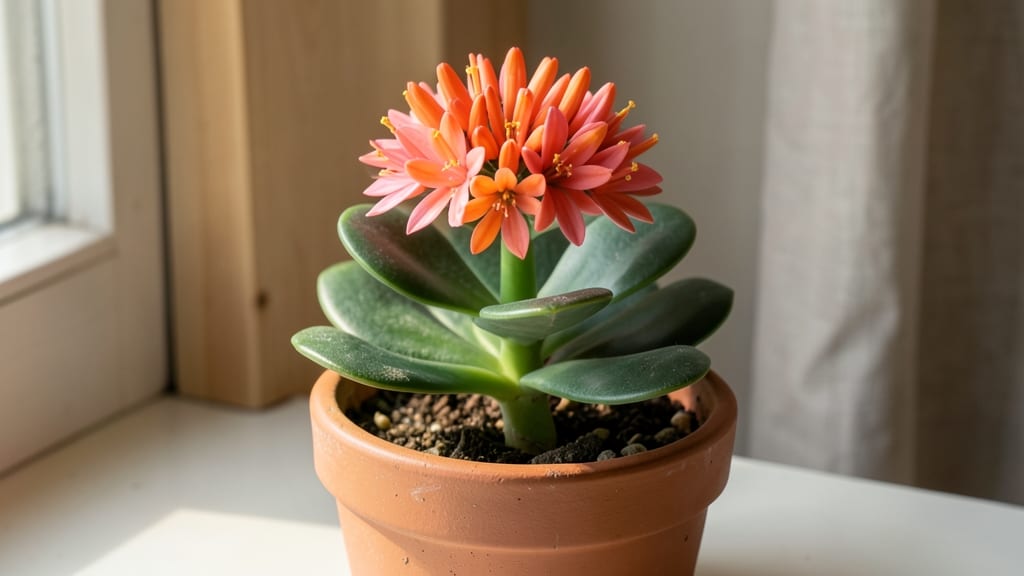
Growing the Mexican flame plant (Dalea gregii) is like adding a burst of fiery color to your garden with almost no effort. 🌿 This drought-tolerant beauty thrives in hot climates and brings bold, orange-red foliage that lasts all year—perfect for low-maintenance landscapes or containers.
The secret lies in mimicking its natural desert habitat with bright light, well-draining soil, and infrequent watering.
You’ll need just a few key elements: a sunny spot (at least 6 hours of direct light daily), sandy or gravelly soil, and a pot with drainage if growing in containers. Unlike fussy plants, this one rewards neglect—overwatering is its only true enemy.
Once established, it handles heat waves and dry spells like a pro, making it ideal for busy gardeners or those in arid regions.
With minimal pruning (just snipping back leggy growth in spring), your Mexican flame plant will stay compact and vibrant. Its striking foliage pairs beautifully with succulents or cacti, creating a desert-inspired look that’s both bold and easy to maintain.
The best part? It rarely suffers from pests or diseases, so you won’t waste time battling garden problems.
Whether you’re filling a border, brightening a patio, or adding texture to a rock garden, this plant delivers year-round drama with almost no upkeep. Start with a healthy cutting or seed, and let nature do the rest—your garden will thank you for the effortless color boost.
📚 In This Guide
- What you need
- Instructions
- Tips and common mistakes
- Wrapping up and next steps
What you need
- ● Mexican flame plant: 1–3 mature plants (for repotting) or
- ● 1 packet of seeds (50–100 seeds, organic preferred) or
- ● 3–5 healthy stem cuttings (4–6 inches long, with at least 2–3 leaves)
- ● Well-draining potting mix: 1–2 bags (1–2 cubic feet each) of cactus/succulent mix (or regular potting soil amended with 50% perlite or coarse sand)
- ● Containers: 1–2 pots (6–12 inches in diameter) with drainage holes or
- ● 1 shallow tray (for seed germination)
- ● Drainage layer: Small pebbles, gravel, or broken pottery (1–2 inches deep)
- ● Basic gardening tools: 1 pair of clean pruning shears or scissors (for cuttings)
- ● 1 small trowel or spoon (for transplanting)
- ● 1 spray bottle (for misting seeds/cuttings)
- ○ Optional (but helpful): Rooting hormone (to boost cutting success)
- ● Slow-release fertilizer (balanced 10-10-10 or succulent-specific)
- ● Grow lights (if indoors with low light)
- ● Plant labels (to track varieties)
- ● 🌡️ Temperature: Mexican flame plants thrive in 65–75°F (18–24°C)—keep them away from drafts or freezing temps.
- ● ✨ Lighting: They love bright, indirect light (6+ hours/day). South-facing windows or grow lights work best.
- ● 💧 Watering: Let soil dry completely between waterings—overwatering is the #1 killer!
How to grow and maintain a thriving Mexican flame plant
This fiery beauty needs just a few key conditions to burst into vibrant foliage that lasts all year.
🪴 Step 1: Select the Right Container and Soil Mix
Choose a 6-8 inch diameter pot with drainage holes—Mexican flame plants despise soggy roots. I opt for terracotta containers because their porous nature helps regulate moisture levels perfectly. Fill the pot with a well-draining cactus/succulent mix blended with 20% perlite for extra aeration. This prevents compaction and mimics their natural rocky soil environment.
The soil should feel light and gritty when squeezed—if it holds together like clay, add more perlite. I always pre-moisten the mix before planting to eliminate air pockets that could stress new roots. A 1-2 inch layer of small gravel at the bottom of the pot further improves drainage and prevents root rot.
☀️ Step 2: Position for Bright, Indirect Light
Mexican flame plants crave bright, indirect light—think east or west-facing windows where they receive morning sun and afternoon shade. A south window works too, but place it 3-4 feet back from the glass to prevent leaf scorch. You'll notice the leaves develop their signature reddish-orange hues when they get adequate light.
If your space lacks natural light, supplement with a grow light positioned 12-18 inches above the plant for 12-14 hours daily. Avoid direct sun exposure, which causes bleached or crispy leaf edges—a sure sign of sunburn. Rotate the pot quarter-turn weekly to encourage even growth and prevent lopsided foliage.
💧 Step 3: Master the Watering Routine
Water only when the top 2-3 inches of soil feel completely dry—this plant stores moisture in its thick leaves, so overwatering is the fastest way to kill it. I use the "finger test" method: stick your index finger into the soil. If it feels dry past your first knuckle, it's time to water. During summer, this might mean every 7-10 days; in winter, stretch it to every 3-4 weeks.
When watering, soak the soil thoroughly until water drains freely from the bottom. Empty the saucer immediately to prevent root suffocation. Yellowing leaves signal overwatering, while wrinkled, puckered foliage means it's thirsty. Adjust your schedule based on these visual cues—your plant will tell you exactly what it needs.
✂️ Step 4: Prune and Fertilize for Lush Growth
Prune in early spring to encourage bushier growth. Use sterilized pruning shears to trim back leggy stems by one-third, cutting just above a leaf node. This stimulates branching and keeps the plant compact. Remove any yellow or damaged leaves immediately—they drain energy and attract pests. Propagate the cuttings in water or fresh soil mix to expand your collection.
Feed with a balanced liquid fertilizer (10-10-10) once every 4-6 weeks during spring and summer. Dilute to half-strength to avoid burning roots. Skip fertilizing in fall and winter when growth naturally slows. The key is moderation—Mexican flame plants prefer lean conditions over rich soil, which can cause weak, floppy growth.
🌿 Step 5: Protect From Pests and Temperature Swings
Keep an eye out for mealybugs or spider mites, which love the plant's sap. Wipe leaves with a neem oil solution (1 tsp oil + 1 quart water) weekly as a preventive measure. I also mist the foliage occasionally to boost humidity and deter pests—just avoid getting water on the soil. If you spot sticky residue on leaves, act fast: isolate the plant and treat with insecticidal soap immediately.
Mexican flame plants thrive in 65-80°F temperatures and avoid drafts—especially cold windows or AC vents. Below 55°F, growth stalls, and leaves may drop. In winter, move the plant away from glass doors where cold air collects. If your home runs dry, place the pot on a pebble tray with water to add moisture to the air without overwatering the soil.
Tips & tricks for perfect Mexican flame plant care
These simple yet transformative insights will help you coax vibrant, fiery foliage from your Mexican flame plant—no green thumb required.
Container Choice Matters: While terracotta pots are ideal, avoid glazed ceramic containers—they trap moisture and promote root rot. For larger plants, choose a pot that's only 2-3 inches wider than the current root ball to prevent soil compaction. I've found that adding a 1-inch layer of expanded clay pebbles (instead of gravel) at the bottom improves drainage even further while adding visual appeal. This small adjustment prevents the dreaded "soggy roots" that kill these plants faster than anything else.
Light Positioning Secrets: The 3-4 feet back rule from glass windows is non-negotiable, but here's what I've learned: if your plant starts developing pale, washed-out leaves, it's not getting enough light. Move it closer to the window—just not directly in the sun. For grow lights, I recommend LED bulbs with a 6500K color temperature to mimic natural sunlight. Position them 12-14 inches above the plant for those critical 12-14 hours daily—any closer and you risk burning the delicate foliage.
Watering Wisdom: The finger test is foolproof, but here's the real trick: water early in the day so excess moisture evaporates before nightfall. I've noticed that plants watered in the evening often develop fungal issues from prolonged dampness. Also, if your plant's leaves start curling upward during the day but flatten out at night, it's a classic sign of underwatering. This plant's thick leaves can store surprising amounts of moisture—don't be afraid to let the soil dry out completely between waterings, especially in winter.
Pruning Payoff: When trimming back those leggy stems by one-third in early spring, look for the healthiest, most vibrant growth to propagate. I've had the best success rooting cuttings in a 50/50 mix of perlite and cactus soil—this combination keeps them moist enough to root without suffocating the delicate new growth. The key is patience: new roots typically form in 4-6 weeks, so don't be tempted to check too often. Keep the cuttings in bright, indirect light and maintain 65-70°F temperatures for optimal results.
Pro Tips for Mexican Flame Plant
- These simple yet transformative insights will help you coax vibrant, fiery foliage from your Mexican flame plant—no green thumb required.
- Container Choice Matters: While terracotta pots are ideal, avoid glazed ceramic containers—they trap moisture and promote root rot.
- Light Positioning Secrets: The 3-4 feet back rule from glass windows is non-negotiable, but here's what I've learned: if your plant starts developing pale, washed-out leaves, it's not getting enough light.
Frequently asked questions
Got questions about growing and caring for your Mexican Flame Plant (Kalanchoe blossfeldiana)? You’re in the right place! Here are answers to the most common queries to keep your fiery foliage thriving.
How often should I water my Mexican Flame Plant?
Water your Mexican Flame Plant only when the top 1-2 inches of soil are completely dry. Overwatering is the #1 killer—these succulents store water in their leaves, so less is more! Aim for every 2-3 weeks in warm months and even less in winter.
Pro Tip: Stick your finger in the soil to check moisture—if it’s damp, wait a few more days!
Can Mexican Flame Plants survive winter outdoors?
These plants are tender perennials and cannot tolerate frost. If you live in a cold climate, bring them indoors before temperatures drop below 50°F (10°C). A sunny windowsill or under grow lights works perfectly. If left outside, they’ll crisp and die—so don’t take the risk!
Why are the leaves turning yellow or dropping?
Yellowing or dropping leaves usually mean overwatering or root rot. Let the soil dry out completely between waterings, and ensure the pot has drainage holes. If the roots smell foul or look mushy, trim the bad ones and repot in fresh, dry soil. Underwatering can also cause leaf drop—find the balance!
Will my Mexican Flame Plant bloom indoors?
Yes! To encourage blooms, give your plant 12-14 hours of darkness daily for 6 weeks (like a "winter" trick). Use a dark box or move it to a closet at night. Bright, indirect light and cool temps (60-65°F) also help. Bonus: Deadhead spent flowers to prompt more blooms!
Are there non-toxic alternatives to Mexican Flame Plants?
If you have pets or kids, opt for non-toxic succulents like Haworthia or Sedum. For bold colors, try Calathea or Peperomia—they’re safer but may need slightly more humidity. Always research before bringing plants home!
How do I propagate my Mexican Flame Plant?
Propagation is easy! Snip a healthy stem below a leaf node, let it callus for a day, then place it in well-draining soil or water. Roots should form in 2-4 weeks. Alternatively, take leaf cuttings—lay them on soil and mist lightly until they root. Perfect for sharing with plant-loving friends!
Wrapping up and next steps
The Mexican flame plant is a stunning, low-maintenance addition to any indoor or outdoor space, offering vibrant foliage with minimal fuss.
Whether you're a seasoned plant parent or just starting your green journey, this hardy beauty thrives with simple care—bright light, occasional watering, and a little pruning to keep it lush. 🌿
Now that you’re equipped with the right tools, tips, and answers, why not take the next step?
Try propagating your plant to share its fiery charm with friends or experiment with creative styling in your home. Your Mexican flame plant is ready—your green thumb just needs to say yes! 🌟