
Planting
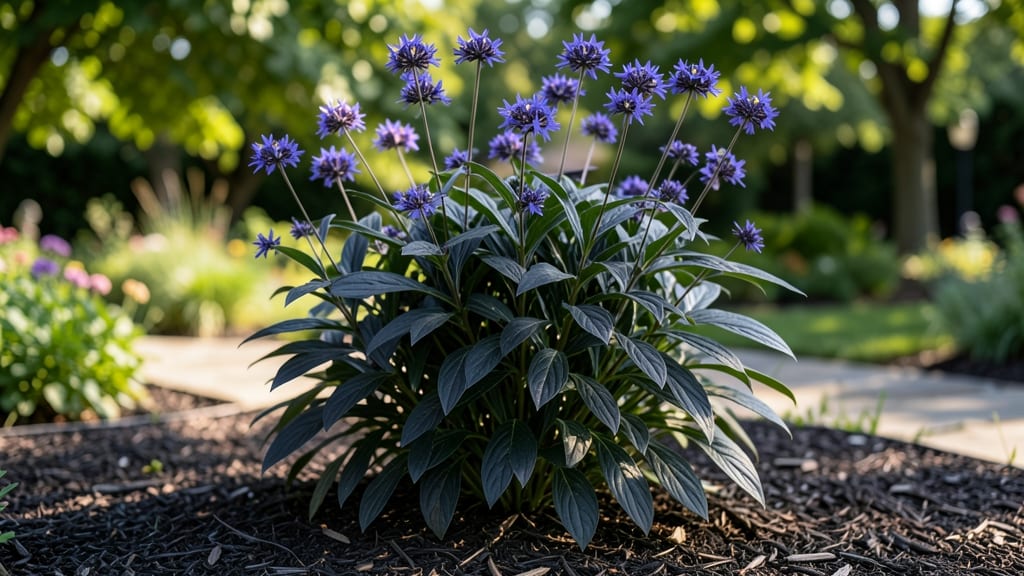
The care of your midnight blue heart plant could be the showstopper of your indoor jungle—if you nail its light, water, and humidity trio. 🌿 I’ve wrestled with these velvety-leaved divas for years, and the difference between thriving drama and sad droop comes down to these three factors.
This plant isn’t just pretty; it’s a statement piece that rewards patience with deep purple-black foliage that looks like it belongs in a high-end hotel lobby.
Start with bright, indirect light—think east-facing windows or a few feet from a south window. Direct sun will scorch those stunning leaves, while dim corners make them lose their bold color.
Water when the top inch of soil feels dry, but never let it sit in soggy soil—root rot is this plant’s kryptonite. A peaty, well-draining mix keeps it happy, and a humidity tray or occasional misting mimics its tropical roots.
You’ll know you’re doing it right when new leaves unfurl with sharp, glossy edges and that signature midnight-blue heart pattern. Fertilize lightly every 6-8 weeks in spring and summer, and watch it bounce back from winter dormancy with fresh growth.
The payoff? A plant that looks expensive but costs pennies—and turns heads every time someone walks into the room.
Here’s the secret weapon: patience. These plants take their time, but once established, they’re nearly indestructible. Just avoid drafts, keep temps above 60°F, and resist the urge to overwater. With these basics, your Midnight Blue Heart will be the star of your space for years.
📚 In This Guide
- What you need
- Instructions
- Tips and common mistakes
- Wrapping up and next steps
What you need
- ● Midnight Blue Heart plant: 1 healthy cutting or mature plant (6+ inches tall for best results).
- ● Well-draining potting mix: 1 bag (1-2 gallons) of cactus or succulent mix blended with orchid bark or perlite (30% perlite for aeration).
- ● Pot: 1 container with drainage holes (6-8 inches in diameter; terracotta or ceramic preferred).
- ● Watering can or spray bottle: With a fine mist nozzle for gentle hydration.
- ● Pruning shears: Small, sharp pair for trimming leggy stems.
- ● Houseplant fertilizer: Balanced liquid fertilizer (10-10-10 or 20-20-20, diluted to half-strength).
- ○ Grow lights (optional but helpful): LED full-spectrum bulb (10-12 watts) for low-light setups.
- ● Peat moss or coco coir: For amending heavy soil (mix 1 part peat to 2 parts potting soil).
- ● Plant saucer: To catch excess water and prevent root rot.
- ● Humidity tray: A shallow tray with pebbles and water to boost moisture in dry air.
- ● Plant labels: Waterproof markers to track care notes or propagation dates.
- ● Support stakes or trellis: For training trailing stems (if you want a cascading look!).
Step-by-step Midnight Blue Heart plant care
Here’s how to keep your Midnight Blue Heart’s striking foliage vibrant all year—no guesswork, just proven techniques.
🌿 Step 1: Master the Light Requirements
Place your Midnight Blue Heart in bright, indirect light—think east or north-facing windows where sunlight filters gently. Direct sun burns those deep purple leaves, while too little light dulls the color. You’ll know it’s happy when the foliage stays rich and glossy, not yellowing or stretching toward the light.
If your home lacks natural light, supplement with a grow light kept 12-18 inches away for 12-14 hours daily. LED grow lights work best—avoid fluorescent tubes, which can’t replicate the spectrum this plant craves. Rotate the pot weekly so growth stays even, not lopsided.
💧 Step 2: Water Wisely for Lush Growth
Water when the top inch of soil feels dry—stick your finger in to check. Overwatering is the #1 killer; soggy roots cause root rot and yellow leaves. Use room-temperature water to avoid shocking the plant, and empty the saucer after 10 minutes to prevent soggy soil.
This tropical beauty thrives in 60-75°F and higher humidity. Mist the leaves weekly or place the pot on a tray of pebbles filled with water to boost moisture. Watch for crispy leaf edges—that’s your sign the air is too dry. A humidifier nearby helps too.
☀️ Step 3: Feed and Prune for Year-Round Drama
Feed every 4-6 weeks in spring and summer with a balanced liquid fertilizer (10-10-10 or 20-20-20). Dilute to half-strength to avoid burning the roots. Skip fertilizer in fall and winter unless you see new growth—this plant rests then. You’ll notice faster growth and deeper purple hues when it’s well-fed.
Prune leggy stems in early spring to encourage bushier growth. Cut back 1-2 inches above a leaf node, and pinch off any yellow or damaged leaves immediately. This keeps the plant compact and encourages fresh, vibrant foliage. Deadhead spent flowers too—they drain energy from the leaves.
⏰ Step 4: Watch for Pests and Adjust Seasonally
Inspect leaves weekly for spider mites or mealybugs—common pests that love this plant. Wipe leaves with a damp cloth if you spot webbing or cottony spots. For bad infestations, use neem oil spray (follow package instructions). Act fast—pests spread quickly and weaken the plant.
In winter, reduce watering slightly—growth slows, so the soil stays moist longer. If leaves yellow, it’s often overwatering or cold drafts. Move the plant away from vents or doors, and ensure it stays above 55°F at night. With these adjustments, your Midnight Blue Heart will stay bold and beautiful through every season.
Tips & tricks for perfect Midnight Blue Heart plant care
Keeping your Midnight Blue Heart vibrant takes just a few simple adjustments—here’s how to avoid the most common pitfalls and get showstopping results.
Lighting Strategy: The 12-14 hours of grow light exposure is non-negotiable, but placement matters just as much. Position your grow light so it illuminates the plant from above—not from the side—which ensures even light distribution across all leaves. I’ve seen plants develop lopsided growth when the light angle is wrong, so take 30 seconds to adjust if you notice one side looking paler than the other.
Watering Wisdom: That 10-minute saucer drain time might seem short, but it’s crucial. After emptying excess water, gently tip the pot to let any lingering moisture in the saucer evaporate—this prevents hidden root rot. I learned this the hard way after losing a plant to soggy soil that looked dry on top but was drowning below.
Fertilizer Timing: The 4-6 week feeding schedule works best when you fertilize right after watering. This prevents fertilizer burn from concentrated salts in dry soil. I always mix my diluted fertilizer with a splash of water first, then water the plant thoroughly to distribute it evenly through the soil.
Seasonal Adjustments: In winter, when temperatures drop below 55°F at night, move your plant away from cold windows or drafty areas. I keep mine near a south-facing window during the day but bring it to a warmer room at night—this simple shift prevents the yellowing leaves that signal stress.
Pro Tips for Midnight Blue Heart Plant Care
- Keeping your Midnight Blue Heart vibrant takes just a few simple adjustments—here’s how to avoid the most common pitfalls and get showstopping results.
- Lighting Strategy: The 12-14 hours of grow light exposure is non-negotiable, but placement matters just as much.
- Watering Wisdom: That 10-minute saucer drain time might seem short, but it’s crucial.
Frequently asked questions
How often should I water my Midnight Blue Heart plant?
Water your plant when the top 1–2 inches of soil feel dry. This succulent-like beauty hates soggy roots, so aim for every 1–2 weeks in warm months and every 3–4 weeks in winter. Overwatering is the #1 killer—stick your finger in the soil to test!
Can Midnight Blue Heart survive winter indoors?
This plant thrives indoors year-round but needs bright, indirect light (a south- or west-facing window is ideal). If your home is dry, group it with other plants or use a pebble tray to boost humidity. Avoid drafts—it’s tough but not frost-hardy!
Why are my Midnight Blue Heart leaves turning yellow or brown?
Yellowing leaves usually mean overwatering, while brown, crispy edges signal underwatering or low humidity. Check the soil moisture first! If the air is dry (common in winter), mist the leaves lightly or move the plant to a more humid spot.
How do I propagate Midnight Blue Heart?
Propagating is super easy! Snip a healthy stem, let it callus for 1–2 hours, then place it in cactus/succulent mix. Keep the soil lightly moist (not soggy) and place it in bright, indirect light. Roots should form in 4–6 weeks—perfect for gifting or expanding your collection!
Is Midnight Blue Heart toxic to pets or kids?
Great news—this plant is non-toxic to cats, dogs, and humans! However, it’s not edible, so keep pets from munching it out of habit. If ingested in large amounts, it might cause mild stomach upset, but it’s generally safe for curious households.
Wrapping up and next steps
Caring for your Midnight Blue Heart (Tradescantia pallida 'Blue') is all about embracing its bold, dramatic nature—just like its striking foliage! With the right balance of light, water, and occasional pruning, this plant will reward you with vibrant, deep-blue leaves year-round.
Don’t let a few challenges discourage you; even experienced plant parents learn as they grow (pun intended!). 🌿
Ready to watch your Midnight Blue Heart thrive? Start by snapping a photo of its current state and comparing it to your care routine—what’s working, and where can you tweak?
Then, share your progress with fellow plant lovers online or experiment with propagating a cutting to expand your collection. Happy growing! 💙