
Planting
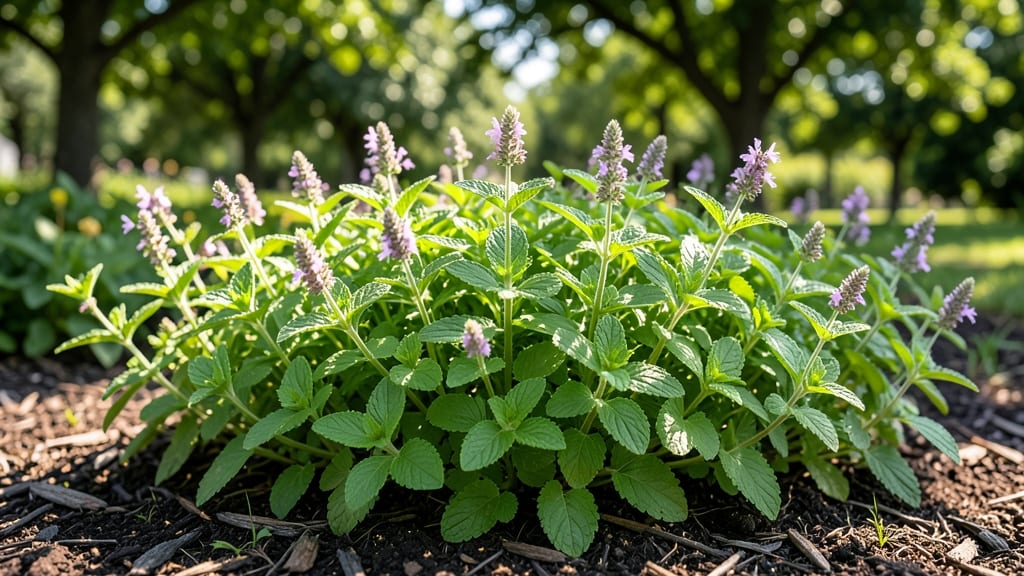
Growing mint-like plants from seeds unleashes a world of fragrant possibilities beyond just mint. 🌿 These fast-spreading herbs—like peppermint, spearmint, and catnip—thrive with minimal fuss, but their aggressive roots demand smart planning.
I’ve turned my shady corner into a productive herb patch using simple techniques that keep them contained while maximizing flavor and aroma.
The secret lies in moist, well-draining soil and partial shade, though most varieties tolerate full sun if kept consistently watered. Start seeds indoors 8–10 weeks before your last frost, or direct-sow in spring after soil warms to 50°F.
These plants grow 12–24 inches tall and spread rapidly, so container growing or root barriers are your best friends—unless you want mint everywhere.
By midsummer, you’ll harvest lush, bright green foliage perfect for teas, cocktails, or pest-repellent sprays. The key is regular pruning to encourage bushiness and prevent woody stems.
Just be warned: one plant can become 20 if left unchecked. With the right approach, these herbs reward you with year-round productivity—even in winter, if protected.
Whether you’re growing for culinary uses, medicinal benefits, or just the joy of fragrant foliage, these plants deliver. The challenge? Controlling their spread. I’ll show you how to harness their vigor without losing your garden to a mint takeover.
Root Causes Of Leggy Growth
If your mint-like plant is stretching tall and spindly instead of bushy and vibrant, it’s usually due to a mix of environmental and care-related factors. Understanding these triggers helps you adjust conditions to encourage compact, healthy growth. Let’s break down the science behind why this happens—and how to fix it.
Mint and its relatives are sun-loving plants, but too little light forces them to etiolate—a process where stems elongate rapidly to reach sunlight. This happens because:
- Chlorophyll production drops: Without enough light, plants can’t photosynthesize efficiently, leading to weak cell walls and elongated stems.
- Hormonal shifts: Low light triggers a surge in gibberellins, a plant hormone that promotes stem elongation while inhibiting leaf growth.
- Energy diversion: The plant prioritizes vertical growth over leaf development to maximize light capture, resulting in a "leggy" appearance.
Actionable fix: Move your plant to a spot with 4–6 hours of direct sunlight daily (or use a grow light for 12–14 hours if indoors). South- or west-facing windows are ideal for mint varieties.
While mint thrives in moist soil, excessive water or waterlogged roots can stunt growth and encourage legginess. Here’s why:
- Root suffocation: Compacted or soggy soil cuts off oxygen to roots, forcing the plant to grow upward in search of better conditions.
- Nutrient leaching: Overwatering washes away essential nutrients (like nitrogen and phosphorus), weakening the plant’s ability to produce sturdy stems.
- Fungal stress: Damp soil promotes Pythium or Phytophthora fungi, which attack roots and disrupt hormone balance, leading to erratic growth patterns.
Actionable fix:
- Use well-draining soil mixed with perlite or sand (aim for a 60/40 soil-to-amendment ratio).
- Water only when the top 1–2 inches of soil are dry (stick your finger in to check!).
- Ensure pots have drainage holes and elevate containers to prevent soggy roots.
Mint prefers moderate temperatures (60–75°F), but extreme heat or cold can disrupt its growth hormones, leading to leggy stems. The science:
- Heat shock: Temperatures above 85°F cause ethylene gas production, a hormone that triggers premature elongation and flower spikes (even in culinary varieties).
- Cold stress: Below 50°F, mint’s metabolic processes slow, and it may stretch to escape chilly conditions.
- Uneven heating: Drafts (e.g., near AC vents or heaters) create microclimates where one side of the plant grows faster than the other, causing lopsided legginess.
Actionable fix:
- Move plants to a consistent temperature zone (avoid windowsills with cold drafts or hot sunny spots).
- Use shade cloth (30–50%) during peak summer heat to protect leaves and stems.
- For container growers, use heat-resistant pots (like terracotta) to regulate soil temperature.
Mint spreads aggressively, and when roots become root-bound or overcrowded, the plant competes for resources, leading to weak, stretched growth. The mechanics:
- Limited nutrient access: Roots circling in small pots can’t absorb enough nitrogen or phosphorus, forcing the plant to prioritize height over foliage.
- Competition for light: Dense growth shades lower leaves, which then wither, and the plant stretches upward to escape self-shading.
- Hormonal signals: Root stress triggers abscisic acid, a hormone that can inhibit root growth and redirect energy to stem elongation.
Actionable fix:
- Repot every 6–12 months into containers 2–3 inches larger with fresh potting mix.
- Thin out overly dense clumps by dividing roots and replanting sections in separate pots.
- For garden beds, space plants 12–18 inches apart to reduce competition.
Pro tip: 💡 If your plant is already leggy, prune the top 2–3 inches of the longest stems to encourage bushier regrowth. This triggers lateral branching and helps the plant redirect energy to compact growth.
Quick Fixes for Failing Herbs
Reviving struggling mint-like plants isn’t rocket science—just a few targeted tweaks can turn wilted stems into lush, fragrant growth. Below, we’ve mapped common issues to simple solutions, plus pro tips to keep your herbs thriving long-term. Let’s get your garden back in shape!
Fix: Drainage is key—mint and its relatives hate soggy roots. Here’s how to rescue them:
- 🔥 Check the Soil Stick your finger 1–2 inches deep. If it’s damp (not bone-dry, not muddy), hold off on watering. If it’s a swamp, act fast.
- 👨🍳 Repot or Improve Drainage - For potted herbs: Move to a container with drainage holes. Add a layer of perlite or coarse sand to the bottom of the pot to prevent compaction. - For garden beds: Amend the soil with compost or sand to loosen it up.
Consider raised beds if your yard stays waterlogged.
- ⏰ Adjust Your Watering Routine Water only when the top inch of soil feels dry. In summer, this might mean every 2–3 days; in winter, stretch it to once a week. Pro tip: Water at the base (not overhead) to avoid fungal issues.
Prevention:
- Use well-draining potting mix (avoid heavy garden soil).
- Group herbs with similar water needs together (mint loves moisture, but not drowning).
Fix: Mint-like plants (like basil, oregano, or lemon balm) prefer bright, indirect light. Direct sun can scorch them.
- 🌡️ Move Them to a Lighter Spot
- Indoors: Place near an east-facing window or under a sheer curtain.
- Outdoors: Provide afternoon shade, especially in hot climates. A 50% shade cloth works wonders.
- 💡 Boost Humidity (If Needed) If leaves crisp or yellow, your air might be too dry. Mist leaves lightly in the morning or place a tray of water nearby.
Prevention:
- Start seedlings under grow lights (12–14 hours/day) before transplanting.
- Avoid placing pots on hot pavement or concrete—use saucers to insulate roots.
Fix: Nutrient deficiencies or poor light cause herbs to stretch or turn yellow. Here’s how to fix it:
- 📊 Diagnose the Problem
- Yellow lower leaves? Likely overwatering or poor drainage.
- **Yellow and pale new growth? Needs nitrogen (use a balanced fertilizer like 10-10-10).
- Purple stems or slow growth? Phosphorus or potassium deficiency (try a tomato feed).
- 🍽️ Feed Them Right
- For garden herbs: Top-dress with worm castings or a slow-release granular fertilizer.
- ✨ Prune for Bushiness Pinch back leggy stems to encourage branching. Snip just above a leaf node (where leaves meet the stem) to redirect energy.
Prevention:
- Rotate pots occasionally for even light exposure.
- Harvest regularly—this encourages dense growth and prevents bolting (going to seed).
Fix: Aphids, spider mites, or whiteflies can sap herbs’ vitality. Act fast!
- 🔪 Inspect & Isolate Check undersides of leaves for tiny bugs. Quarantine affected plants to stop the spread.
- 🌿 Natural Remedies First - Soapy water spray: Mix 1 tsp mild dish soap + 1 quart water. Spray leaves (avoid flowers). - Neem oil: Dilute 1 tbsp neem oil + 1 quart water + a drop of soap.
Spray every 5–7 days. - Beneficial insects: Release ladybugs or lacewings to eat pests naturally.
- 🚫 Severe Infestations? If bugs persist, try insecticidal soap or horticultural oil (follow label instructions).
Prevention:
- Encourage pollinators (like bees) to keep pests in check.
- Avoid over-fertilizing with nitrogen—it attracts soft-bodied pests.
Bonus Tip: 💡 Revive Wilted Herbs Fast** If your plant looks truly done for, try this emergency trick:
- Trim all brown/yellow leaves.
- Soak the roots in room-temperature water for 10 minutes (helps rehydrate).
- Repot in fresh, dry soil and water lightly. Place in bright, indirect light.
With these fixes, your mint-like herbs should bounce back in 2–4 weeks. Stay consistent with care, and you’ll be snipping fresh leaves for teas, sauces, and cocktails in no time!
Frequently asked questions
What are the easiest mint-like plants to grow for beginners?
Start with spearmint or peppermint—they're the most forgiving varieties. Both thrive in partial shade and adapt well to containers, which helps control their aggressive spread. Lemon balm is another great choice, offering a citrusy aroma perfect for teas and pest repellent sprays.
How do I prevent mint-like plants from taking over my garden?
Use root barriers (like buried plastic or metal sheets) to contain their spread, or grow them in hanging pots with drainage holes. For garden beds, plant them in isolated containers buried slightly below soil level. Divide and replant sections every 1-2 years to keep them manageable.
Can I grow mint-like plants indoors year-round?
Yes! Place them near a south-facing window (6+ hours of light) or use a grow light for 12-14 hours daily. Use well-draining pots with drainage holes and keep soil consistently moist. Catnip and basil are excellent indoor varieties that tolerate lower light better than pure mint.
What's the best way to harvest mint-like plants without killing them?
Always cut just above a leaf node (where leaves meet the stem) to encourage bushier growth. Harvest in the morning after dew dries, and never take more than 1/3 of the plant at once. For spearmint, regular pruning prevents flowering and keeps leaves tender and flavorful.
Are there any mint-like plants that don't spread as aggressively?
Yes! Pennyroyal and anise hyssop grow more slowly than traditional mint. For a non-invasive option, try basil or thyme, which have similar aromatic qualities but spread less. All these varieties still benefit from container growing to control their size.