
Planting
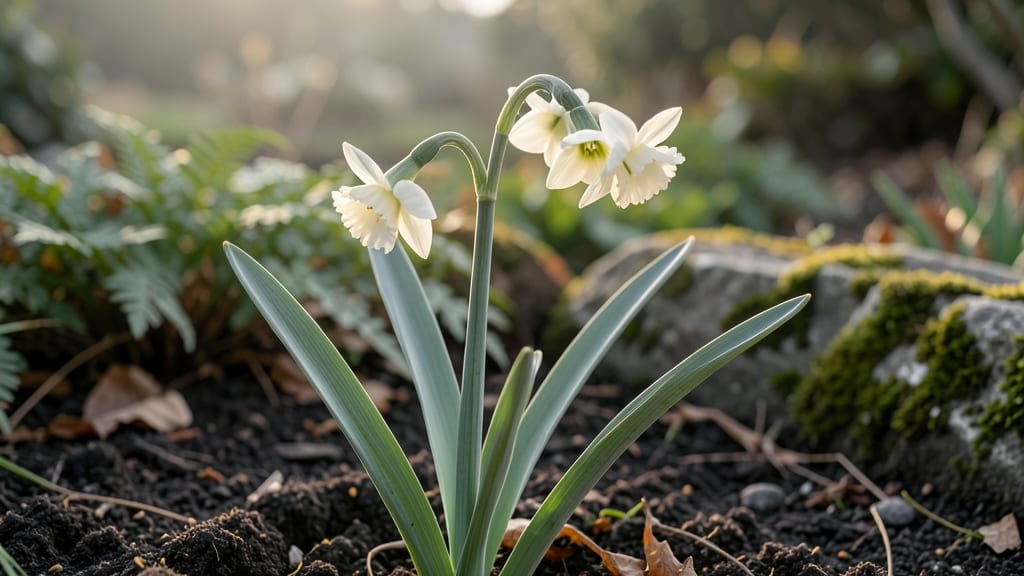
There's nothing like the heady perfume of Narcissus poeticus recurvus wafting through your spring garden. 🌷 This heirloom daffodil stands out with its nodding, fragrant blooms that perfume the air for weeks—unlike its upright cousins, its flowers bend gracefully toward the ground, creating a stunning visual and sensory experience.
The secret to growing these beauties lies in mimicking their natural woodland habitat. Plant them in well-draining soil with a touch of organic matter, and choose containers with drainage holes for those who garden in pots.
They thrive in partial shade, making them perfect for under trees or along shaded patios where other flowers struggle. Once established, they multiply reliably each year, forming dense clumps that bloom earlier and more prolifically than most daffodils.
The scent alone makes them worth growing—imagine walking past a border and being greeted by waves of honeyed fragrance that linger long after the flowers fade. For container gardeners, their compact size and long vase life make them ideal for patio displays.
Just be watchful for narcissus fly larvae, which can be deterred with a simple layer of gritty soil around the bulbs. With proper care, these fragrant stars will reward you with years of effortless blooms.
📚 In This Guide
- What you need
- Instructions
- Tips and common mistakes
- Wrapping up and next steps
What you need
- ● Narcissus poeticus recurvus bulbs: 5–10 bulbs (choose firm, plump bulbs with no soft spots or mold).
- ● Well-draining potting mix: 2–3 gallons (use a blend of 60% peat or coconut coir, 30% perlite or pumice, and 10% compost).
- ● Containers: 1–2 pots per bulb (minimum 6-inch diameter, with drainage holes). Terracotta or ceramic works best.
- ● Gravel or expanded clay pebbles: 1–2 inches (for drainage layer).
- ● Slow-release bulb fertilizer: 1–2 tbsp (look for a 10-10-10 or 5-10-10 NPK ratio).
- ● Watering can or spray bottle: With a gentle rose nozzle for hydration.
- ● Trowel or small shovel: For planting and mixing soil.
- ● Garden gloves: To protect hands while handling bulbs or soil.
- ○ Mulch (optional): 1 inch of pine bark or straw to retain moisture.
- ○ Epsom salt (optional): 1 tsp per gallon of water (for magnesium boost).
- ○ Decorative stones or moss (optional): For aesthetic container finishing.
- ○ Label markers (optional): To tag your containers with planting dates.
Step-by-step instructions for reviving Narcissus poeticus recurvus in containers
Here’s how I bring these fragrant beauties back to life—no green thumb required.
🪴 Step 1: Choose the Right Containers and Drainage
Use 6-8 inch deep pots with drainage holes—narcissus roots need air, and soggy soil leads to rot. I prefer terracotta because it breathes, but plastic works if you drill extra holes. Place a layer of ½ inch gravel or pebbles at the bottom to prevent clogging while still letting water flow freely.
If your pot has only one small hole, add a second one on the opposite side. This ensures excess water escapes quickly, which is critical for these bulbs. I always test drainage by filling the pot with water—if it drains in under 10 minutes, you’re good to go.
🌱 Step 2: Plant Bulbs at the Correct Depth and Spacing
Dig a hole twice as deep as the bulb’s height—for most Narcissus Poeticus Recurvus, that’s about 6 inches deep. Place the bulb with the pointed end up (yes, it matters). If you’re planting multiple bulbs, space them 3-4 inches apart—crowding leads to weak stems and fewer blooms.
Cover the bulb with soil, but don’t pack it down. You want the mix to stay loose so roots can push through easily. I tap the pot gently on the table to settle the soil without compacting it. Leave the top of the bulb slightly exposed—this prevents rot and ensures the stem can emerge later.
☀️ Step 3: Provide Bright Light and Cool Temperatures
Narcissus Poeticus Recurvus thrives in full sun to partial shade, but they need a cool period to bloom properly. Place your containers in a spot that gets 6+ hours of morning sun but afternoon shade during hot summers. If your patio gets scorching afternoon rays, move them to a shaded area after 10 AM.
During dormancy (late summer to fall), keep them in a spot where temperatures stay between 50-60°F. A garage with natural light or a covered porch works well. If your climate stays warm year-round, you’ll need to simulate dormancy by reducing water and moving them to a cooler spot.
💧 Step 4: Water Strategically Through the Seasons
Water sparingly until you see green shoots—usually in early spring. Then, keep the soil evenly moist but not soggy. I check moisture by sticking my finger 1 inch into the soil—if it’s dry, it’s time to water. Overwatering is the fastest way to kill these bulbs, so let the top inch dry out between waterings.
Once blooms fade, reduce watering dramatically. Let the soil dry out completely between waterings, and stop fertilizing. This mimics their natural dormancy period and ensures strong blooms next season. I often move pots to a drier spot under a tree or in a shed during dormancy to encourage rest.
✂️ Step 5: Deadhead and Prepare for Next Season
After blooms fade, snip the spent flower stalk at the base with clean scissors. This redirects the plant’s energy to the bulb instead of seed production. Leave the leaves alone—they photosynthesize and store nutrients for next year’s blooms. Only remove yellowed or dead leaves in late summer.
In late summer or early fall, reduce watering to once every 2-3 weeks. This helps the bulb enter dormancy naturally. If you notice new shoots in late summer, trim them back—you want the bulb to focus on storing energy, not growing foliage. By October, your bulbs should be fully dormant and ready for another cycle.
Tips & tricks for reviving Narcissus poeticus recurvus
Between us, these fragrant blooms are forgiving but need a few key tricks to thrive in containers. Here's what nobody tells you—
Drainage is everything: That 10-minute drainage test isn't just a suggestion—it's non-negotiable. I've learned the hard way that even "water-loving" bulbs like these will rot if water pools at the bottom. For containers without holes, create a false bottom using a plastic mesh bag filled with gravel. This mimics proper drainage while keeping your soil in place. The goal is to let excess water escape within that 10-minute window, no exceptions.
Bulb positioning matters more than you think: When planting at twice the bulb's height (about 6 inches), resist the urge to bury them completely. Leave that top slightly exposed—this prevents rot while allowing the stem to emerge naturally. I've seen beginners cover the entire bulb, and within weeks, the top turns mushy. Think of it like planting a potato—you want the "eyes" (top) visible to sprout properly.
Light management is seasonal: Those 6+ hours of morning sun are crucial, but afternoon shade becomes equally important during summer's peak. I've noticed my bulbs actually produce more blooms when they get bright morning light but escape the midday heat. If you're in a hot climate, consider using a sheer curtain to filter the sun during the hottest hours—this prevents leaf scorch while still providing the light they need.
Watering psychology: The "finger test" (checking moisture 1 inch down) is your best friend, but there's a trick to it. Press your finger in—if the soil feels like a damp sponge (not wet), it's ready for water. I've trained myself to water only when I see that specific texture, and it's made all the difference. Overwatering is the silent killer here, so when in doubt, wait another day.
Pro Tips for Narcissus Poeticus Recurvus
- Between us, these fragrant blooms are forgiving but need a few key tricks to thrive in containers.
- Drainage is everything: That 10-minute drainage test isn't just a suggestion—it's non-negotiable.
- Bulb positioning matters more than you think: When planting at twice the bulb's height (about 6 inches), resist the urge to bury them completely.
Frequently asked questions
about Narcissus poeticus recurvus—the fragrant, container-friendly gem! Here’s what gardeners often wonder:How do I know if my Narcissus poeticus recurvus is truly recurvus?
The recurvus variety has downward-facing flowers (unlike upright types). Look for petals that arch gracefully toward the ground, often with a delicate, almost weeping shape. If yours stands straight, it might be a different cultivar—like N. poeticus ‘Actaea’.
When is the best time to plant bulbs for spring blooms?
Plant bulbs in fall (October–November) in cooler climates or winter (December–January) in mild zones. Aim for 6–8 weeks before the ground freezes—this lets roots establish before dormancy. Avoid spring planting; bulbs need cold stratification to bloom!
Can I grow N. poeticus recurvus in shallow containers?
Yes! Use containers at least 8–10 inches deep with drainage holes. Shallow pots risk bulb rot, but deeper ones (with extra potting mix) work well. Add sand or perlite to improve drainage—these bulbs hate soggy feet!
Why aren’t my bulbs blooming after 2 years?
Common culprits: not enough sunlight (6+ hours/day), overcrowded bulbs, or poor drainage. Dig up and separate bulbs if they’re clustered, and ensure they’re in well-draining soil. Patience helps—some bulbs take 3–4 years to peak!
Are there fragrant alternatives to N. poeticus recurvus?
Try:
- Narcissus ‘Ice Follies’ (white, double blooms, strong scent)
- Narcissus ‘Geranium’ (pink, cup-shaped, sweet fragrance)
- Narcissus tazetta ‘Paper White’ (classic, highly fragrant)
Wrapping up and next steps
Narcissus poeticus recurvus isn’t just a plant—it’s a fragrant, elegant statement for your container garden! 🌸 With its delicate blooms and intoxicating scent, this poetic beauty thrives with the right care, whether you’re a seasoned gardener or just starting. Remember, patience and consistency are key, but the reward—a burst of spring color—is well worth the effort.
Ready to bring this charm to your space? Start small: grab a pot, gather your supplies, and give it a try! Share your progress or blooms with fellow gardeners—you might inspire others to join the Narcissus poeticus recurvus revival too. Happy planting! 🌱