
Planting
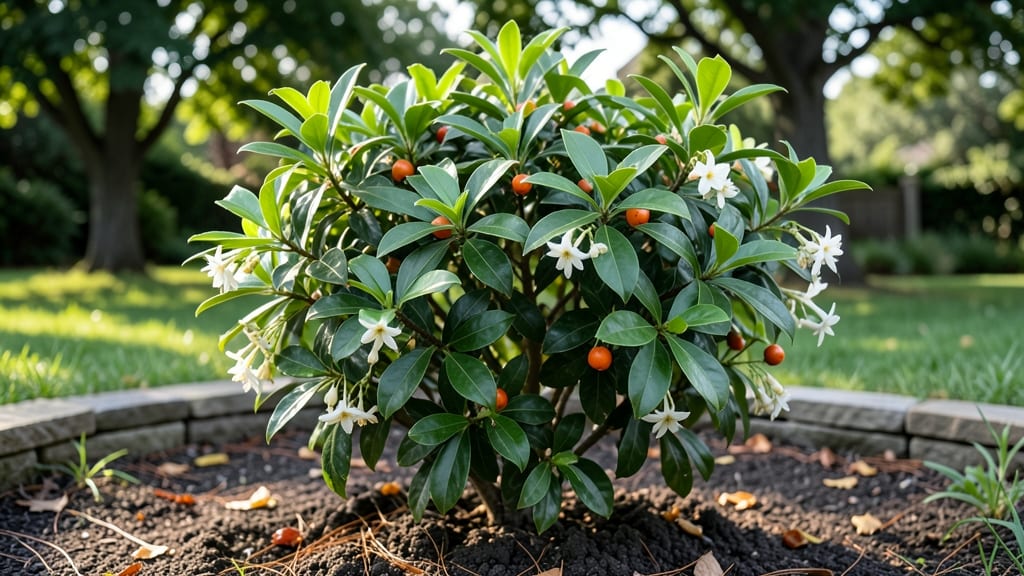
Orange jasmine plant care turns your garden into a fragrant paradise with its sweet citrusy blooms that perfume the air for months. 🌿 I’ve grown mine for five years, and the secret to its year-round beauty lies in mimicking its tropical roots—bright light, balanced moisture, and just enough pruning to keep it lush.
Most people overwater or underfeed it, which leads to sparse blooms or leaf drop, but once you get the rhythm right, it rewards you with nonstop fragrance from spring through fall.
The plant thrives in full sun to partial shade, needing at least 6 hours of direct light daily—morning sun is ideal to prevent scorching.
Well-draining soil is critical; a mix of 60% potting soil, 30% perlite, and 10% compost works wonders, and containers with drainage holes prevent root rot. Water when the top 1-2 inches of soil feel dry, but avoid soggy roots—this is where most care mistakes happen.
A balanced 10-10-10 fertilizer applied every 6-8 weeks during growing season keeps blooms abundant.
Pruning isn’t just about shaping—it’s about encouraging more flowers. Trim back leggy growth after blooming to promote bushier growth, and never cut into old wood (the plant won’t regrow from there).
With the right care, your orange jasmine will burst into glossy green leaves and clusters of fragrant white flowers that attract hummingbirds and fill your space with a tropical escape all year. The best part? It’s drought-tolerant once established, making it a low-maintenance star for any garden.
For colder climates, bring potted plants indoors before 35°F temperatures—they’ll survive in bright rooms with 50% humidity. If you notice yellow leaves, it’s usually overwatering; brown edges mean underwatering or too much sun.
With these tweaks, your orange jasmine will stay vibrant, fragrant, and full of life for decades.
📚 In This Guide
- What you need
- Instructions
- Tips and common mistakes
- Wrapping up and next steps
What you need
- ● Orange jasmine plant: 1 nursery-grown plant (3–6 feet tall) or 3–5 seeds (if starting from scratch). Pro tip: 💡 Seeds take longer to germinate (4–8 weeks), so cuttings or young plants are faster for blooms!
- ● Well-draining potting mix: 1 bag (1–2 cubic feet) of cactus/succulent blend or a mix of 60% peat moss, 30% perlite, and 10% sand.
- ○ Container (if potted): 1–2 15–20 gallon pots with drainage holes (terracotta or ceramic preferred). Optional: 🌡️ Add a grow bag for outdoor planting.
- ● Fertilizer: 1 balanced liquid fertilizer (10-10-10 or 20-20-20), 1 tbsp per gallon of water.
- ● Slow-release granules: 1 cup (for potted plants) or 2 lbs (for in-ground planting).
- ● Pruning shears: 1 pair bypass pruners (sterilized with rubbing alcohol).
- ● Mulch: 1 bag organic mulch (pine bark or shredded leaves) to retain moisture.
- ● Soil moisture meter: To check root health without overwatering.
- ● Support stake: 1–2 6-foot bamboo stakes (if training as a vine or small tree).
- ● Humidifier or pebble tray: For dry climates to boost humidity.
- ● Plant food: 1 bottle citrus-specific fertilizer (boosts fragrant blooms!).
- ● Sunlight: A full-sun to partial-shade spot (6+ hours of sunlight daily).
- ● Climate: USDA Zones 9–11 (or indoor growing in cooler zones).
- ● Water source: Hose with soft spray nozzle or watering can.
- ● Patience: 🎯 Orange jasmine grows 1–2 feet per year—blooms may take 1–2 years!
Step-by-step guide to cultivating thriving orange jasmine
Here's how to coax those signature golden blossoms all year—once you nail these essentials.
🌱 Step 1: Select the Perfect Planting Spot
Orange jasmine (Murraya paniculata) thrives in full sun to partial shade, with at least 6-8 hours of direct sunlight daily for optimal flowering. I always choose a location with morning sun and afternoon shade in hot climates—this prevents leaf scorch while maintaining bloom production. The plant tolerates heat and humidity beautifully, making it ideal for USDA zones 9-11.
Check your site's drainage first. Orange jasmine hates soggy roots, so amend heavy clay soil with 3-4 inches of compost or plant in raised beds. You'll know you've picked the right spot when new growth appears within 2-3 weeks of planting, and the plant starts putting out those signature fragrant yellow blossoms by mid-summer.
☀️ Step 2: Master Watering for Consistent Blooms
Water deeply once a week during the growing season, allowing the top 2-3 inches of soil to dry out between waterings. I use the "finger test"—stick your index finger into the soil; if it feels dry at that depth, it's time to water. Overwatering causes root rot, while underwatering stresses the plant and reduces flowering. In containers, you may need to water every 4-5 days depending on pot size and climate.
Reduce watering significantly in winter when growth slows. The plant can go 3-4 weeks between waterings during dormancy, but keep an eye out for leaf drop—a sign it's thirsty. Mulch with 2-3 inches of organic mulch (like shredded bark) to retain moisture and regulate soil temperature, which encourages more abundant blooms.
✂️ Step 3: Prune Strategically for Bushier Growth
Prune orange jasmine twice a year—once after flowering in late spring and again in early summer to shape the plant. Use clean, sharp pruners to make cuts just above a leaf node at a 45-degree angle. This encourages branching and more abundant blooms next season. Never cut into old wood, as it won't regrow.
Here's the thing—if you skip pruning, your plant will grow leggy and sparse. I always look for new growth in late spring as my cue to start shaping. After pruning, give the plant a balanced fertilizer (10-10-10) to support recovery and encourage new flower buds. You'll see fresh, vibrant growth within 4-6 weeks if you've pruned at the right time.
🪴 Step 4: Fertilize for Vibrant, Fragrant Blooms
Feed orange jasmine with a balanced, slow-release fertilizer (like 10-10-10) in early spring, just as new growth begins. I apply about ½ cup per mature plant and water it in well. This gives the plant the nutrients it needs for strong stems and abundant blooms. Avoid high-nitrogen fertilizers—they promote leafy growth at the expense of flowers.
In late summer, switch to a low-nitrogen, high-phosphorus fertilizer (like 5-10-10) to encourage fall blooming. You'll notice a difference in flower production within 6-8 weeks of applying the right fertilizer. Always follow the package instructions for application rates, and avoid fertilizing in winter when the plant is dormant.
⏰ Step 5: Protect Against Pests and Diseases
Orange jasmine is generally pest-resistant, but watch for scale insects or whiteflies, which can weaken the plant. I treat infestations early with neem oil or insecticidal soap, applying it in the evening to avoid harming beneficial insects. Always spray the undersides of leaves, where pests love to hide. Repeat treatments every 7-10 days until the pests are gone.
Fungal diseases like powdery mildew can occur in humid conditions. To prevent this, ensure good air circulation around the plant and avoid overhead watering. If you see white, powdery spots on the leaves, remove the affected foliage immediately and treat with a fungicide (like copper fungicide) as a last resort. Healthy orange jasmine should have glossy, dark green leaves with no signs of discoloration or spots.
Tips & tricks for perfect orange jasmine cultivation
Here's what nobody tells you about keeping your orange jasmine thriving—and blooming like crazy.
Sunlight Strategy: Those 6-8 hours of daily sunlight are non-negotiable for blooms, but here's the secret: position your plant where it gets morning sun and afternoon shade in hot climates. I've seen plants in full afternoon sun develop leaf scorch within weeks—yellowing edges that never recover. If you're in a particularly hot zone, a sheer curtain can provide that afternoon shade without blocking all light. The goal is to maintain that vibrant green foliage while encouraging those fragrant yellow blossoms.
Pruning Precision: When you're pruning twice a year, pay attention to those 45-degree angles—this isn't just aesthetic, it's about how the plant heals. I learned this the hard way after making straight cuts that left water pooling at the base, leading to rot. After pruning, always clean your tools with rubbing alcohol to prevent spreading any potential diseases between cuts. And here's a pro move: remove any suckers or water sprouts that grow from the base or trunk—they drain energy from your flowering branches.
Fertilizer Timing: That ½ cup of balanced fertilizer in early spring is your plant's wake-up call, but timing matters more than you'd think. Apply it when you see the first signs of new growth—usually when those tiny leaf buds start to swell. I've seen gardeners apply too early when the plant is still dormant, which just gets washed away. For container plants, you might need to fertilize every 6-8 weeks during growing season since nutrients leach out faster in pots. And remember, more isn't better—over-fertilizing can actually reduce flowering.
Pest Prevention: When treating those scale insects or whiteflies, don't forget to check the undersides of leaves where they love to hide. I've caught infestations early by running my fingers along the stems—if you feel sticky residue, that's a sure sign of sap-sucking pests. For severe cases, you might need two rounds of treatment spaced 7-10 days apart. And here's a bonus tip: keep beneficial insects like ladybugs around—they're natural predators of whiteflies and will help keep populations in check without chemicals.
Pro Tips for Orange Jasmine Plant Care
- Here's what nobody tells you about keeping your orange jasmine thriving—and blooming like crazy.
- Sunlight Strategy: Those 6-8 hours of daily sunlight are non-negotiable for blooms, but here's the secret: position your plant where it gets morning sun and afternoon shade in hot climates.
- Pruning Precision: When you're pruning twice a year, pay attention to those 45-degree angles—this isn't just aesthetic, it's about how the plant heals.
Frequently asked questions
Got questions about keeping your orange jasmine thriving?
Here are answers to the most common ones—so you can enjoy its sweet fragrance all year long!
How often should I water my orange jasmine plant?
Water your orange jasmine when the top 1–2 inches of soil feel dry. Typically, this means watering every 5–7 days in warm weather, but reduce to every 10–14 days in winter. Overwatering is a common issue—always ensure well-draining soil to prevent root rot.
Can orange jasmine survive indoors year-round?
Yes! With the right care, orange jasmine thrives indoors. Place it near a bright, sunny window (south or west-facing is ideal) and supplement with a grow light in winter. Keep humidity moderate (40–60%) and avoid cold drafts. Prune lightly to encourage bushiness.
Why are the leaves turning yellow or dropping?
Yellowing leaves usually signal overwatering or poor drainage, while dropping leaves often mean low humidity or underwatering. Check soil moisture, improve drainage, and mist leaves occasionally. If pests like spider mites are present, wipe leaves with soapy water or use neem oil.
Is orange jasmine toxic to pets?
Nope! Orange jasmine (Murraya paniculata) is non-toxic to cats and dogs, making it a pet-friendly choice. However, always monitor your pet’s reaction—some animals may still avoid it due to its strong scent.
When is the best time to prune orange jasmine?
Prune your orange jasmine right after flowering (late spring to early summer) to shape it and encourage new growth. Light trimming can also be done in early spring to remove dead or overcrowded branches. Use clean, sharp shears and avoid heavy pruning—this plant blooms on old wood!
Wrapping up and next steps
Caring for your orange jasmine plant is a rewarding journey that brings fragrant blooms and lush greenery into your space year-round! 🌿 With the right balance of sunlight, water, and occasional pruning, you’ll enjoy its sweet scent and vibrant beauty for seasons to come.
The key is patience—watch your plant thrive as it adapts to your care.
Ready to take the next step? Experiment with companion plants or share your newfound knowledge with fellow plant lovers! Whether you’re a beginner or a seasoned gardener, your orange jasmine will thank you with stunning, fragrant blooms that brighten every day. Happy growing! 🌸