
Planting
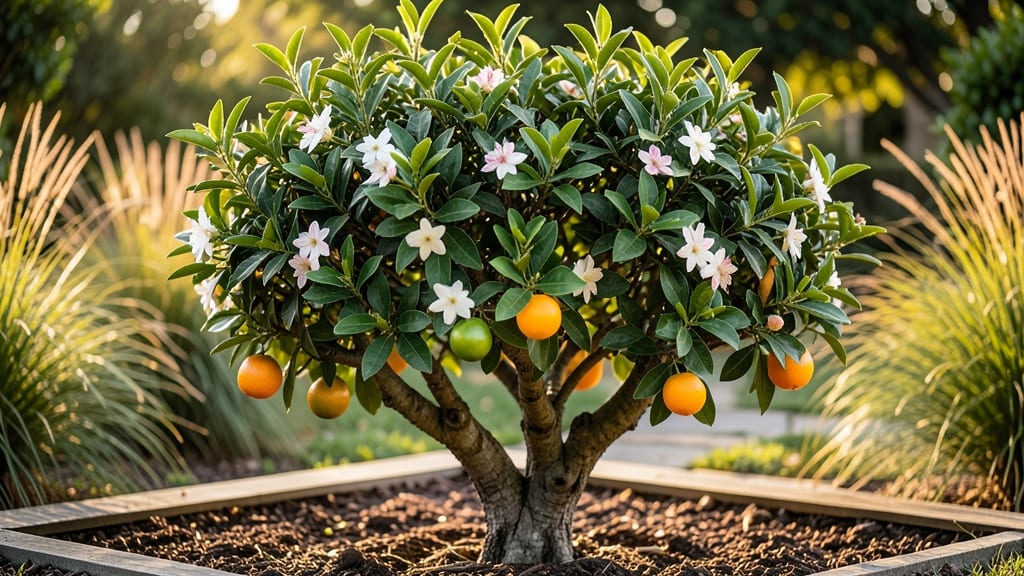
Growing plants with orange flowers isn’t just about brightening your garden—it’s about filling the air with intoxicating fragrance and attracting pollinators in a way few other blooms can. 🌼 I’ve cultivated everything from hardy marigolds to delicate orange jasmine, and the secret to their success lies in understanding their unique needs: sun-hungry bougainvillea, moisture-loving orange lilies, and well-draining soil for citrus-scented varieties.
The payoff? A garden that bursts with color and scent, season after season.
Start with the right conditions: most orange-flowering plants thrive in full sun (6+ hours daily) and soil that drains quickly but retains moisture—think sandy loam amended with compost. Spacing matters too; marigolds can crowd out bougainvillea, while orange jasmine needs room to sprawl.
Plant in spring after the last frost (or fall in warmer climates) for the best root establishment. The key is matching the plant’s natural habitat: Mediterranean bougainvillea hates soggy roots, while tropical orange lilies appreciate humidity.
Care is where the magic happens—or falls apart. Water deeply but infrequently (let the top inch dry between waterings), and fertilize lightly with a balanced 10-10-10 formula in spring and summer. Prune spent blooms to encourage more flowers, but avoid heavy pruning in fall unless you’re in a frost-prone zone.
Watch for pests like aphids on new growth (a strong spray of water usually does the trick) and fungal spots if leaves stay wet. With these basics, you’ll go from bare soil to a fragrant, buzzing orange oasis by midsummer.
Pro tip: Pair orange flowers with complementary colors (think purple salvia or silver foliage) to make them pop, and deadhead regularly to extend the blooming season. Whether you’re growing in pots, beds, or hanging baskets, these plants deliver year-round interest—even the foliage often has striking hues.
Stick with me, and I’ll walk you through the exact steps to turn your space into a sun-drenched haven of orange blooms.
📚 In This Guide
- What you need
- Instructions
- Tips and common mistakes
- Wrapping up and next steps
What you need
- ● Seeds or nursery plant: 1-3 Citrus × aurantium (bitter orange) or Murraya paniculata (orange jasmine) seeds (or a young plant if starting from scratch). Pro tip: 💡 Seeds may take 3–6 months to sprout—patience is key!
- ● Well-draining potting mix: 1 bag (1–2 cubic feet) of cactus/succulent mix (or add perlite/coarse sand to regular soil for drainage).
- ● Pot or container: 1–2 5–7 inch pots (with drainage holes) or a 1-gallon container for mature plants.
- ● Fertilizer: 1 bottle of balanced liquid fertilizer (10-10-10 or 20-20-20) or citrus-specific granules.
- ● Pruning shears: 1 pair (for shaping and harvesting blooms).
- ○ Spray bottle: For misting seedlings (optional but helpful in dry climates).
- ● Grow lights: 1–2 LED grow bulbs (if indoors with <10 hours of sunlight/day).
- ○ Mulch (gravel or bark): To retain moisture and regulate soil temp (optional for outdoor plants).
- ● Humidity tray: A shallow tray with pebbles and water (boosts humidity for seedlings).
- ● Support stake: 1 3–4 foot bamboo stake (for taller varieties like orange jasmine).
How to grow vibrant orange flowers from seed
Here's how I grow fragrant orange blossoms—bright, bold, and full of life—using simple techniques anyone can master.
🌱 Step 1: Select and Prepare Your Orange Blossom Seeds
Orange blossom seeds come from citrus trees like bitter orange (Citrus aurantium) or sweet orange (Citrus sinensis). I prefer bitter orange because it's hardier and more fragrant. Soak seeds in warm water for 12-24 hours before planting—they have a thick outer coating that slows germination. You'll see the seed coat soften slightly and the seed swell a bit, signaling it's ready.
After soaking, pat the seeds dry with a paper towel. Planting damp seeds can lead to rot before they even sprout. Use small seed-starting trays or individual pots to avoid overcrowding—each seed needs its own space to grow strong. The reason for this is simple: citrus seedlings are sensitive to root competition, and crowded plants often develop weak stems.
🪴 Step 2: Plant in Well-Draining Soil and Provide Warmth
Fill your containers with a light, well-draining potting mix—citrus hates soggy roots. I blend my own mix using 50% potting soil, 30% perlite, and 20% coarse sand to ensure excellent drainage. Plant seeds ½ inch deep, pressing lightly but not firmly. The soil should feel like a damp sponge, not muddy or waterlogged.
Place the trays in a warm spot, ideally 70-80°F, to encourage germination. A seedling heat mat works wonders here—it keeps the soil consistently warm without needing constant monitoring. You'll see the first sprouts in 2-4 weeks, though some seeds can take up to 6 weeks if your home runs cooler. Patience is key; don’t rush the process by overwatering or moving the trays too soon.
☀️ Step 3: Provide Bright, Indirect Light and Gradual Transitions
Once seedlings emerge, move them to a bright, indirect light spot immediately. A south-facing window is ideal, but direct midday sun can scorch tender young leaves. If your seedlings start stretching toward the light with long, thin stems, they’re not getting enough intensity. This is called "legginess," and it’s a sign to adjust their position or supplement with a grow light kept 4-6 inches above the plants.
After 4-6 weeks, when seedlings have 3-4 true leaves, it’s time to transplant them into slightly larger pots. I use 4-inch pots for the first move, then upgrade to 6-inch pots after another month. The goal is to give roots room to grow without overwhelming the plant. Water deeply after transplanting to help settle the soil around the roots—you’ll know it’s right when water runs out the drainage holes without pooling.
💧 Step 4: Establish a Watering Routine and Fertilize Gently
Citrus plants are drought-tolerant once established, but young seedlings need consistent moisture. Water when the top inch of soil feels dry—stick your finger in the soil to check. Overwatering is the biggest mistake here; it leads to root rot, which can kill seedlings overnight. I water mine in the morning so the soil has time to dry out slightly before evening.
Start fertilizing lightly after 8 weeks with a balanced, water-soluble fertilizer diluted to half strength. Too much fertilizer too soon burns young roots. I use a 10-10-10 mix every 4-6 weeks during the growing season (spring and summer). You’ll notice new growth and darker green leaves within a few applications—this is your signal that the plant is thriving.
⏰ Step 5: Transition to Outdoor Conditions and Prune for Blooms
After the last frost and when nights stay above 50°F, it’s time to acclimate your seedlings to outdoor conditions. Start by placing them outside in a shaded, sheltered spot for 2-3 hours the first day, then gradually increase their time outside over 1-2 weeks. This process, called "hardening off," helps them adjust to wind, sun, and temperature fluctuations without shock.
Once outdoors, keep your orange blossom plants in partial shade for the first month to prevent leaf scorch. After they’ve adjusted, move them to full sun for 6-8 hours daily. Prune leggy growth or overcrowded branches to encourage bushier, more compact growth. You’ll see the first fragrant orange blossoms in 1-2 years, depending on the variety and growing conditions. The key is consistency—keep the soil moist, the light bright, and the patience steady.
Tips & tricks for growing fragrant orange blossoms
Citrus seedlings demand patience and precision—but these tricks will help you avoid common pitfalls and nurture plants that thrive from seed to bloom.
Soaking Strategy: The 12-24 hour soak isn't just about softening the seed coat—it's about breaking dormancy. Use warm water (around 70°F) and change it after 12 hours to prevent bacterial growth. You'll know it's working when the seed coat develops a slight wrinkle and the seed feels noticeably heavier. This preparation step is what separates successful germination from disappointment.
Lighting Secret: When your seedlings first emerge, place them under a grow light on a timer (14-16 hours daily) if natural light is insufficient. The 4-6 inch distance mentioned is critical—any closer and you risk burning delicate leaves, any farther and they'll stretch toward the light. I've seen seedlings go from leggy to compact in just 3 days by adjusting this setup.
Transplanting Technique: The 4-6 week transplant window is your chance to inspect roots without disturbing them too much. Gently squeeze the sides of the pot—if roots are circling tightly, it's time to move up. When repotting, bury the stem slightly deeper than before to provide stability. This buried stem technique actually encourages stronger root development in citrus plants.
Outdoor Transition: Don't rush the hardening-off process. The 2-3 hour initial exposure should feel like a gentle introduction—your plants should look slightly wilted afterward, which is normal. Gradually increase time outside by 1 hour daily until they're ready for full sun. I've seen plants shocked by sudden exposure develop leaf scorch within hours, so this gradual approach is non-negotiable.
Pro Tips for Plant Orange Flower
- Citrus seedlings demand patience and precision—but these tricks will help you avoid common pitfalls and nurture plants that thrive from seed to bloom.
- Soaking Strategy: The 12-24 hour soak isn't just about softening the seed coat—it's about breaking dormancy.
- Lighting Secret: When your seedlings first emerge, place them under a grow light on a timer (14-16 hours daily) if natural light is insufficient.
Frequently asked questions
Got questions about growing your own plant orange flower? You’re not alone! Here are some of the most common queries—plus straightforward answers to help you cultivate fragrant blooms like a pro.
How long does it take for an orange flower plant to bloom from seed?
Patience is key! Most orange blossom varieties (like Citrus × aurantium) take 2–5 years to flower from seed, depending on growing conditions. Start with grafted nursery plants for faster blooms (often 1–2 years). Pro tip: Ensure full sun (6+ hours/day) and well-draining soil to speed up the process.
Can I grow an orange flower plant indoors?
Yes, but with caveats. Orange blossoms thrive outdoors in warm climates (USDA zones 9–11), but you can try container growing indoors near a south-facing window or under grow lights. Use a 12–14 hour daylight cycle and a humidity tray to mimic tropical conditions. Expect slower growth and fewer blooms than outdoor plants. Warning: Avoid drafts or sudden temperature drops!
Why isn’t my orange flower plant blooming?
No flowers? Check these common culprits:
- Age: Young plants (under 3 years) focus on foliage first.
- Light: Insufficient sun (they need full sun!).
- Nutrients: Over-fertilizing with nitrogen (promotes leaves, not blooms). Switch to a low-nitrogen, high-phosphorus fertilizer in spring.
- Stress: Overwatering or root-bound pots can delay blooming.
Are orange flower plants the same as citrus trees?
Not exactly! While orange blossom plants (Citrus × aurantium) are citrus relatives, they’re non-bearing (no edible fruit). True citrus trees (like Citrus sinensis for sweet oranges) produce fruit but may have fewer fragrant flowers. Orange blossoms are prized for their intense, sweet scent—perfect for perfumes, teas, or garnishes!
What are some cold-hardy alternatives to orange blossoms?
If your climate is too chilly for orange blossoms (below zone 8), try these fragrant, cold-tolerant flowers:
- Mock Orange (Philadelphus): Hardy to zone 4, with intoxicatingly sweet blooms.
- Jasmine (Jasminum): Thrives in zones 7–10; train on a trellis for climbing vines.
- Gardenia (Gardenia jasminoides): Prefers zones 8–11 but can be grown in containers and brought indoors in winter.
- Freesia (Freesia): Cold-sensitive but blooms prolifically in spring (great for cut flowers!).
Wrapping up and next steps
Growing your own plant orange flower is a rewarding journey that fills your space with fragrant beauty and natural charm. Whether you're drawn to the delicate blossoms of the Citrus × aurantium or the bold appeal of Marigold, these vibrant blooms are well worth the effort.
With the right care and patience, you’ll soon be enjoying their citrusy aroma and stunning colors—perfect for gardens, containers, or even gifting!
Ready to take the next step? Start with healthy seeds or cuttings, follow the care tips you’ve learned, and watch your garden transform! Happy planting—your fragrant orange flowers are waiting to bloom! 🌸🌿