
Planting
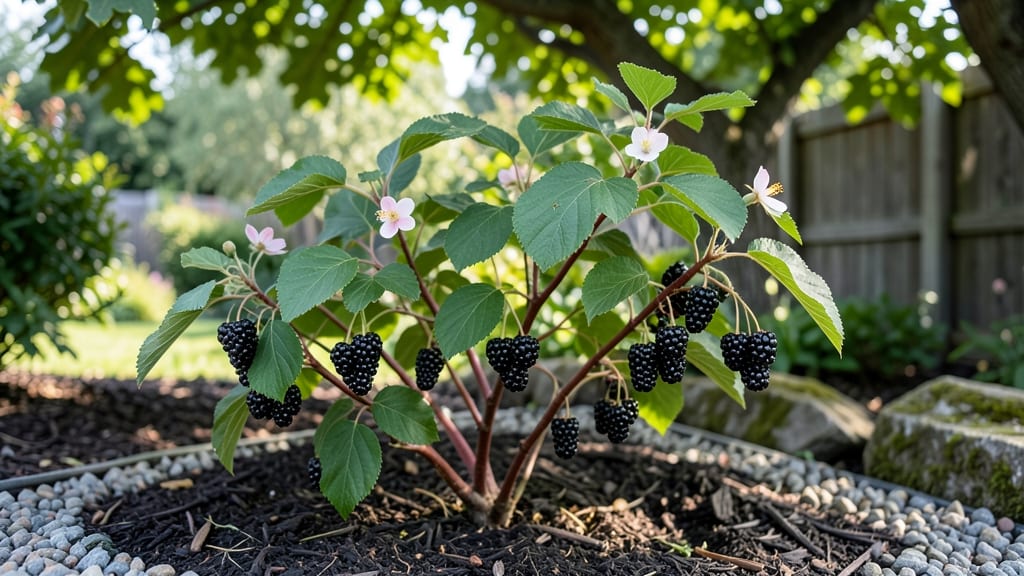
Navajo blackberry thrives where most berries fail—dry climates and poor soil. 🌵 I planted mine in a rocky, sunbaked corner last spring, and now it produces sweet, thornless berries twice a year with almost no effort.
The secret lies in its deep roots and drought tolerance, but even it needs a few basics to truly shine.
Start with well-draining soil—even rocky ground works if amended with compost. These berries hate soggy roots, so raised beds or slopes are ideal. Full sun is non-negotiable, but they’ll tolerate partial shade in extreme heat.
Water deeply once a week after establishment; less is better once roots are deep. Mulch heavily to lock in moisture and keep weeds at bay.
Pruning is where the magic happens. Cut back dead or crossing canes in late winter, and thin out older growth to encourage new, fruitful shoots. The berries ripen in 60-70 days, and with proper care, you’ll get two harvests per season.
The flavor? Richer than store-bought, with a hint of vanilla—no wonder they’re called "desert gold."
Propagation is easy: take hardwood cuttings in winter or layer canes in spring. They spread aggressively but stay manageable with a little pruning. Perfect for arid gardens, containers, or even as a living fence.
Once established, they’re nearly self-sufficient—just watch for spider mites in dry spells and treat with neem oil if needed.
📚 In This Guide
- What you need
- Instructions
- Tips and common mistakes
- Wrapping up and next steps
What you need
- ● Navajo blackberry plants: 1-3 bare-root or potted plants (choose disease-resistant varieties if possible).
- ● Well-draining soil: 2-3 cubic yards of a mix of sandy loam and compost (pH 5.5-6.5).
- ● Mulch: 2-3 inches of straw or wood chips (organic, weed-free).
- ● Drip irrigation or soaker hose: 50-100 feet (adjust based on garden size).
- ● Fertilizer: Balanced 10-10-10 or organic options like alfalfa meal (1 lb per plant).
- ● Gardening gloves: 1 pair (heavy-duty for prickly stems!).
- ● Trowel or shovel: 1 medium-sized for planting.
- ● Pruning shears: 1 pair (sterilized with rubbing alcohol).
- ● Measuring tape: 1 (for spacing plants 5-6 feet apart).
- ● Trellis or wire fence: 6-8 feet tall (for support—blackberries love to climb!).
- ● Epsom salt: 1 tablespoon per plant (boosts magnesium for lush growth).
- ● Compost tea: 1 gallon (for a nutrient-rich soil boost).
- ● Bird netting: 1 roll (to protect ripening berries from critters).
- ● Soil test kit: 1 (to check pH and nutrient levels before planting).
Step-by-Step guide to planting and caring for Navajo blackberry
Here's how to establish a low-maintenance, drought-tolerant Navajo blackberry that thrives with minimal fuss.
🌱 Step 1: Choose the Perfect Planting Spot
The Navajo blackberry loves sun but handles heat better than most varieties. Pick a location with at least 6 hours of direct sunlight daily, preferably in a spot with afternoon shade if you live in a very hot climate. This variety tolerates poor soil better than most blackberries, but it still needs good drainage—avoid low spots where water pools.
I always check the soil first by digging a small hole and filling it with water. If it drains within an hour, the site's ready. If not, amend the area with a few inches of compost or coarse sand to improve drainage. The roots will spread aggressively, so give them room—plant at least 6 feet away from fences or property lines.
🌿 Step 2: Plant Your Navajo Blackberry Correctly
Spring is the best time to plant, but you can also do it in early fall in mild climates. Dig a hole twice as wide as the root ball but no deeper—Navajo blackberries hate having their crown buried too deep. Gently loosen the roots if they're circling in the container, then place the plant so the top of the root ball sits just above soil level.
Fill the hole with native soil (no need for fancy amendments unless your soil is extremely poor) and water deeply to settle everything. The key here is to avoid disturbing the roots—this plant establishes quickly but struggles if mishandled. I like to add a 2-inch layer of mulch around the base (but not touching the stem) to conserve moisture and keep weeds down.
☀️ Step 3: Water Smartly for Drought Tolerance
Navajo blackberries are drought-resistant once established, but young plants need consistent moisture. Water deeply once a week for the first month, then taper to every 10-14 days once new growth appears. The goal is to encourage deep root development—light, frequent watering creates shallow roots that struggle in dry spells.
You'll know you're watering right when the soil feels damp 6 inches down after watering. If the top inch dries out between waterings, that's fine—it's the deeper moisture that matters. Once the plant is two years old, you can reduce watering to once every 3-4 weeks unless your area experiences extreme drought.
✂️ Step 4: Prune for Health and Productivity
Pruning Navajo blackberries is easier than most varieties because they're naturally thornless and less aggressive. In late winter or early spring, remove any dead or weak canes completely. Then, select the strongest 6-8 canes and prune them back to 12-18 inches tall—this encourages bushier growth and better fruiting.
During the growing season, I remove any suckers (shoots growing from the base) that aren't part of your main canes. These compete with your fruit-bearing canes for energy. After harvest, cut back all canes that produced fruit—they're done for the season. This keeps the plant manageable and improves next year's yield.
🌱 Step 5: Maintain Through the Seasons
Navajo blackberries are low-maintenance, but a little attention goes a long way. In early spring, add a 2-inch layer of mulch around the base (keeping it away from the stem) to protect roots from temperature swings. This variety handles heat well but appreciates some shade during the hottest afternoons in summer.
Fertilize lightly in early spring with a balanced, slow-release fertilizer (10-10-10 works well). I skip heavy feeding—Navajo blackberries produce well even in lean soil. Watch for pests like spider mites (common in dry conditions), and treat with a strong spray of water if you see webbing. With minimal care, you'll get sweet, flavorful berries with far less work than traditional blackberries.
Tips & tricks for thriving Navajo blackberry plants
Between us, these simple tricks will help your Navajo blackberry grow stronger and produce more berries with almost no extra effort.
Soil Test First: Before planting, I always do a quick soil test by digging a small hole and filling it with water. If it drains within an hour, you're good to go. If not, mix in 2-3 inches of compost or coarse sand to improve drainage—this variety hates soggy roots. The 6 hours of sunlight requirement is non-negotiable, but don't stress about perfect soil. Navajo blackberries are tough enough to handle less-than-ideal conditions.
Planting Depth Matters: When you're planting in Step 2, make sure the top of the root ball sits just above soil level—never bury the crown. I've seen beginners plant too deep, which causes the plant to suffocate. Also, avoid disturbing the roots when loosening them from the container. The less you handle them, the better they'll establish. That 2-inch layer of mulch around the base (not touching the stem) is your secret weapon for moisture retention.
Watering Wisdom: The key to drought tolerance is deep watering. After the initial once-a-week schedule for the first month, let the soil dry out between waterings—just check that it stays damp 6 inches down. Once established, you can stretch watering to every 3-4 weeks unless your area is experiencing extreme drought. Overwatering is worse than underwatering for these tough plants.
Pruning Pro Tips: In Step 4, when you're selecting those 6-8 strongest canes, look for ones that are straight and healthy. Cut them back to 12-18 inches tall—this might seem drastic, but it encourages bushier growth. During the growing season, remove any suckers that aren't part of your main canes. These little volunteers steal energy from your fruit-bearing canes. After harvest, cut back all fruited canes completely—they're done for the season.
Pro Tips for Navajo Blackberry Plant
- Between us, these simple tricks will help your Navajo blackberry grow stronger and produce more berries with almost no extra effort.
- Soil Test First: Before planting, I always do a quick soil test by digging a small hole and filling it with water.
- Planting Depth Matters: When you're planting in Step 2, make sure the top of the root ball sits just above soil level—never bury the crown.
Frequently asked questions
Got questions about growing Navajo blackberry plants? You’re not alone!
Here are some of the most common queries—plus straightforward answers to help you cultivate this drought-tolerant beauty with confidence.
How long does it take for Navajo blackberry plants to bear fruit?
The first fruits typically appear within 1–2 years after planting, depending on climate and care. Patience pays off—young plants focus on root and bush growth before fruiting. In arid regions like the Southwest, expect a slightly delayed but longer harvest window once established.
Can I grow Navajo blackberries in containers, or do they need a garden bed?
Yes! These berries thrive in large containers (at least 15–20 gallons) with drainage holes. Use well-draining soil and a trellis to support vines. Just ensure the pot gets full sun (6+ hours/day) and water deeply 2–3 times per week during dry spells. Pro tip: Move containers indoors or to a garage in winter if temps drop below 10°F.
Why aren’t my Navajo blackberry leaves turning red like they’re supposed to?
Red foliage fades in hot summers or low light. For vibrant colors:
- Plant in full sun (6+ hours daily).
- Water deeply but infrequently (drought stress intensifies red hues!).
- Avoid over-fertilizing—too much nitrogen = lush green leaves.
Are Navajo blackberries self-pollinating, or do I need to plant multiple bushes?
They’re partially self-pollinating, but planting 2–3 bushes ensures better fruit set. Bees and wind help, but in isolated areas, hand-pollinate with a soft brush to transfer pollen between flowers. Bonus: The berries are edible but tart—great for jams or wildlife!
How do I prune Navajo blackberries to encourage more fruit?
Prune in late winter/early spring (before new growth):
- Remove dead or diseased canes first.
- Cut back 1/3 of the oldest canes to the ground to rejuvenate growth.
- Thin crowded vines for airflow—aim for 3–5 healthy canes per plant.
What’s the best alternative if I can’t grow Navajo blackberries?
Try these drought-tolerant, low-maintenance berry alternatives:
- Arctic Kiwi (Actinidia arguta) – Hardy, cold-resistant, and produces sweet berries.
- Evergreen Blackberry (Rubus laciniatus) – Thrives in heat and produces year-round.
- Jostaberry – A hybrid of gooseberry and black currant, great for cold climates.
Wrapping up and next steps
The Navajo blackberry plant is a resilient, low-maintenance gem perfect for gardeners in arid climates! 🌵 With its drought tolerance and minimal care needs, it’s an easy win for both beginners and seasoned growers.
Whether you're aiming for lush foliage, delicious berries, or a touch of desert charm, this plant delivers—without the fuss.
Ready to give it a try? Start by gathering your supplies, picking a sunny spot, and planting with confidence. Your future self (and your garden!) will thank you. Happy growing! 🌱