
Planting
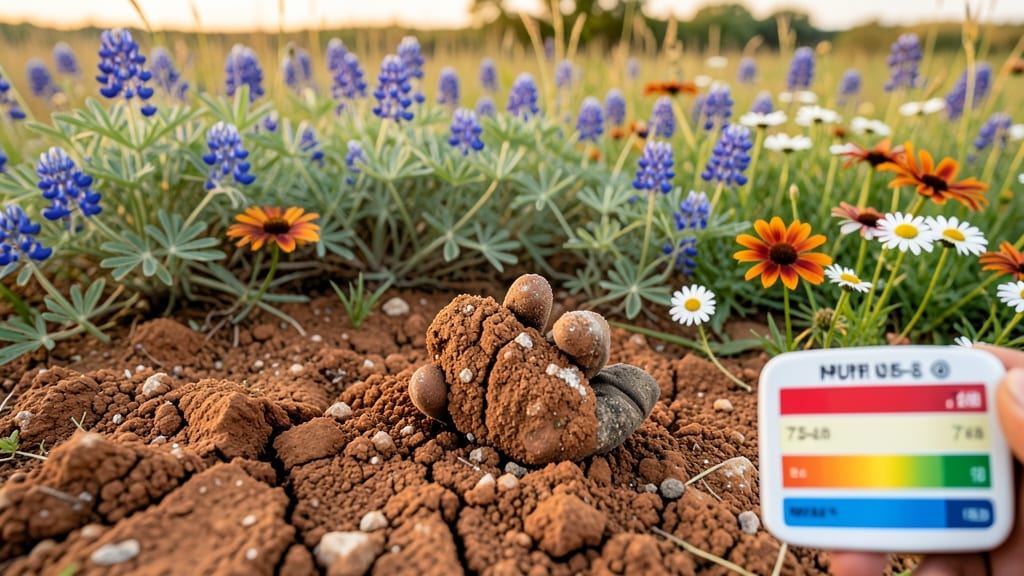
North Texas soil can feel like a double-edged sword—rich in nutrients one minute, impenetrable clay the next. 🌱 I’ve spent years wrestling with this stubborn earth, and the secret isn’t fighting it but working with its quirks to create a garden that thrives despite the heat and drought.
The key? Smart amendments, drought-tolerant plants, and a few unexpected tricks that turn heavy clay into fertile ground.
Most folks here make one big mistake: over-amending with fresh compost, which actually makes clay worse by sealing out air and water. Instead, we focus on breaking up compaction with gypsum or coarse sand, then layering in organic matter slowly.
My go-to mix? A 50-50 blend of native compost and expanded shale, which improves drainage without suffocating roots. Local soil tests (available through Texas A&M) reveal your exact needs—don’t guess!
What you’ll end up with is a garden that stays lush even in 100°F heat and requires half the water of a typical lawn. Native plants like blackfoot daisies, Texas sage, and buffalo grass become your secret weapons—they love this soil and ask for almost nothing.
The payoff? Less work, more blooms, and a yard that finally stays green when others wilt.
This works for raised beds, in-ground plots, or even container gardens—just scale the amendments. The real magic happens in spring and fall, when the soil is workable but not baked. Ready to turn your clay struggles into a thriving oasis? Let’s get started with the right approach.
📚 In This Guide
- What you need
- Instructions
- Tips and common mistakes
- Wrapping up and next steps
What you need
- ● Soil amendments: Compost (2–3 inches spread evenly over garden beds)
- ● Organic matter (e.g., leaf mold, well-rotted manure, or peat moss—1–2 cubic yards per 100 sq. ft.)
- ● Gypsum (10–20 lbs per 100 sq. ft. if soil is clay-heavy)
- ● Testing supplies: pH test kit (to check soil acidity/alkalinity—ideal range: 6.2–7.5 for most plants)
- ○ Moisture meter (optional but helpful for drought-prone areas)
- ● Tools: Garden fork or tiller (for aerating and mixing amendments)
- ● Garden gloves (heavy-duty, chemical-resistant if using lime/sulfur)
- ● Wheelbarrow (for hauling soil and amendments)
- ● Rake (bow rake for leveling, leaf rake for debris)
- ● Mulch (2–4 inches of shredded bark, straw, or pine needles to retain moisture)
- ● Slow-release fertilizer (e.g., 10-10-10 or compost-based blend—follow package rates)
- ● Drip irrigation kit (for water efficiency in North Texas heat)
- ● Soil microbes/beneficial fungi (e.g., Mycorrhizal inoculants for native plants)
- ● 🌡️ Timing matters: Amend soil in early spring or fall to avoid disturbing roots during peak heat.
- ● ✨ Clay soil hack: Mix in sand (coarse, not fine) if drainage is poor—but test first!
- ● 💡 Native plants = less work: Pair amendments with drought-resistant species like Texas sage or buffalo grass.
Instructions: climate-smart planting for North Texas soil
Here's how to work with our local clay-heavy soil for gardens that thrive despite the heat and drought.
🌱 Step 1: Test and Amend Your Existing Soil
North Texas soil is naturally clay-heavy, which drains poorly and bakes hard in summer. Grab a handful of moist soil and squeeze it—if it forms a tight ball that cracks when dropped, you've got classic clay. The fix starts with amending rather than replacing: spread 2-4 inches of compost over garden beds and work it into the top 6 inches of soil using a broadfork.
For vegetable beds, I mix in 1 part compost to 3 parts native soil—this improves drainage while keeping the root zone cool. Avoid tilling when soil is dry; clay compacts easily, and you'll undo all your work. Instead, water first, then gently loosen the top layer with a fork. You'll know you're on track when the soil holds moisture without becoming soggy and roots can spread freely.
💧 Step 2: Build Raised Beds for Optimal Drainage
For high-value plants like tomatoes or peppers, raised beds solve our biggest challenge—poor drainage. Use untreated wood or cinder blocks to create beds 12-18 inches deep, filling them with a 50/50 mix of native soil and compost. This layering prevents compaction while maintaining the benefits of our local soil structure.
Place beds where they'll get at least 6 hours of sun daily—most of North Texas qualifies as full sun even in summer. Water deeply 2-3 times per week until the top 6 inches of soil feels consistently moist. The key here is deep watering: a quick sprinkle encourages shallow roots that struggle in our heat. Use a moisture meter if you're unsure—aim for 40-50% moisture at 6-inch depth.
☀️ Step 3: Choose Drought-Tolerant Plants for Long-Term Success
Native Texas plants like blackfoot daisy, salvia, and Turk's cap thrive in our soil with minimal intervention. For vegetables, opt for heat-tolerant varieties like 'Heatmaster' tomatoes or 'Early Girl' peppers—these handle our 90°F+ summers better than traditional types. When planting, dig holes twice as wide as the root ball to encourage outward growth rather than deep rooting.
Mulch heavily with 2-3 inches of wood chips or straw to retain moisture and cool roots. I like to refresh mulch every 3-4 months as it breaks down. Watch for yellowing leaves—this often signals either overwatering (common in clay) or underwatering. Feel the soil before reacting: if it's damp 1 inch below the surface, hold off on watering.
✂️ Step 4: Maintain Soil Health Through Seasonal Care
After harvest, top-dress beds with 1-2 inches of compost in early fall. This replenishes nutrients lost during the growing season and prepares soil for next year. In late winter, add a 1-inch layer of compost tea (brewed from compost steeped in water for 2 weeks) to boost microbial activity—our clay soil benefits from this extra microbial support.
Every 2-3 years, consider a deep soil rebuild: remove the top 6 inches of old soil and replace it with fresh compost-amended mix. This prevents nutrient depletion and improves structure. You'll notice plants requiring less frequent watering and showing darker green leaves—signs of healthier soil biology.
Tips & tricks for perfect North Texas soil gardens
Working with our local clay-heavy soil can feel like fighting an uphill battle—but these tricks turn challenges into opportunities for thriving gardens.
Soil Texture Test: The squeeze test in Step 1 is your best friend. If your soil forms a tight ball that cracks when dropped, you're dealing with classic clay. For a more precise test, try the ribbon test: roll a moist soil sample between your fingers. If it forms a ribbon longer than 1 inch, it's too clay-heavy—this confirms why amending with compost is essential. The goal is a ribbon that breaks at about ½ inch, indicating improved structure.
Compost Quality Matters: Not all compost works equally well in our soil. Look for dark, crumbly compost with no large chunks or weeds. I've learned the hard way that cheap bagged compost often contains too much wood fiber, which can actually worsen drainage. For vegetable beds, I source my compost from local gardeners or make my own—it's worth the effort to see plants thrive with that perfect 1:3 compost-to-soil ratio.
Raised Bed Construction: When building those 12-18 inch deep raised beds, don't skimp on the bottom layer. Line the base with cardboard to suppress weeds and prevent grass from growing up into your beds. For the sides, untreated wood lasts longest, but if you use cinder blocks, add landscape fabric along the inner edges to prevent soil from leaking out. The 50/50 mix of native soil and compost should be fluffed like a cake batter—light and airy—for optimal root growth.
Watering Wisdom: That 2-3 times per week watering schedule works best when you water deeply—think 1-1½ inches per session. I use a rain gauge to track this because our clay soil can fool you into thinking plants need more water than they actually do. The key is consistent moisture at the 6-inch depth, not surface-level dampness. Early morning watering (before 9am) minimizes evaporation and fungal issues that plague our hot summers.
Pro Tips for North Texas Soil
- Working with our local clay-heavy soil can feel like fighting an uphill battle—but these tricks turn challenges into ...
- Soil Texture Test: The squeeze test in Step 1 is your best friend. If your soil forms a tight ball that cracks when d...
- Compost Quality Matters: Not all compost works equally well in our soil. Look for dark, crumbly compost with no large...
Frequently asked questions
Got questions about working with North Texas soil? You’re not alone! Whether you're a seasoned gardener or just starting out, understanding the unique challenges and opportunities of this region’s soil can make all the difference. Here are some of the most common questions—and their answers—to help you grow with confidence.
What makes North Texas soil different from other regions?
North Texas soil is typically clay-heavy with a mix of loam and sand, depending on your location. It drains poorly when wet and can become rock-hard when dry. The alkaline pH (often 7.5–8.5) also means some plants thrive, while others struggle without amendments like compost or sulfur. Plus, our hot summers and variable rainfall demand soil that retains moisture without drowning roots.
How can I improve drainage in my North Texas garden?
Amending clay soil is key! Start by mixing in 2–3 inches of organic matter (compost, aged manure, or peat moss) into the top 6–12 inches of soil. For raised beds, blend in coarse sand or perlite (up to 20% of the mix) to break up compaction. Pro tip: Avoid tilling when soil is wet—it worsens compaction. Instead, water deeply, let it dry, then loosen with a broadfork.
When is the best time to plant in North Texas soil?
Timing depends on your plants! For cool-season crops (like lettuce, spinach, or broccoli), plant in early fall (September–October) or late winter (February) to avoid summer heat. Warm-season plants (tomatoes, peppers, squash) love spring (March–April) after the last frost (usually mid-March). Perennials (like roses or herbs) should go in early spring or fall for best root establishment.
Can I grow vegetables in North Texas soil without amending it?
Yes, but with limitations! Native plants like black-eyed Susans, yucca, or buffalo grass adapt well to unamended soil. For vegetables, container gardening is a game-changer—fill pots with a 50/50 mix of potting soil and compost to control drainage and nutrients. If planting in-ground, focus on heavy feeders (like sweet potatoes or okra) that tolerate clay, but expect lower yields for picky crops (e.g., blueberries, which need acidic soil).
Why do my plants keep dying in North Texas soil?
Common culprits include poor drainage (roots suffocate), nutrient deficiencies (alkaline soil locks out iron/manganese), or pests/diseases thriving in compacted soil. Troubleshoot: Check for yellowing leaves (iron deficiency? Add chelated iron). Mushrooms popping up? Your soil’s too wet—improve drainage ASAP. Test your soil (via local extensions like Texas A&M) for a custom fix!
Wrapping up and next steps
Understanding North Texas soil and its unique climate challenges is your first step toward a lush, resilient garden! 🌱 From testing soil pH to choosing drought-tolerant plants, every effort you make today builds a healthier tomorrow.
Don’t let the heat or hardpan soil hold you back—your green thumb can turn these conditions into opportunities.
Ready to take action? Start small:
- Test your soil this week—knowledge is power!
- Amend just one bed with compost or mulch to see the difference.
- Join a local gardening group for tips and inspiration.